Why Sham Deals Are Easily Detected
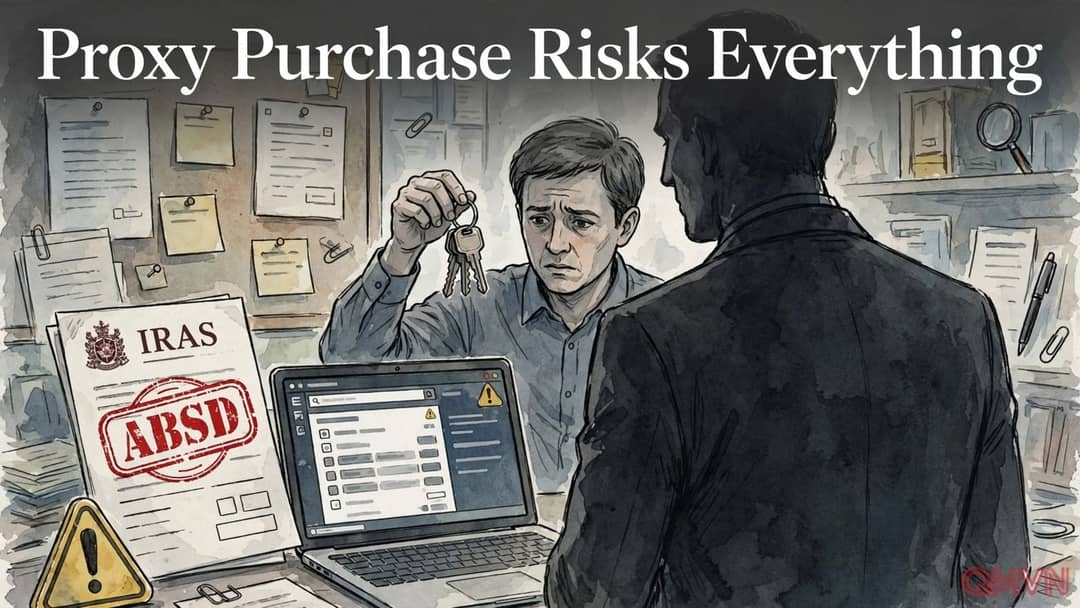
All records of property transactions in Singapore have to be filed online, therefore sham transactions are easily detected. According to Singapore Law Watch and Condos and Commercial Spaces, if a first-timer with no property count buys home first, then shortly afterwards sells 1 percent interest to someone with higher ABSD profile such as spouse or parent who already owns property, that second person becomes co-owner but pays ABSD only on 1 percent share rather than full price. IRAS classifies this staggered two-step arrangement as tax avoidance under Stamp Duties Act. It is abnormal for two transactions to take place for a single property within short time unless owners are scheming to avoid ABSD.
Associate Professor Stephen Phua of National University of Singapore's law faculty says all transactions after ABSD was introduced in 2011 can be looked at because there is no time bar to such audits. If you have made use of such arrangements to avoid paying ABSD, the question is not whether you will be audited but rather when you will be audited, says professor who has served on tax appeal tribunals for more than three decades.
99-to-1 Trust For Kids And Traps Once Popular
Before law change in May 2022, many families in Singapore used trust to put extra properties under kids' name as no Additional Buyer's Stamp Duty ABSD would be levied on such transaction. According to The Straits Times, buying property under legal trust for kids so you can dodge hefty tax bill was crafty bit of financial footwork until a year ago but it can turn into costly own goal, as two parents discovered, they ended up losing their properties.