MAIN CONTENT
Different strengths, intertwined economies
The United States and China compete with different assets. The US benefits from deep capital markets, sophisticated chip design and influential AI developers. China combines industrial scale, a dense supplier network and the ability to commercialize hardware quickly. Leadership in laboratories does not automatically confer leadership over factories capable of producing millions of devices.
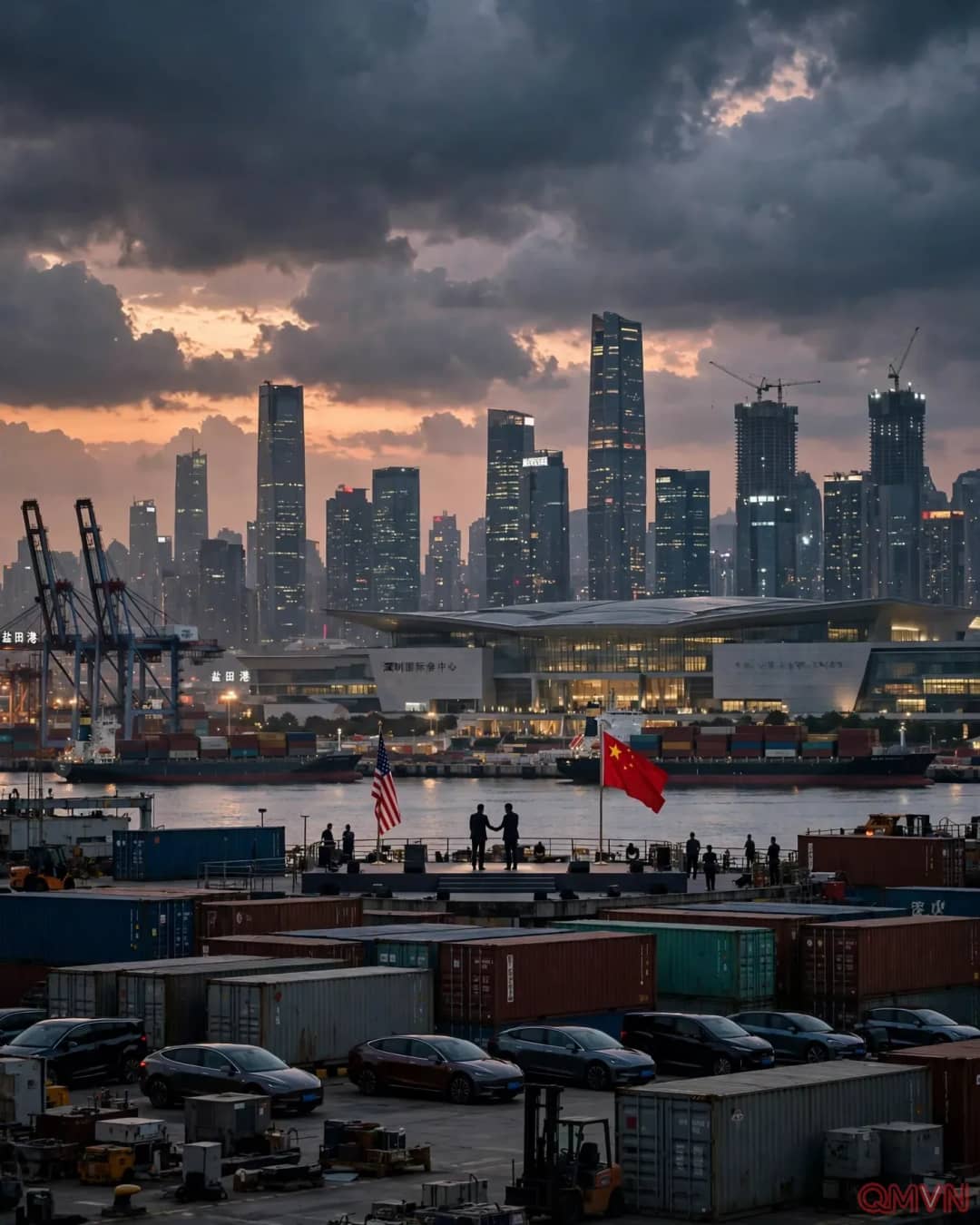
Interdependence complicates confrontation. American companies rely on international customers and components, while Chinese manufacturers still need certain foreign equipment, software and markets. Negotiations in Shenzhen consequently affect American farmers, Asian engineers and consumers in countries that have no seat at the table.
AP reports that China’s merchandise trade surplus has crossed $1 trillion this year, while the US goods deficit remains enormous. Those figures reflect contrasting economic models, but neither alone measures the overall health, resilience or prospects of either economy.
Rare earths and soybeans test credibility
The Trump administration wants China to fulfill previous commitments on American agricultural purchases and loosen constraints on rare-earth exports. Soybeans matter directly to farmers’ incomes.