MAIN CONTENT
A deadline that leaves little room for delay
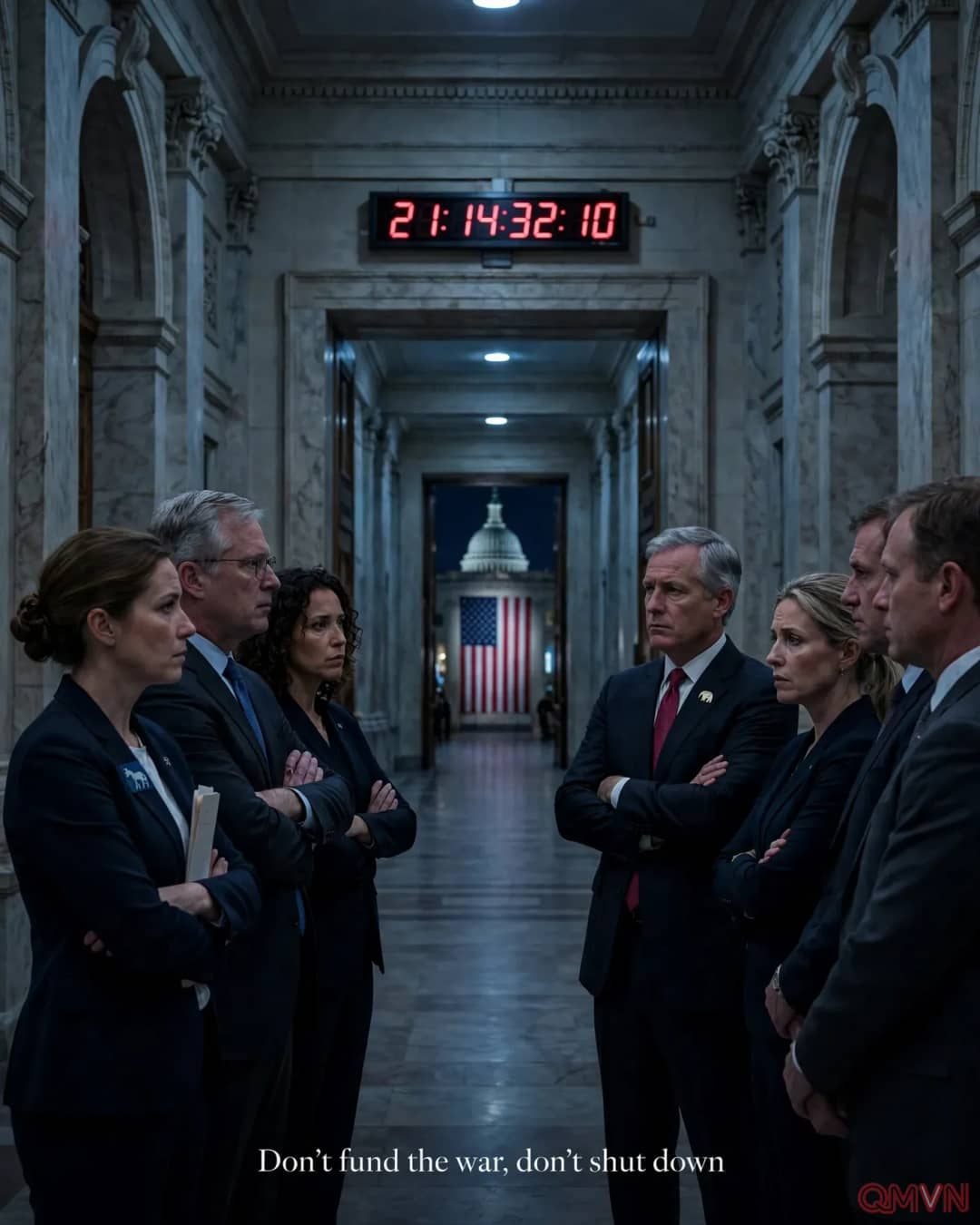
Current appropriations expire after December 11. Congress is preparing for a Thanksgiving recess, compressing the calendar for a deal into a handful of legislative days. Reuters reported on November 20 that leaders in both parties were weighing a temporary extension into early 2027, alongside the possibility of completing some of the 12 annual spending bills. None of these options is assured. A shutdown would interrupt parts of federal operations whose appropriations lapse, although its precise effects would depend on which agencies remain funded and which services are legally exempt.
The Senate's usual 60-vote threshold for advancing a bipartisan measure makes compromise essential under the current balance of power. Republicans will still govern the chamber until the new Congress begins in January, but the looming transfer of control changes incentives on both sides. Some lawmakers want to settle as much as possible now; others prefer a shorter bridge that shifts difficult choices to the next legislature. A stopgap may prevent an immediate disruption without resolving the underlying argument.
War policy becomes a budget bargaining question
Democrats are not united on whether to condition agency funding on restrictions against President Trump's military campaign in Iran. Senator Peter Welch described the dilemma to Reuters as wanting neither to finance the war nor to shut down the government.