MAIN STORY
One table, three visions of world order
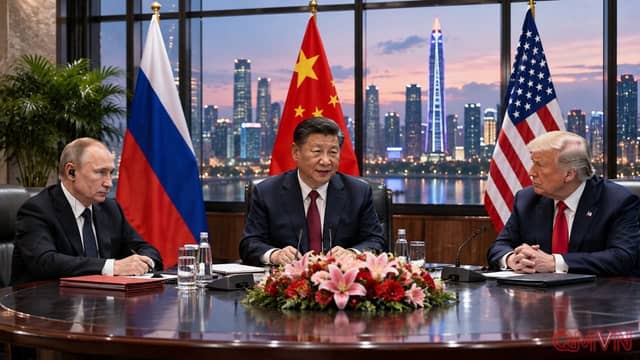
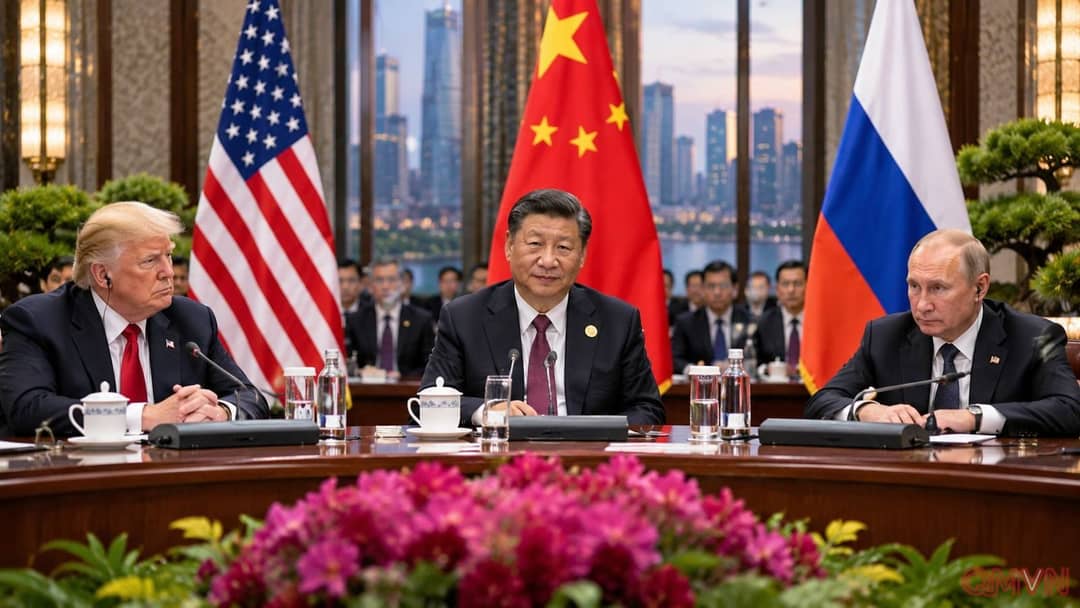
The encounter took place during the November 18–19 APEC leaders’ gathering in Shenzhen. Hosting offered China an opportunity to place itself at the centre of an unprecedented conversation among three major geopolitical actors. Diplomatic choreography mattered: the image of the leaders seated together was powerful. But a shared stage should not be mistaken for agreement on security principles or the balance of power.
Trump stressed the responsibility of major nuclear-armed states to limit the danger that such weapons could be used. Xi presented cooperation among major powers as a safeguard against instability. Putin invoked the countries’ shared World War II history and responsibilities for international security. Their language converged on peace, but their national priorities, strategic calculations and interpretations of international law remain far apart.
The three-way talks also overshadowed the economic agenda of APEC, a grouping intended to promote Asia-Pacific trade and cooperation. That contrast reveals a challenge for the region: diplomacy involving the most powerful states is important, but it must not eclipse the interests of the other participating economies.