MAIN ARTICLE
An independent inquiry is not a guilty verdict
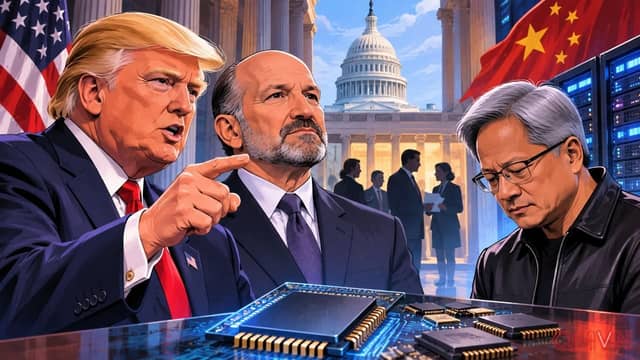
On November 8, Nvidia’s board announced an independent investigation supervised by a committee of independent directors and assisted by outside legal counsel. That structure is intended to put some distance between the examination and management, whose conduct and controls may be relevant to shareholders. The company said Huang fully supported the process and would cooperate with investigators.
The trigger was New York Times reporting about a Chinese businesswoman described as close to Huang and suspected by US intelligence officials of providing information to the Chinese government. Those assertions remain allegations rather than established findings. Being targeted by an intelligence operation is not the same as knowingly participating in espionage. Crucially, Nvidia has not identified a confirmed loss of corporate secrets or a breach of national security.
The story moved again on November 9 when Trump said he had spoken with Huang, who told him he had not known the woman was allegedly involved in spying. Trump said he believed Huang. Reuters also reported the president saying the FBI was looking into the matter. His confidence in the executive is a political statement, not a substitute for the company’s review or any official investigative conclusion.