MAIN ARTICLE
A blockade reaches beyond port entrances
In its updated advisory, CENTCOM said a ship taking cargo from a blockade-covered vessel that had loaded in an Iranian port or along the coast could itself be regarded as trying to evade the restrictions. The declared enforcement options include stopping, boarding, diverting and seizing vessels. The command also warned of action against ships refusing lawful orders. Those statements set out the American enforcement position; they do not establish that every offshore cargo transfer is unlawful under international law.
Maritime trade rarely follows a single straight line. Cargoes can change vessels, intermediaries, documentation and intended destinations. Insurers, shipowners, port authorities and buyers may each see a different part of the transaction. Monitoring that chain is more difficult than intercepting a tanker leaving an identifiable terminal. Shipping companies consequently confront uncertainty over compliance, insurance coverage, crew safety and the possibility of being caught in an armed encounter far from shore.
One oil transfer, many unanswered questions
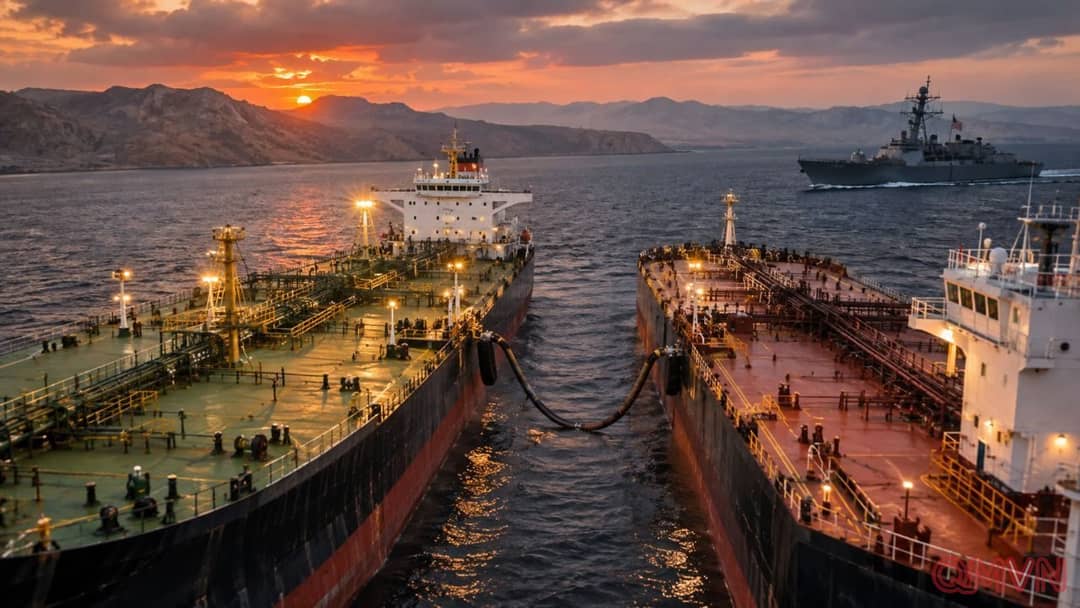
Reuters reported on November 19, citing TankerTrackers.com, that a tanker was receiving Iranian crude from another vessel in the Gulf. If the shipment ultimately reaches its destination, it could become the first successful maritime crude export since the blockade was reinstated in July.