MAIN CONTENT
A summit prolonged by missing words
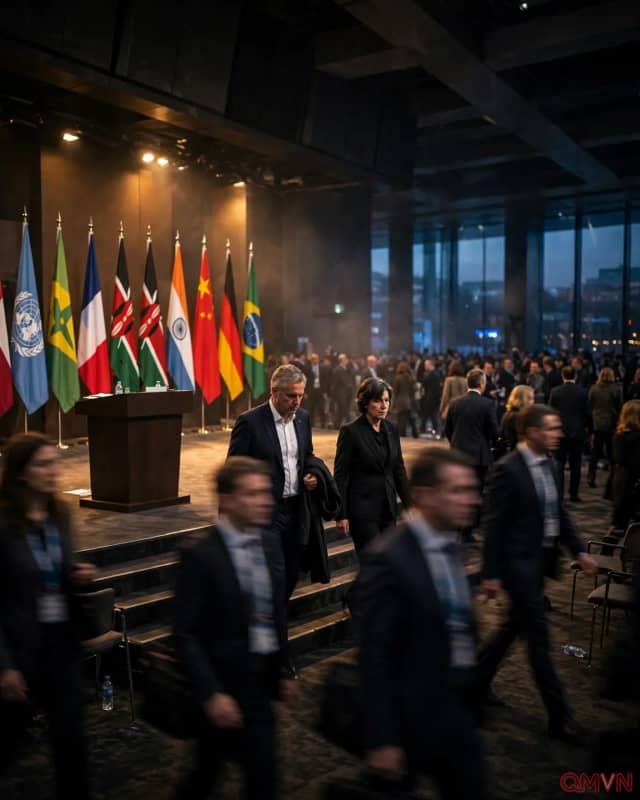
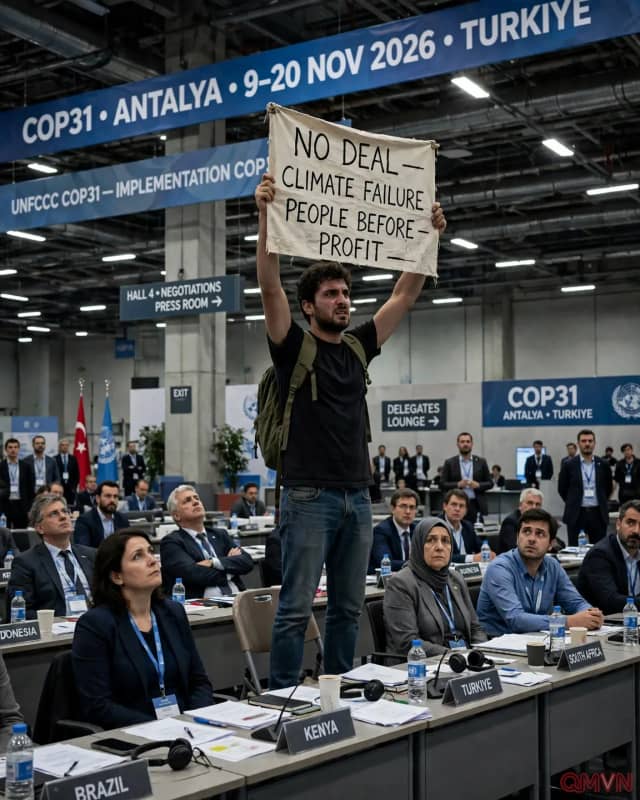
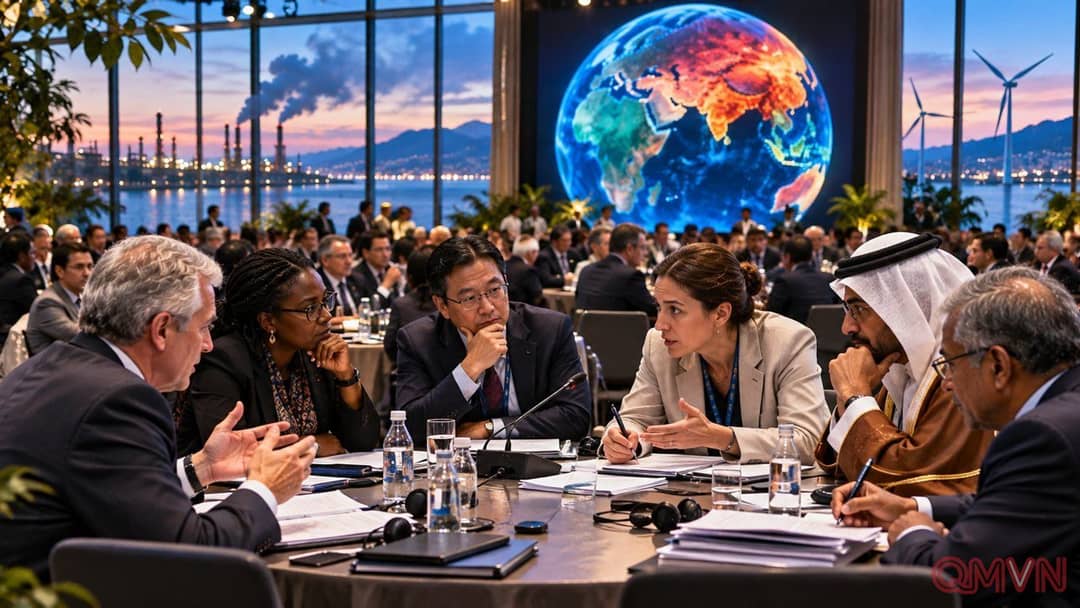
COP31 was scheduled to close on November 20, but its late plenary resolved some technical questions without securing the broader political package. Conference president Murat Kurum acknowledged that delegates were near the finish line but not yet there. After two weeks in Antalya, governments were still contesting how directly a climate agreement should address the fuels responsible for much of humanity’s greenhouse gas emissions.
An initial draft developed through negotiations led by Australia called for faster movement away from fossil fuels. Those references disappeared from a shorter revision circulated on November 19. For negotiators, this is more than an editing dispute: naming the problem in a global decision changes the political expectations that governments face when they return home.
Energy exporters and vulnerable nations draw different lines
The European Union warned the draft risked turning a climate conference into a “fossil summit”. Panama and countries spanning Europe and vulnerable islands demanded clear acknowledgment of a transition away from fossil fuels.
Panamanian environment minister Juan Carlos Navarro said a COP outcome that failed even to mention those fuels would be unacceptable.
Saudi Arabia and other oil and gas exporters have opposed language that could accelerate a phaseout. They emphasize energy security and carbon capture, utilization and storage. Critics argue that capture technologies remain costly and cannot be relied upon at the required scale, potentially prolonging fossil-fuel use. The disagreement therefore reflects competing economic models as well as a deeper argument over historical responsibility and the pace of change.
Electrification and adaptation funding test credibility
One proposal seeks to raise electricity to 35% of worldwide final energy consumption by 2035. Electrifying transport, heating and industry can reduce emissions when the power comes from low-carbon sources. Yet the draft does not require the additional electricity to be clean, leaving critics worried that the numerical target could be met without the emissions benefits its supporters intend.
Money is another obstacle. Removing a proposed $120 billion adaptation finance goal alarmed developing countries facing heat, storms, drought and rising seas. Ghanaian environment minister Zanetor Agyeman-Rawlings rejected the notion that poorer nations had come to beg; their demand is for responsibilities to be met. Without dependable funding and practical delivery arrangements, international declarations cannot readily become seawalls, heat protection or reliable early-warning systems.
The peril of a lowest-common-denominator compromise
Major UN climate decisions generally require consensus. This gives small states a voice but also allows a determined coalition to resist stronger commitments. Australia’s climate minister Chris Bowen, leading negotiations, must bridge positions among fossil-fuel exporters, major economies and countries facing immediate climate danger.
A further draft was expected on November 21. Until the parties approve a final text, it would be premature to declare COP31 either a success or a failure. The prolonged bargaining nonetheless illustrates how far the gap remains between the world’s temperature goals and short-term national decisions. An agreement made easy by avoiding the hardest issue may prove costly when measured against atmospheric realities.