MAIN CONTENT
Food trade: fewer obstacles, continued obligations
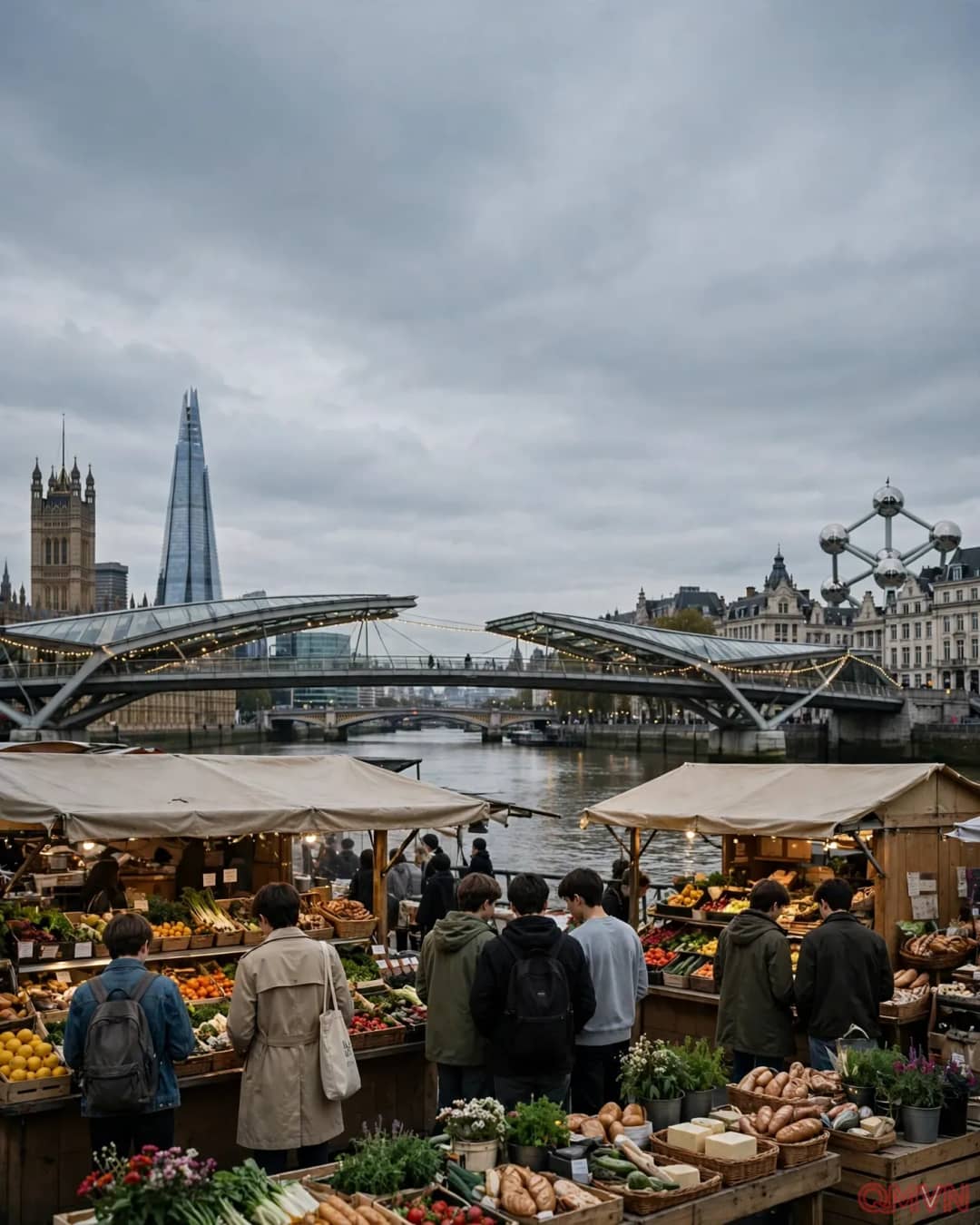
The most immediately tangible promise concerns sanitary and phytosanitary rules governing animals, plants, food and related goods. After Brexit, exporters encountered certificates, border inspections and administrative costs that particularly burdened smaller producers. Reducing those barriers could help British farmers and food businesses reach European customers more easily, while potentially improving choice and costs for consumers. The UK government puts the possible economic gain at as much as £5.1 billion per year, but benefits would accumulate only after the arrangement operates in practice.
Less friction does not mean an absence of standards. A durable arrangement requires confidence that food safety protections remain compatible, bringing the contentious question of regulatory alignment back into view. Supporters argue that shared rules are a reasonable price for smoother commerce. Critics worry that Britain could accept obligations over which it has limited formal voting power. Northern Ireland may also benefit if the arrangement reduces the need for some checks between Great Britain and the region.