A war reignited
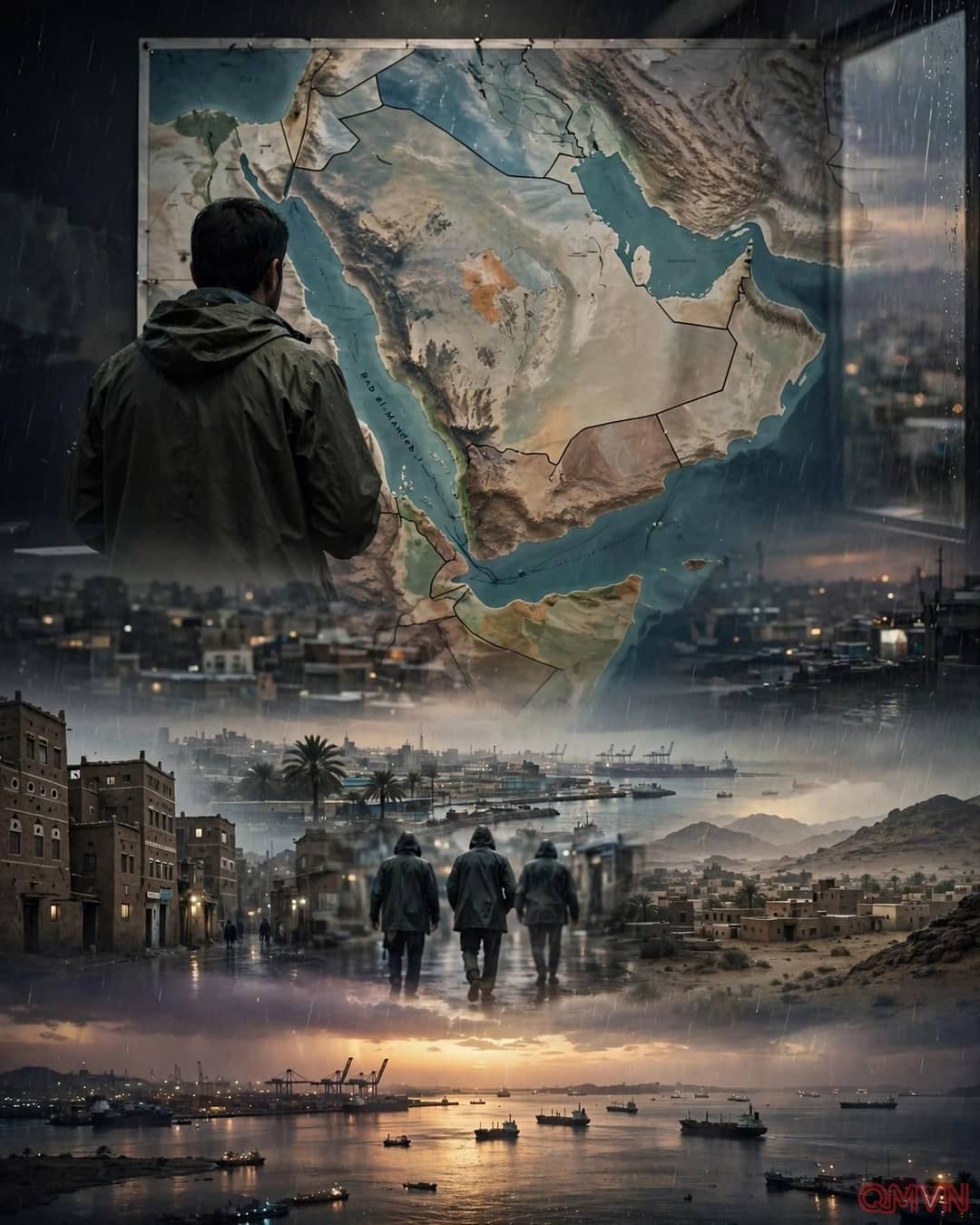
The replacement of the coalition commander signals how badly the latest phase of fighting has gone for Riyadh's allies. Houthi forces have advanced along the strategic Red Sea coast near the Bab el-Mandeb Strait, one of the world's most important shipping chokepoints, while anti-Houthi forces have regrouped further south.
The renewed fighting follows the regional war centred on Iran. The Houthis joined it with an attack on Israel on March 28, kept a relatively low profile for months, then declared a naval blockade against Saudi Arabia in July and intensified attacks on the kingdom's south in September. Humanitarian agencies say hundreds of thousands of Yemenis have been displaced since the summer.
The Houthis: the dominant force
Formally known as Ansar Allah, the Houthi movement ousted the internationally recognised government of President Abd Rabbu Mansour Hadi in late 2014. It remains Yemen's strongest military power, holding Sanaa and much of the north, and has withstood more than a decade of Saudi-led bombing as well as US and British strikes.
The Saudi-led coalition accuses Iran of arming, training and funding the group; both the Houthis and Tehran reject the charge, and the movement says it develops its own weapons. Widely regarded as part of Iran's “Axis of Resistance”, the Houthis have struck Saudi and Emirati oil facilities, fired drones and missiles at Israel during the Gaza war and attacked commercial shipping in the Red Sea.