MAIN ARTICLE
Borders, work and the meaning of belonging
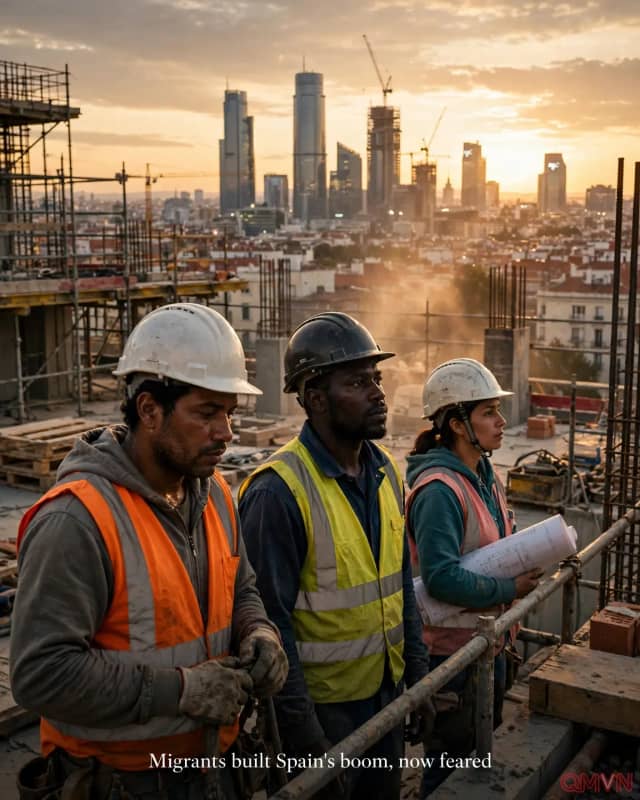
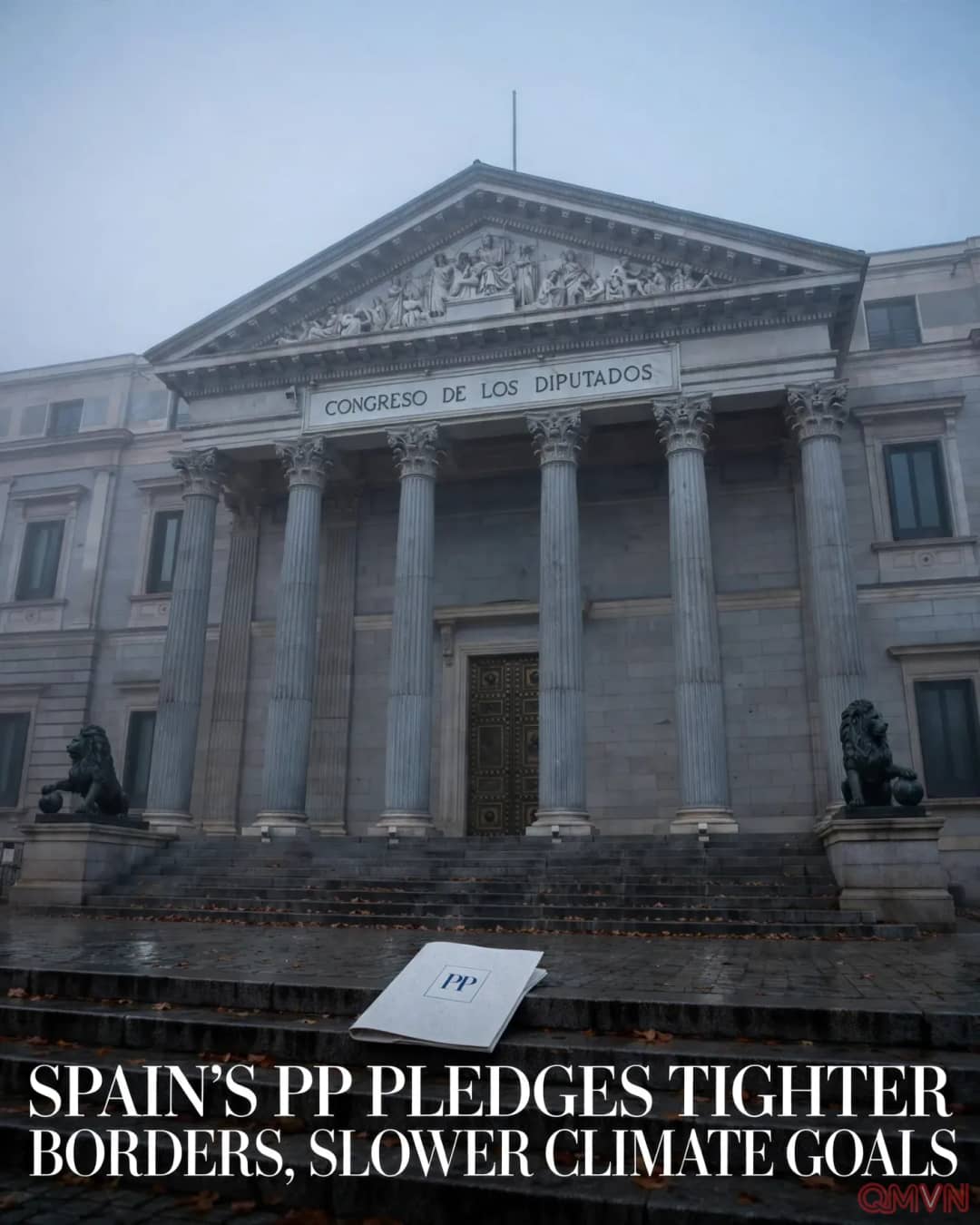
The PP proposes banning what it calls mass, indiscriminate regularisation of undocumented migrants and creating annual work-visa quotas tailored to sectors with labour shortages. Those quotas would take account of employment needs and public-service capacity, while cooperation by countries of origin on return procedures would influence admission arrangements. Spanish news agency EFE reported that the manifesto also pledges quicker identification of people who enter irregularly and faster returns under European mechanisms. Supporters frame these measures as a way to align migration with housing, public services and the labour market; critics may question their humanitarian consequences and whether controls can coexist with employers’ demand for workers.
The platform would also restrict some benefits by reference to lasting ties with Spain, prohibit Islamic face veils in public spaces and propose changes to the rules under which naturalised citizens may lose nationality following convictions for serious offences. Those are legally and ethically consequential ideas: citizenship protections, religious liberty, equal treatment and individual due process could shape any implementing laws. Campaign language about borders may be politically concise, but administration is seldom simple. A durable framework must distinguish irregular entry from lawful migration and must account for asylum obligations, independent judicial scrutiny and the people whose lives depend upon these decisions.