From “regime change” to defeat in Washington
“Iran succeeded in regime change in America” was the first reaction of a source close to a US ally in the Gulf. According to that source, Gulf officials were stunned by the scale of the Democratic victory and left wondering which way Trump would turn.
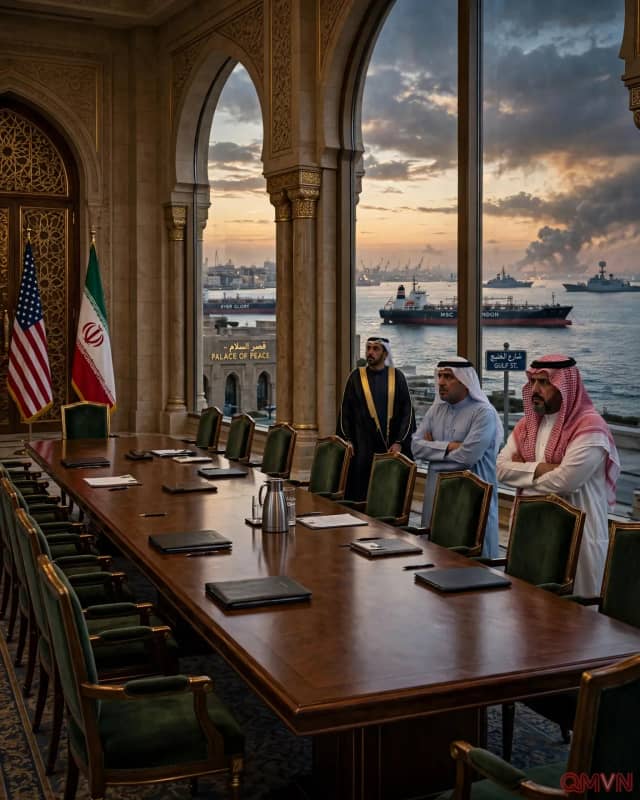
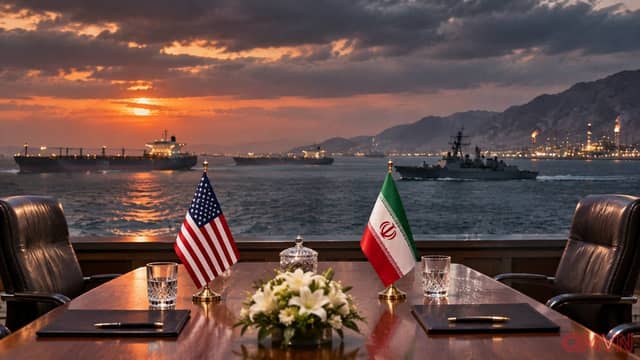
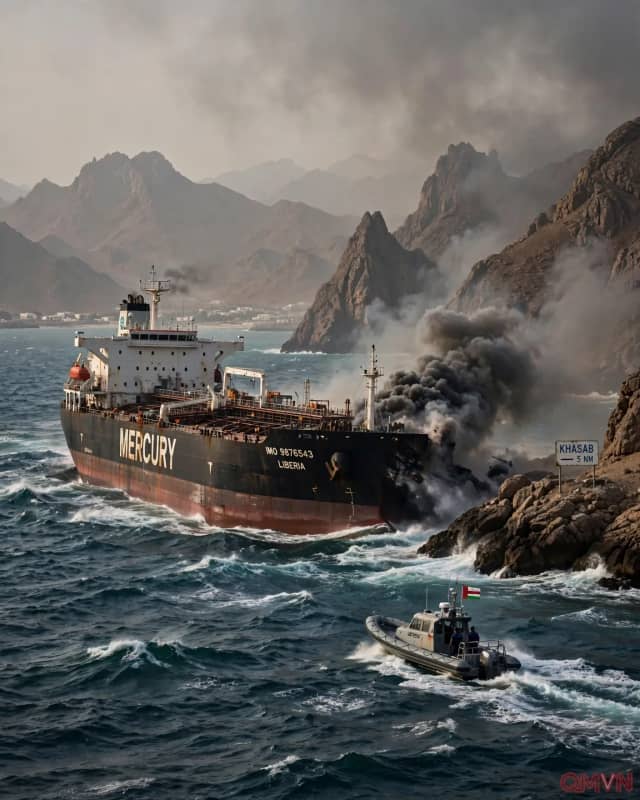
The war began with joint US-Israeli strikes on February 28, then spread as Tehran fired missiles and drones at Gulf targets and at shipping in the Strait of Hormuz, disrupting global energy supplies. The campaign badly damaged Iran’s military capabilities but failed to deliver a decisive outcome, and the nuclear issue remains unresolved.
Two leaders, one dangerous way out
A week before the US vote, Israeli voters also struck a blow at the war’s other architect. Netanyahu’s right-wing bloc won just 53 of the Knesset’s 120 seats in the October 27 election, eight short of a majority, leaving him fighting to hold on to power.
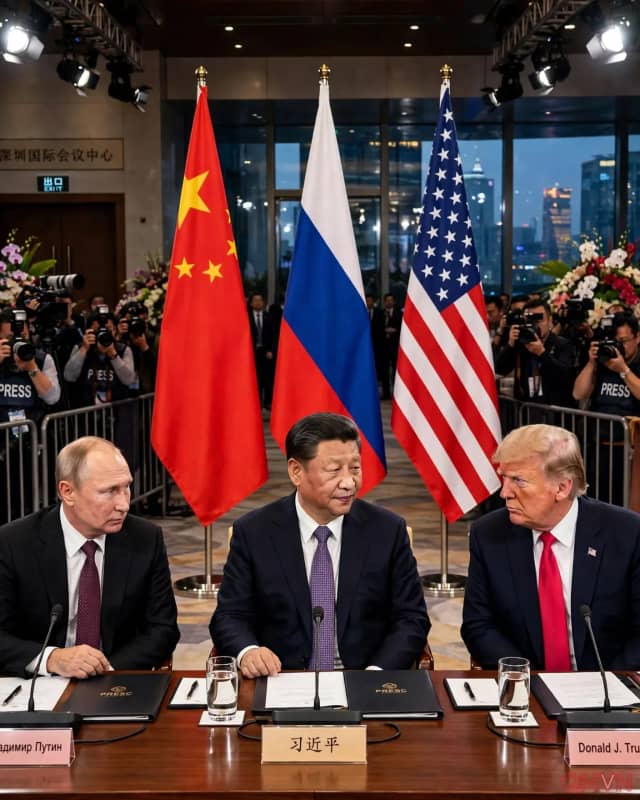
According to two sources close to Gulf government circles, a Trump weakened by a Congress able to constrain his military options has greater incentive to seek a deal, and a full-scale assault now looks less likely. Limited strikes on nuclear facilities could allow Washington to claim its objectives were met, as China steps up mediation efforts. But as both leaders’ political futures become ever more tied to the war’s outcome, escalation may come to be seen not as a risk but as a way out.
Tehran: jubilant but on guard
Iran’s chief negotiator, Parliament Speaker Mohammad Bagher Ghalibaf, declared that Americans had said “NO TO WAR.” He also said Supreme Leader Mojtaba Khamenei had authorised the government to negotiate on issues previously considered off-limits.
Even so, two senior Iranian sources said Tehran remained on high alert, fearing Trump could try to make up for his defeat with a military strike.
*“No one will benefit from this war if it resumes.” — Mohammad Bagher Ghalibaf*
Khamenei, who has not appeared in public since the war began, warned against “even the slightest inclination towards submission,” a signal that Iran has no intention of softening its demands over the Strait of Hormuz.
The Gulf: peace, but not at any price
According to Ebtesam al-Ketbi, president of the Emirates Policy Center, the election makes a settlement more urgent for Trump but no easier for Iran. Any deal that ignores freedom of navigation through Hormuz, lets Iran impose tolls or political conditions on shipping, or leaves Gulf states exposed to military threats would be only a temporary arrangement sowing the seeds of another crisis.
*“If anyone drags us into another war, it won’t be Netanyahu, it won’t be Trump, but the guys in Tehran. They might grossly miscalculate that Trump is weak and Netanyahu is finished.” — Abdulkhaleq Abdulla*
Conversely, Abdulaziz Sager, chairman of the Saudi-based Gulf Research Center, warned that defeat could make Trump more willing to strike, not less. With the midterms behind him and no third term ahead, the electoral considerations that once encouraged restraint have faded, leaving a president with less to lose who may want to “finish the job” to secure his legacy.
A fragile balance
Lebanese commentator Sarkis Naoum said the defeat had weakened Trump’s hand at the negotiating table. An official from Iran-backed Hezbollah said the chances of escalation and de-escalation may now be equal. Drawing on these assessments, three main scenarios emerge:
- A negotiated deal, mediated by China or the Gulf states.
- Limited strikes on nuclear facilities, allowing Washington to declare its goals met and step back.
- A new round of escalation driven by miscalculation in Washington, Jerusalem or Tehran.
For Gulf allies, the risks extend beyond the battlefield. Once seated in Congress in January, Democrats are expected to investigate Trump’s administration, family and allies, and Gulf states are wary of probes into business dealings between their own entities and the president’s family.