MAIN ARTICLE
Talk of peace amid fresh attacks
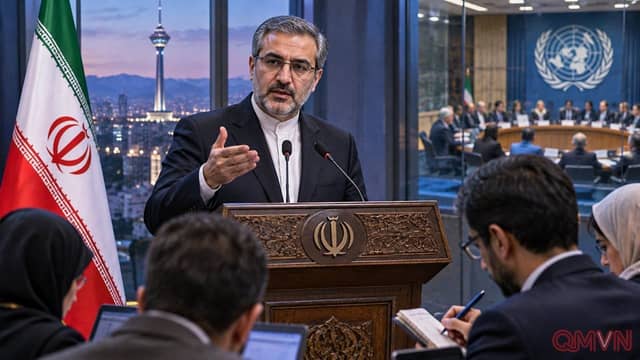
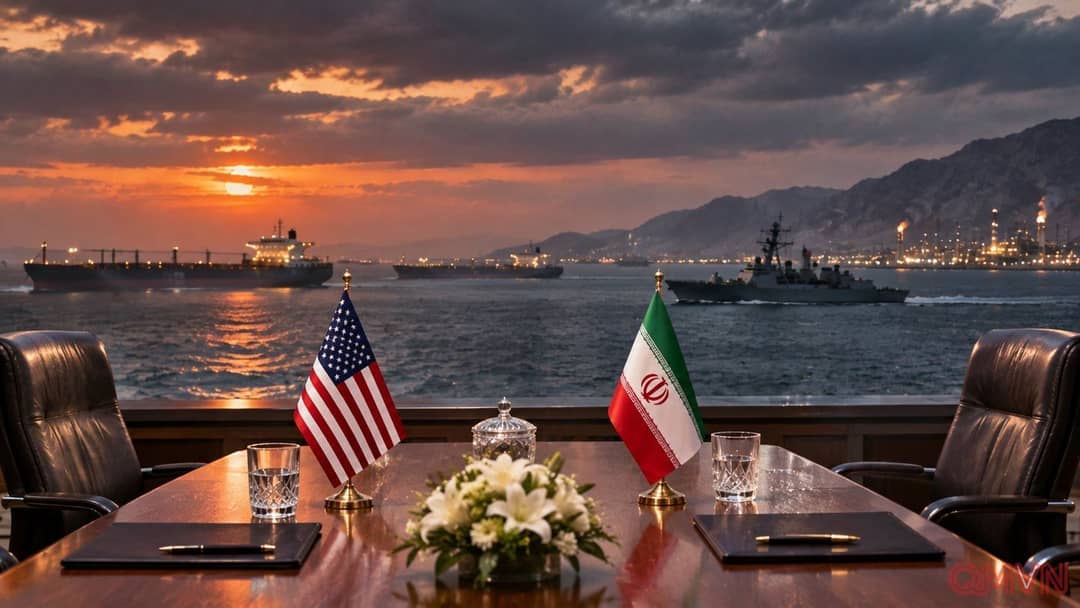
On November 20, Trump said Iran wanted an agreement but had not offered terms he considered acceptable. Iranian Foreign Minister Abbas Araqchi said Tehran still hoped diplomacy could end the war. Those positions are not necessarily contradictory. Both governments can see the mounting costs of conflict while disagreeing profoundly on what constitutes a fair settlement.
Recent strikes on American-linked sites in Bahrain and Kuwait, U.S. action on Qeshm Island, and threats to tankers demonstrate that battlefield pressure continues alongside diplomatic contacts. Details of responsibility and damage in individual incidents require independent corroboration; competing official claims should not be confused with established findings.
The challenge extends beyond getting negotiators around a table. Each side needs political space to preserve security and explain compromise at home. Every new attack thins the remaining trust, while each additional day of blockade places more strain on Iran's economy.
Hormuz as artery and instrument of leverage
The Strait of Hormuz connects the Gulf's producers to international markets. Before the conflict, a substantial share of the world's oil and liquefied natural gas moved through this narrow passage.
Diversions, insurance premiums and delays can therefore shake energy prices even when no producing facility is directly destroyed.
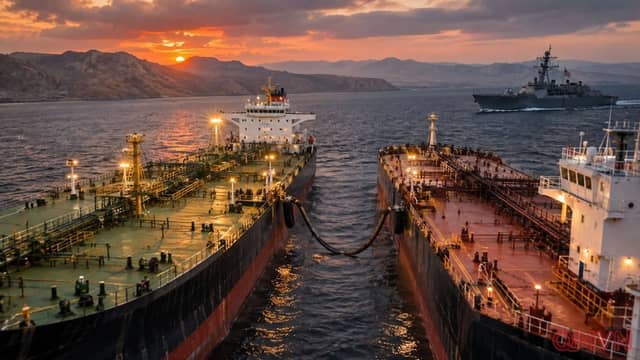
Washington is using restrictions on Iranian ports and exports to raise the economic cost of continuing the confrontation. Tehran can exert its own pressure on shipping and neighboring states. CENTCOM's warning concerning ship-to-ship cargo transfers illustrates how the contest has expanded beyond port departures to the complex network of maritime intermediaries.
Maritime monitors have identified some shipments of Iranian oil products finding ways to international buyers, but isolated movements do not demonstrate a recovery in overall exports. Boarding or diverting a disputed tanker could turn an economic confrontation into a direct military encounter, especially in tightly trafficked waters.
What Gulf mediators can and cannot do
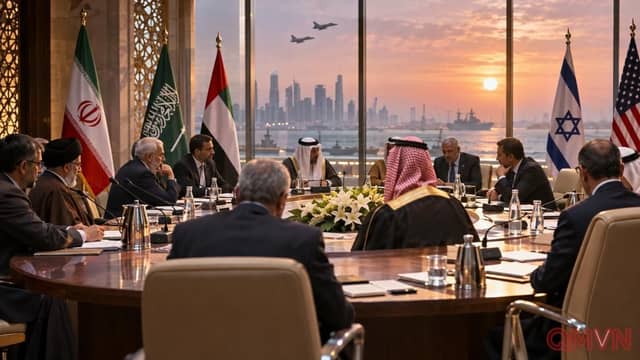
Qatar, Oman and other Gulf partners have kept channels open to Washington and Tehran in pursuit of a ceasefire or narrower measures to reduce violence. They know renewed war could threaten ports, energy installations, air traffic and civilian livelihoods at home. Geography gives them a particularly compelling reason to pursue diplomacy.
Yet those governments cannot unilaterally cancel American sanctions, and they cannot veto the White House's military decisions. Equally, a mediator's promise cannot substitute for independent nuclear monitoring or enforceable protections for commercial vessels. These limits define the importance and the constraints of regional mediation.
Gulf states also differ in their exposure. Some rely heavily on the Hormuz passage; others have pipelines reaching the Red Sea or Gulf of Oman. Turning maritime access into bargaining power magnifies these differences and complicates a unified diplomatic response.
Why another air campaign may not end the conflict
The conflict has shown that air superiority can damage targets without necessarily compelling an adversary to accept political conditions it considers intolerable. Iran might lose identifiable military capabilities while retaining ways to impose costs on regional shipping or retaliate through other channels.
The sharpest dispute concerns sequencing. Tehran wants the blockade eased, oil income restored and frozen assets addressed before moving deeply into the nuclear file. Washington and several partners want verifiable nuclear undertakings from the beginning. Without synchronized implementation, each side fears giving away its leverage first.
A credible exit would likely require modest, verifiable steps: fewer attacks on civilian shipping, safeguarded humanitarian and commercial routes, monitored nuclear measures, and economic relief tied to specific obligations. Such a process offers no instant triumph. It may nevertheless save more lives than another open-ended bombing campaign whose endpoint nobody can confidently describe.