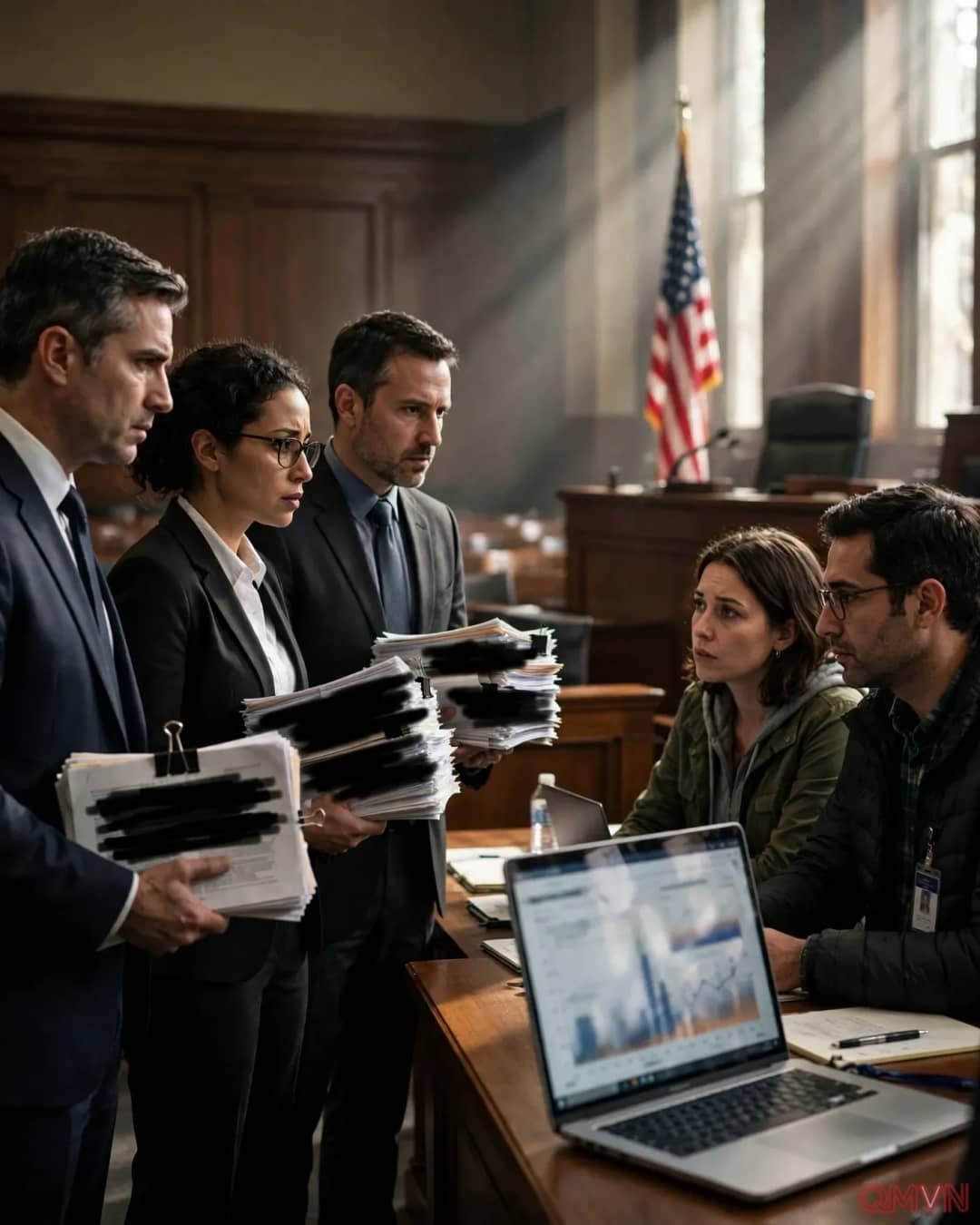
A dispute over a court order
On October 30, Chief US District Judge James Boasberg in Washington allowed CHIRLA to access federal government data on 20,000 people the Trump administration accuses of being noncitizen voters in California. The judge ordered the plaintiffs not to disclose any names and to use the data only for their arguments about legal standing.
A day later, CHIRLA’s attorneys filed court papers revealing the results of their analysis. The Justice Department quickly responded that the analysis had nothing to do with standing and therefore violated the court’s order, and suggested Judge Boasberg refer the matter to the department for investigation of possible criminal contempt.
“The report’s political grandstanding about alleged inaccuracies that purportedly impact California voters generally, or comparisons between the government’s list and the full ‘California voter file,’ has no relevance to whether the particular plaintiffs in this case have standing.” — US Justice Department, in a court filing
What the data analysis found
The University of California, Los Angeles Voting Rights Project, which filed the case and carried out the analysis for CHIRLA, reported several notable findings: