MAIN CONTENT
Two maritime exits narrowing at once
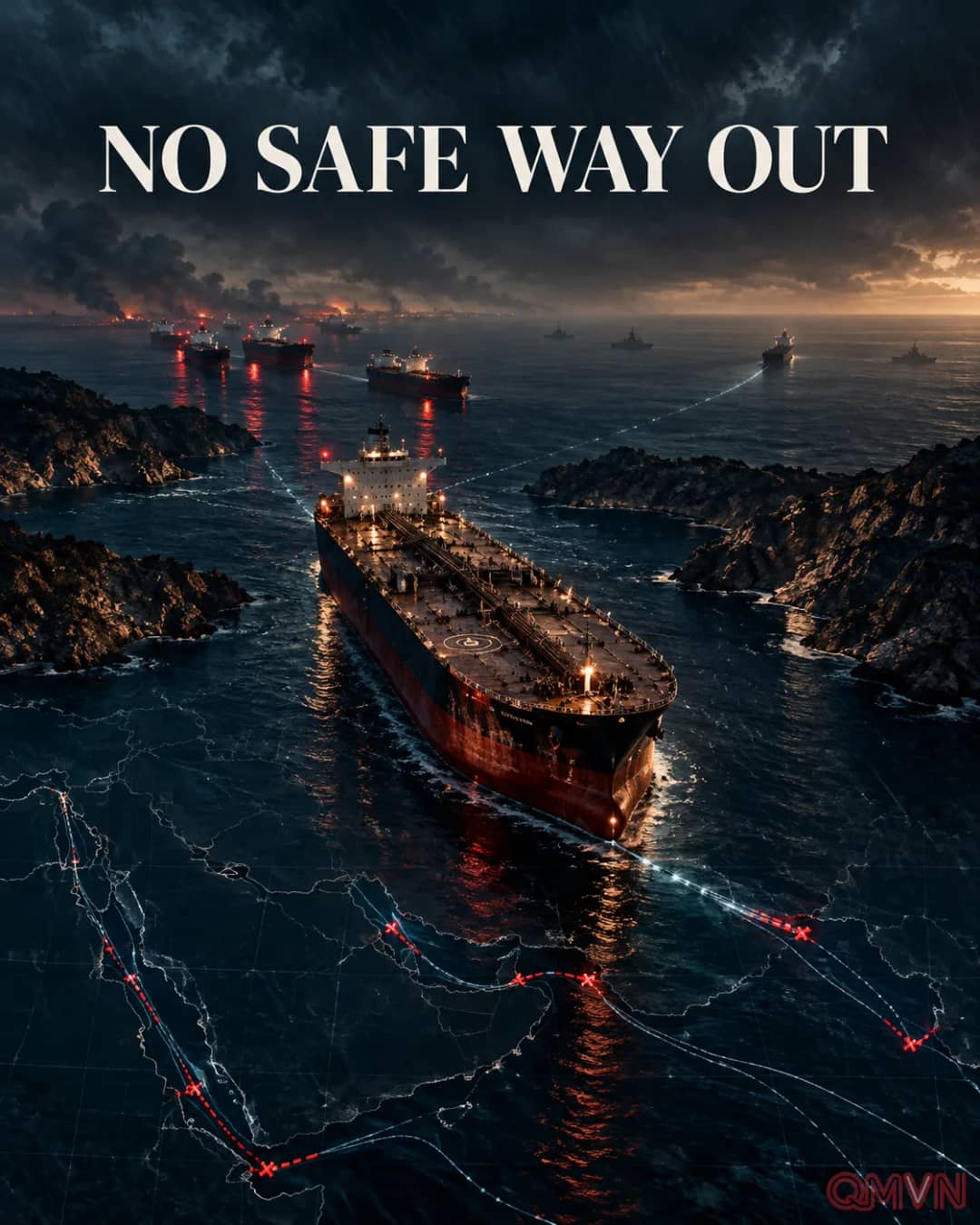
The Strait of Hormuz and Bab el-Mandeb are pivotal links between Gulf oilfields and customers in Asia, Europe and beyond. As traffic through Hormuz fell sharply in early September, the world saw more than fewer ships: it saw a global transport system losing its safety margin. Vessel-tracking data cited by Reuters showed seven ships crossing Hormuz on September 10, far below the roughly 125 large commercial vessels that passed through daily before the war.
Gulf exporters had contingency plans, including pipelines to the Red Sea and offshore transfers that bypass the most dangerous waters. Yet pressure in the Red Sea, where Iran-aligned Houthi forces have threatened shipping, has made the backup routes precarious as well. A geopolitical crisis therefore does not end at one strait. It travels with every voyage, insurance policy and delivery schedule.
The price of insecurity reaches beyond oil
Oil can still be produced, but it cannot serve consumers if it cannot reach refineries on time. Market figures published in early September indicated that Hormuz flows at one point dropped below 2 million barrels a day, from 8 million to 9 million barrels a day just before fighting intensified late in August.