Hope from a refugee camp
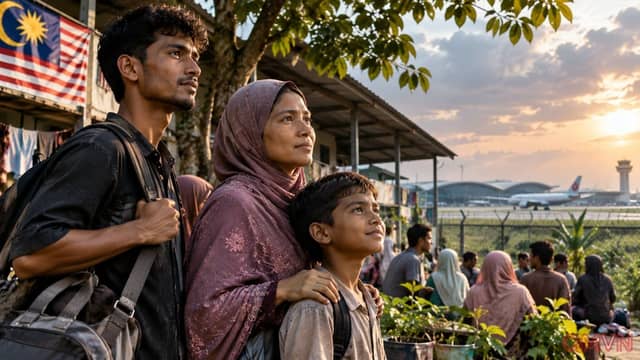
For the Rohingya, the judgment is a rare moment of hope that the world will formally recognise their suffering. In Cox's Bazar, Bangladesh, the world's largest refugee settlement with about 1.2 million Rohingya, 34-year-old Hasina Khatun is raising her three sons alone in a bamboo and plastic shelter measuring about three by four metres.
She lost her husband and brother in the Inn Din massacre, one of several mass killings in Myanmar's northern Rakhine State. When she fled, she was pregnant and her children were crying from hunger.
We have been waiting for a long time for the verdict. We hope it will bring us justice and pave the way for our return home. We want to return to Myanmar with dignity, security, citizenship, and our full rights.
Myanmar's military-backed government did not respond to requests for comment.
The challenge of proving genocidal intent
Refugees have recounted killings, mass rape and the burning of villages. A UN fact-finding mission concluded the campaign included “genocidal acts”. Myanmar denies this and says it was a legitimate counter-insurgency operation.