MAIN ARTICLE
An indictment that did not clear the grand jury
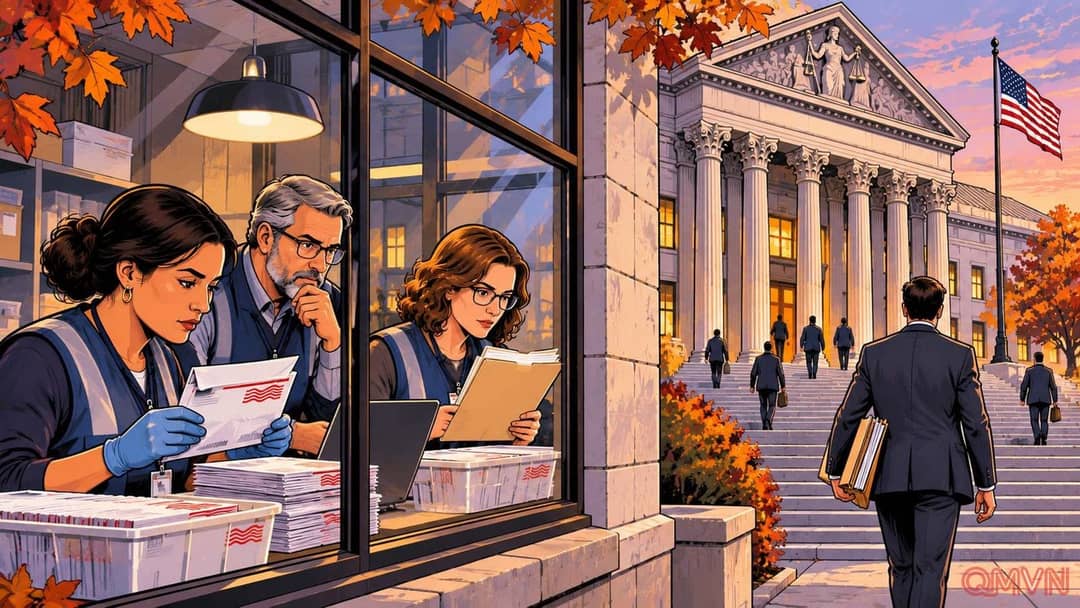
Four people briefed on the matter told The New York Times that federal prosecutors asked a Washington grand jury to charge an individual they believed had voted in two jurisdictions in 2024. Jurors declined on Friday, October 30. The source report did not disclose the person's identity or the detailed evidence, so the specific reasons for the refusal cannot responsibly be inferred.
In the federal system, a grand jury determines whether prosecutors have established probable cause to bring criminal charges. It does not decide whether someone is guilty beyond a reasonable doubt. A refusal, often called a “no true bill,” does not establish innocence or prove that misconduct occurred. Authorities may consider further lawful investigative steps, but an accusation alone cannot stand in for a charging decision.
Political pressure and prosecutorial independence
Accounts differed about why the case reached prosecutors. One person attributed the push to political appointees, including Washington US Attorney Jeanine Pirro; another said the District of Columbia Board of Elections had referred names of people suspected of voting twice. Those explanations are not necessarily incompatible. Neither by itself establishes the motive behind the particular proposed indictment.