Outspoken criticism
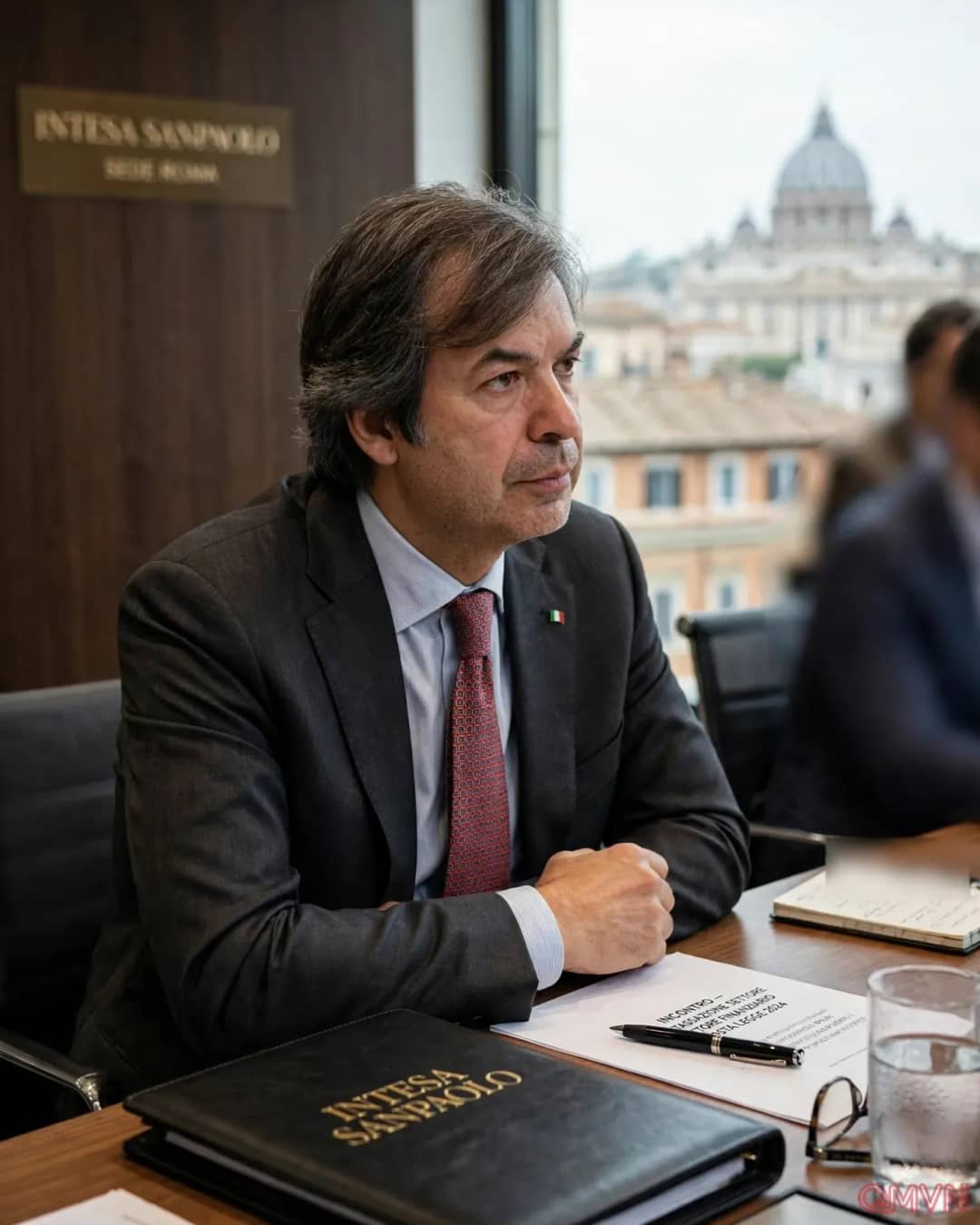
At the event in Rome, Messina, head of Italy's most valuable bank, made no secret of his displeasure with the new tax plan. In his view, the burden of energy costs on households and businesses should be shared more widely.
There isn't a single sector that has to pay the price during difficult times.
His remarks carry particular weight because Intesa Sanpaolo is not only the country's largest bank but also has an especially influential voice in Italian finance.
A growing tax burden
The Italian government's plan includes substantial revenue from the financial sector:
- An additional €10.7 billion (about $12 billion) from banks, insurers and other financial institutions over 2027–2029.
- This comes on top of €12 billion the government has already said it will raise through 2028 from measures in this year's budget.
- The revenue will help fund the 2027 budget, including measures to ease the energy burden.