A Strategic Transition from Equipment Procurement to Industrial Co-Production
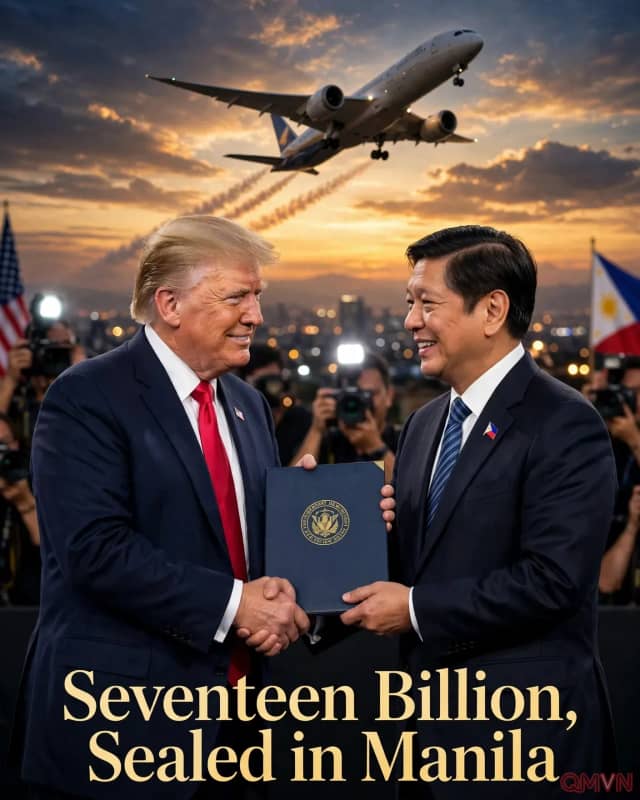
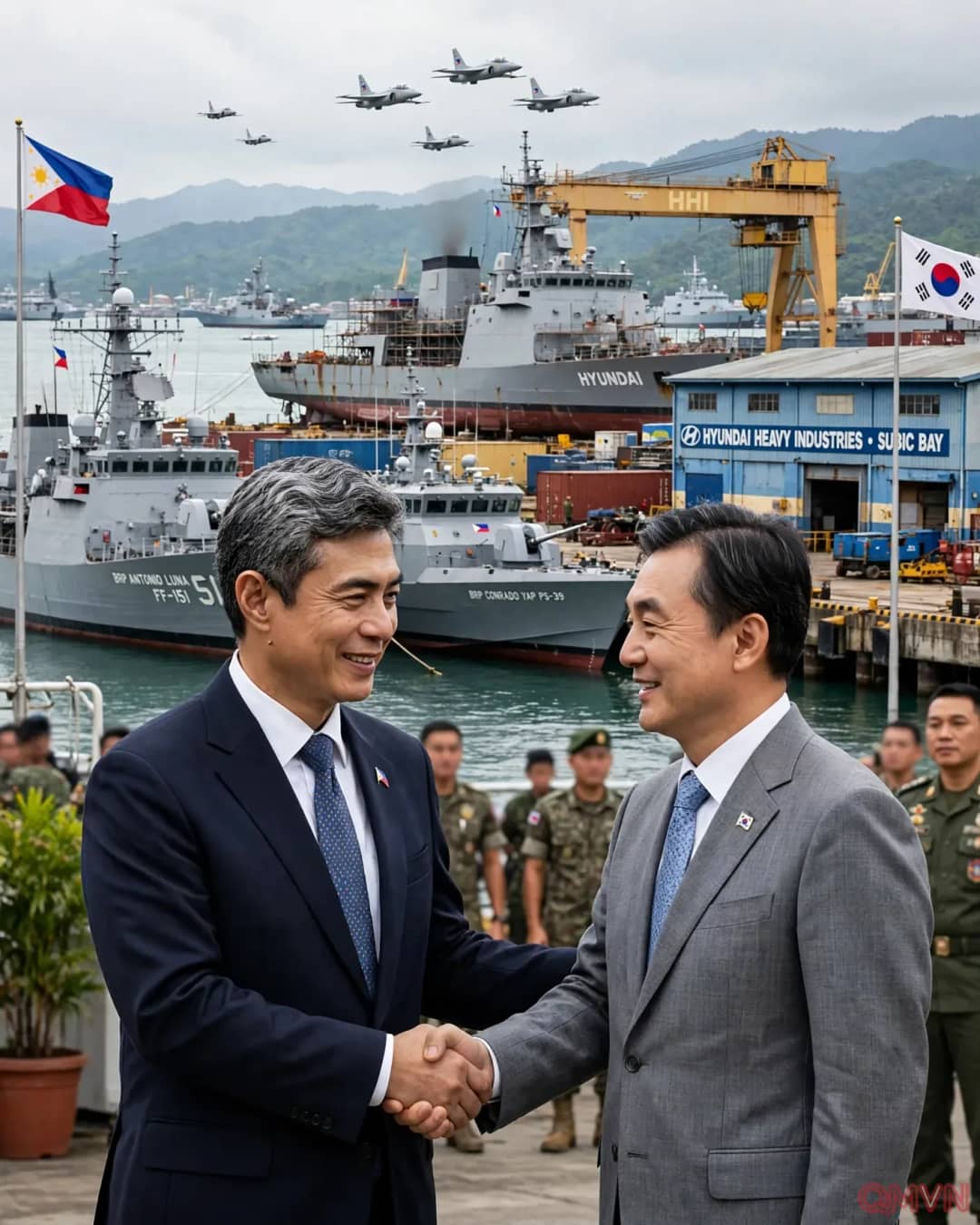
The continuous expansion of the Armed Forces of the Philippines’ modernisation drive has placed South Korean defence conglomerates at the heart of Manila’s maritime defense architecture. Philippine Defence Secretary Gilberto Teodoro Jnr highlighted during high-level bilateral dialogues that virtually all newly commissioned frigates and corvettes in the Philippine Navy were engineered and built in South Korean shipyards. According to analytical assessments from the Royal United Services Institute (RUSI), the Philippines accounted for approximately eighteen percent of South Korea’s total arms exports between 2021 and 2025, establishing itself as Seoul’s second-largest defense customer globally behind Poland. Crucially, Manila is intentionally shifting its acquisition doctrine away from purchasing decommissioned foreign surplus toward co-production, indigenous lifecycle maintenance, and domestic shipyard revitalization at Subic Bay.
" The most important thing is that our countries are strategically aligned, which is why we have confidence in the Republic of Korea as a reliable partner " Gilberto Teodoro Jnr
Legitimate Self-Defense and Safeguarding Livelihoods of Coastal Communities
Far beyond strategic submarine contract bidding figures and advanced aerospace avionics lies the fundamental human necessity of safeguarding fragile maritime livelihoods across the Philippine archipelago. Everyday artisanal fisherfolk operating across traditional territorial waters continuously face severe maritime disruptions and economic insecurity.