MAIN CONTENT
An oil recovery that does not end the emergency
Saudi Aramco’s ability to restore facilities and reroute crude has helped the kingdom respond to extraordinary logistical pressures. Reuters, citing OPEC data, reported October output of 10.6 million barrels a day. Kpler figures cited in the same analysis put exports at about 6.7 million barrels a day over September and October, higher than the 2025 pre-war comparison of 6.2 million. These are measures of operational recovery, not proof that transport and security risks have disappeared.
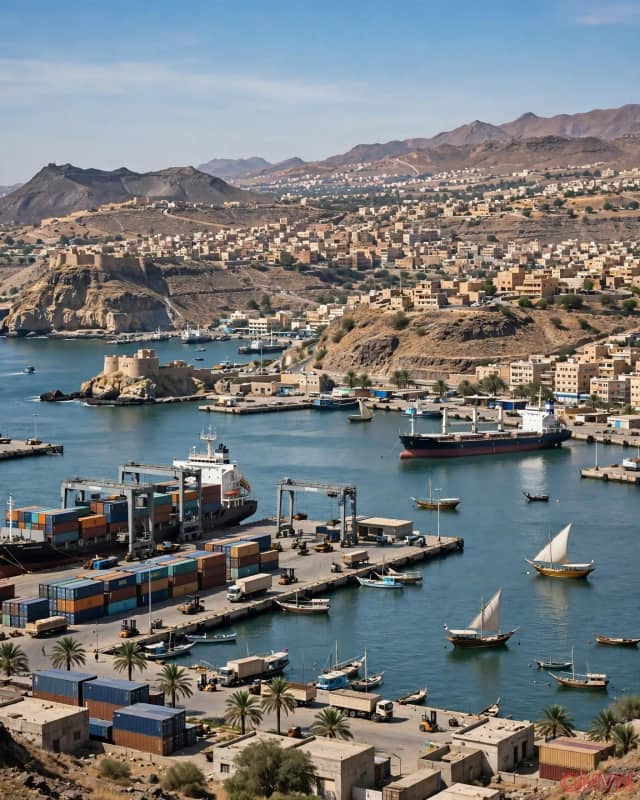
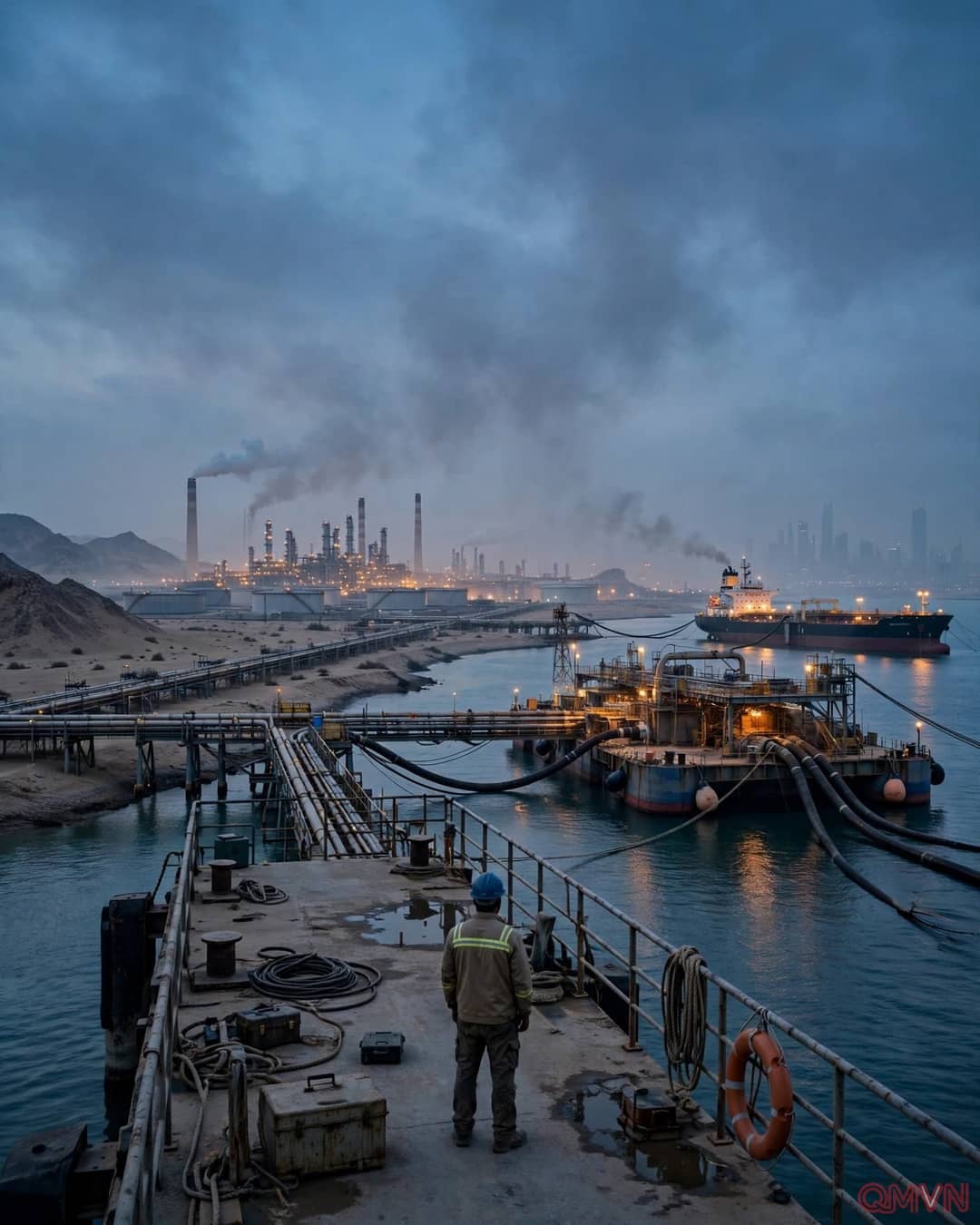
The East-West Pipeline, connecting the main producing areas with the Red Sea, has become a strategic alternative to routes through the Strait of Hormuz. After a September attack, Aramco restored the line within days, according to Reuters. Redirecting shipments between terminals illustrates the usefulness of redundant infrastructure, but each disruption also imposes extra costs in repairs, insurance, inventories and vessel scheduling.
The distinction matters for readers of economic headlines. Output describes how much oil can be produced; exports describe what reaches customers; investor confidence describes whether future projects can attract patient capital. A rebound in the first two does not automatically repair the third.