MAIN ARTICLE
Security concerns close a familiar crossing
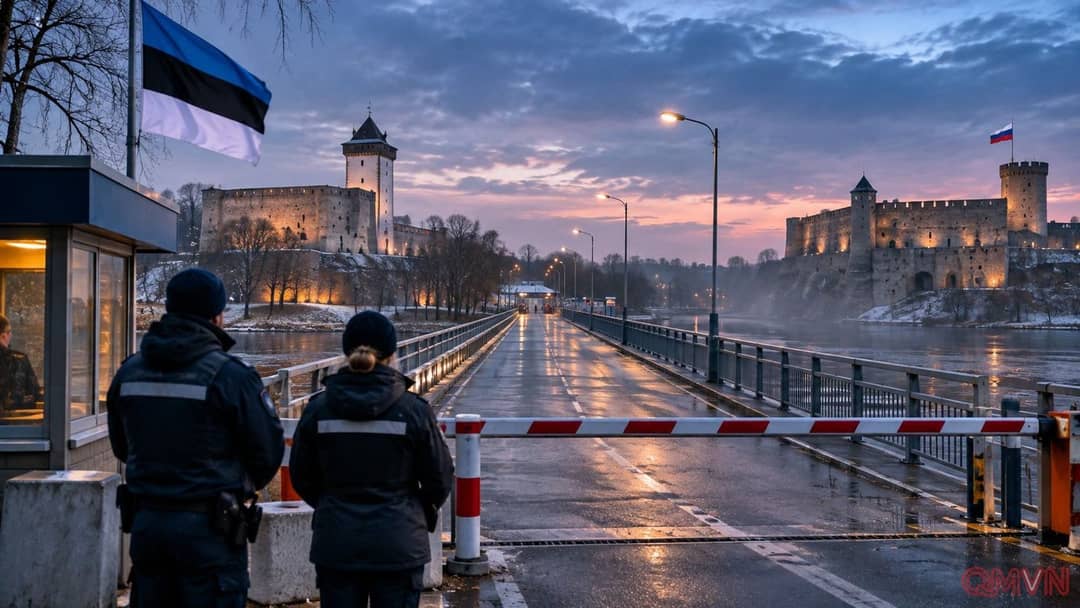
On November 20, Estonia’s government approved the suspension of road border crossings with Russia beginning on December 1. Its published list covers Narva-1, Narva-2, Koidula, Luhamaa and Saatse, although those checkpoints did not all have identical operating arrangements before the announcement. The government says it will review the suspension after six months. The measure is therefore a defined interruption of road crossings, not a declaration that every form of cross-border transport has ended.
The immediate trigger was an attempted arson attack on a company serving Estonia’s defence sector. Estonian authorities attributed the suspected operation to Russian military intelligence and said it followed another such incident this year. Interior Minister Igor Taro warned that Russian security services were attempting to pressure or recruit people travelling through checkpoints. These are allegations and assessments made by Estonia; Russia denies involvement in the attempted attack.
Competing narratives in Tallinn and Moscow
For Estonia, an EU and NATO member, a crossing point is no longer merely a customs facility. Across Europe’s eastern flank, governments have become concerned about espionage, cyberattacks, infrastructure sabotage and other forms of pressure often grouped under the term “hybrid threats”.