MAIN STORY
A carefully chosen answer at the lectern
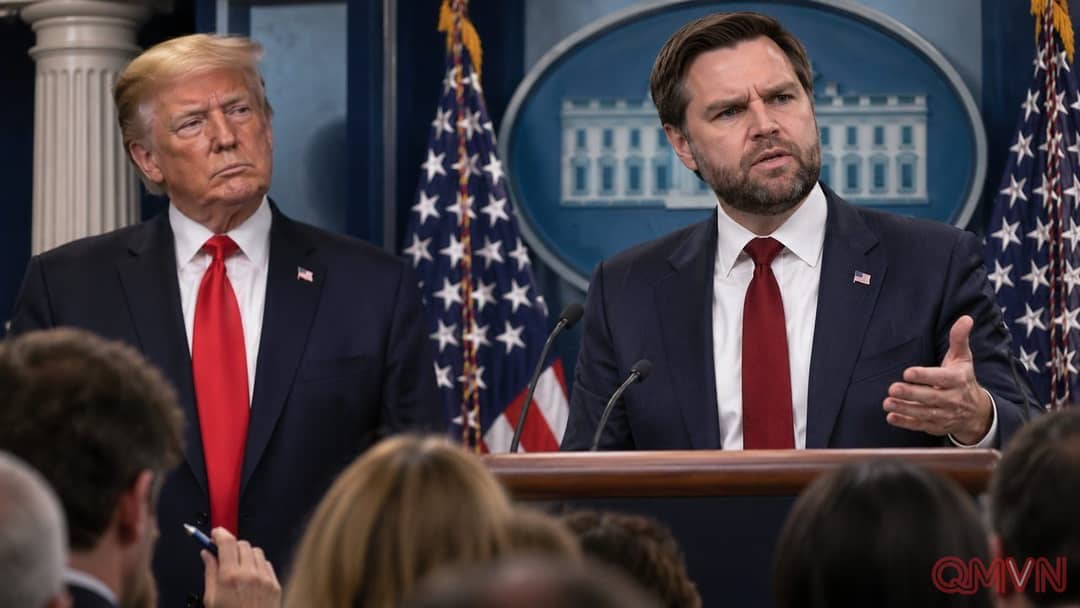
Asked whether he personally would have approved military action to stop Iran developing nuclear weapons, Vance offered neither an affirmative nor a negative answer. The February decision belonged to Trump, he said, and his own role was to support the president. That formulation respected the hierarchy of the executive branch without turning a contentious decision into a personal endorsement.
Trump told reporters he accepted Vance's explanation of Republican election losses, but thought it omitted a vital point: the strikes, in his view, had been necessary, and should be carried out again if required. Their remarks did not amount to an announced policy rupture. They did, however, reveal how difficult it has become for the White House to speak with a single voice about the conflict.
A nuclear objective and the cost of pursuing it
Vance continued to describe preventing an Iranian nuclear weapon as a critical security objective. He warned that Tehran might use such a capability to coerce other countries or endanger civilians. Those are arguments about potential threats, not proof that Iran already possesses a nuclear weapon; nor do they settle whether armed force would be more effective than a verifiable diplomatic arrangement.