MAIN ARTICLE
From school gates to city boulevards
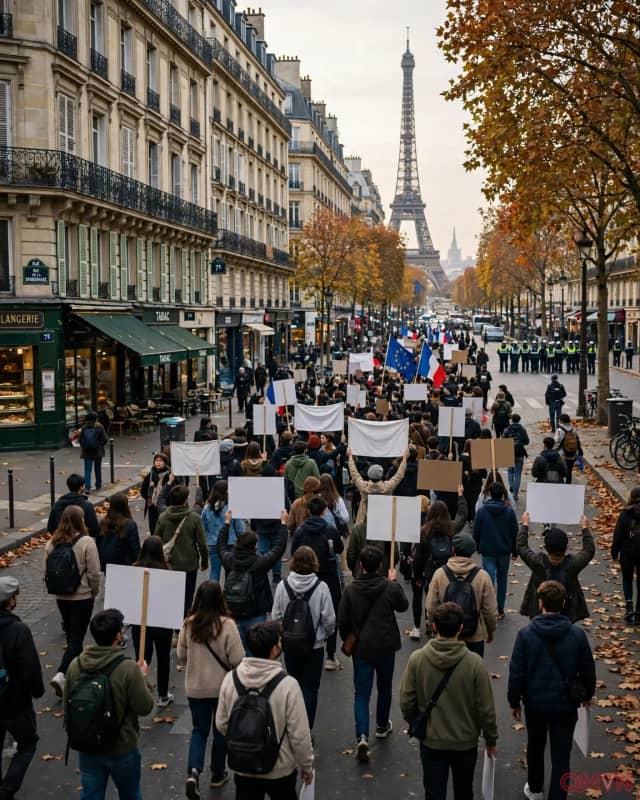
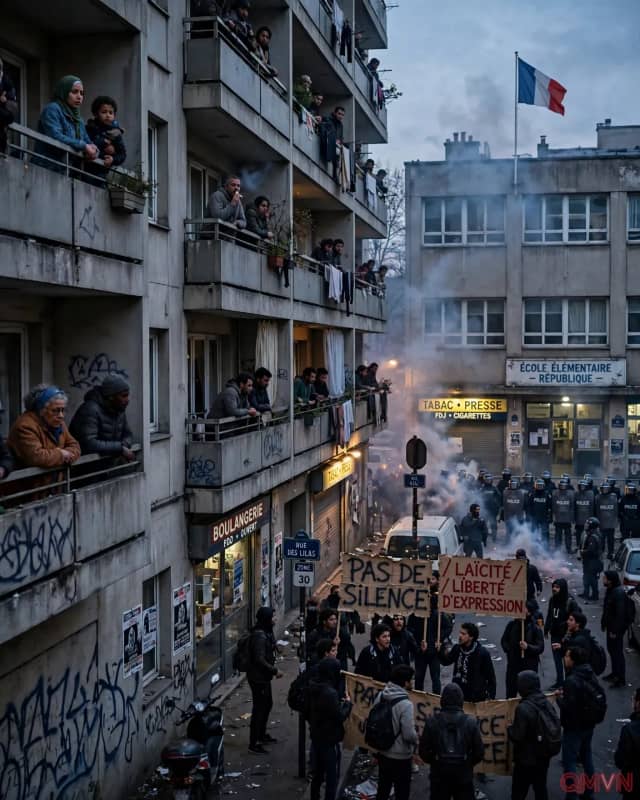
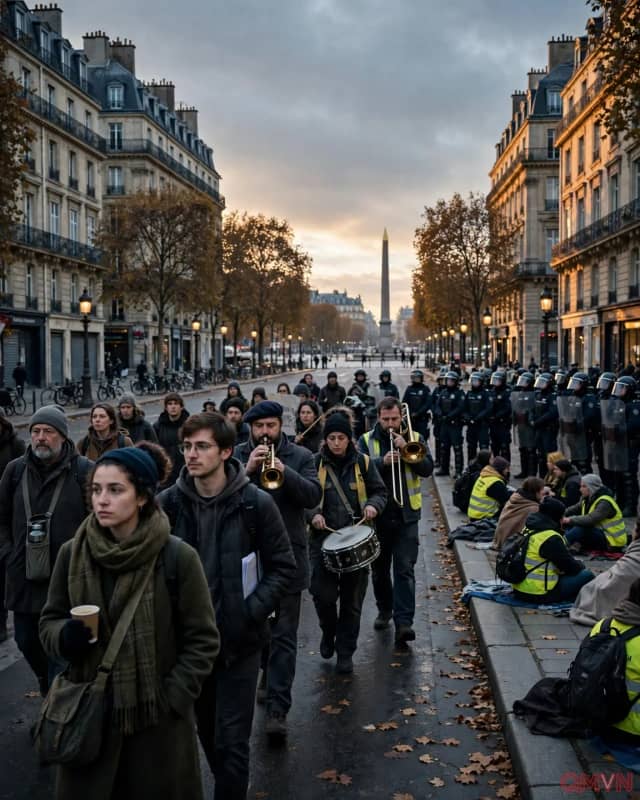
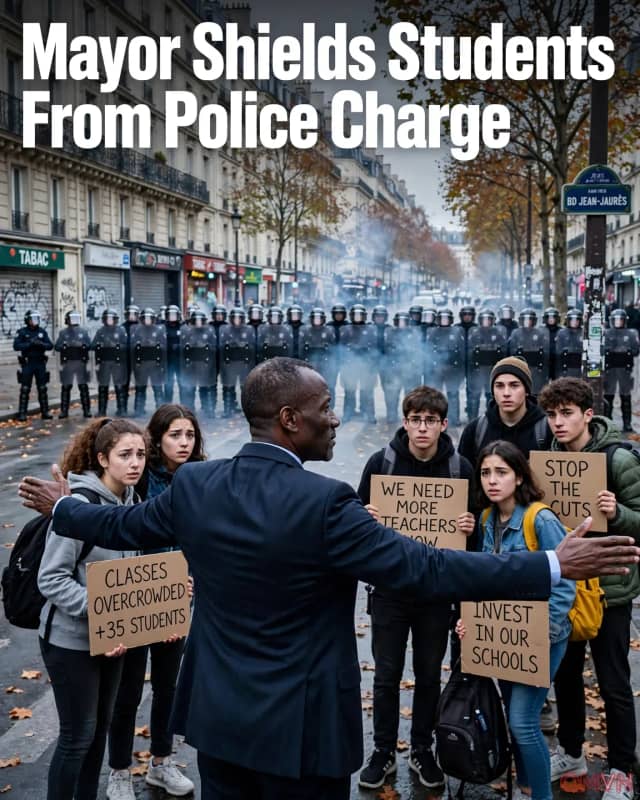
Protests emerged in secondary schools in September, with students pointing to inadequate buildings, unequal learning conditions and anxiety over the Parcoursup university-admissions system. By October, the campaign had drawn university students, teachers and parents. Successive Saturday marches became a wider conversation about young people's prospects and how public resources are shared.
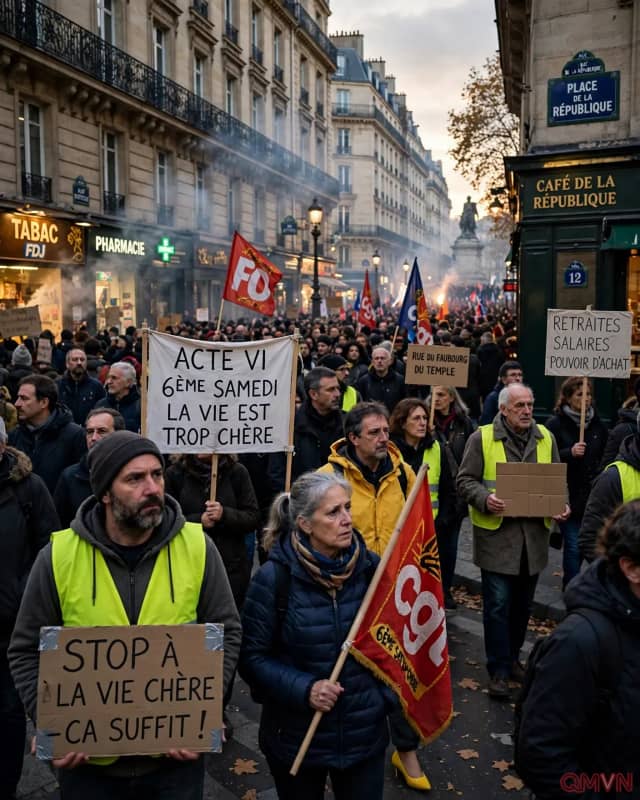
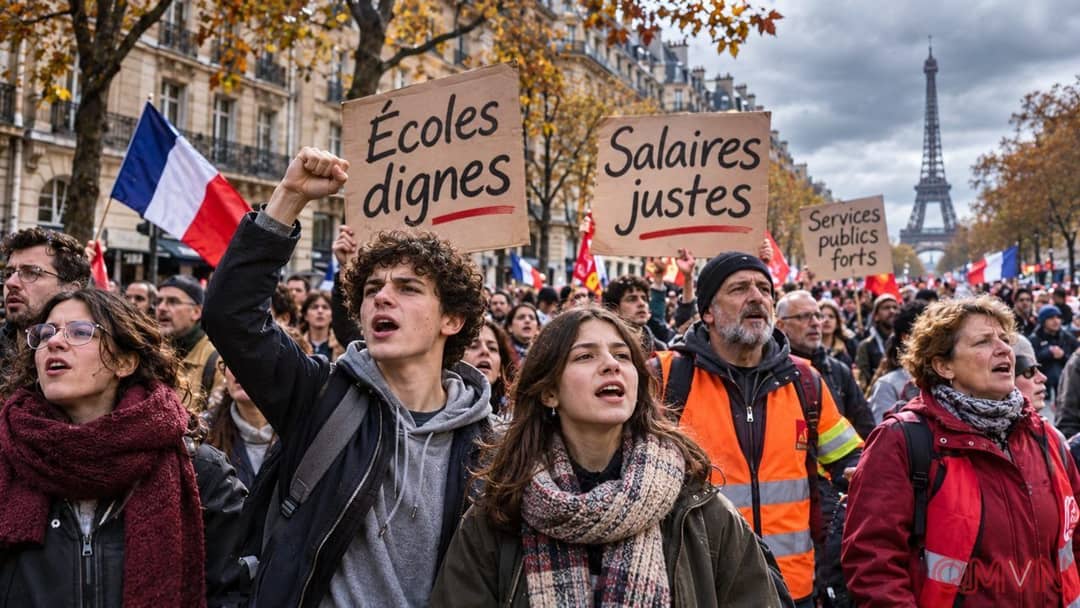
The November 5 general strike brought two streams of discontent together. Workers in transport, education, health care and public services joined students in the streets. The coalition changed the political question: it was no longer simply when a classroom would be repaired, but whether citizens felt they were sharing in the economy's gains. Such common ground can give a movement staying power even when its members have different priorities.
Crowd estimates and the gap in trust
According to Le Monde, the Interior Ministry counted approximately 575,000 demonstrators on November 5, including 55,000 in Paris. The CGT estimated 1.6 million across the country.