A precedent from The Hague
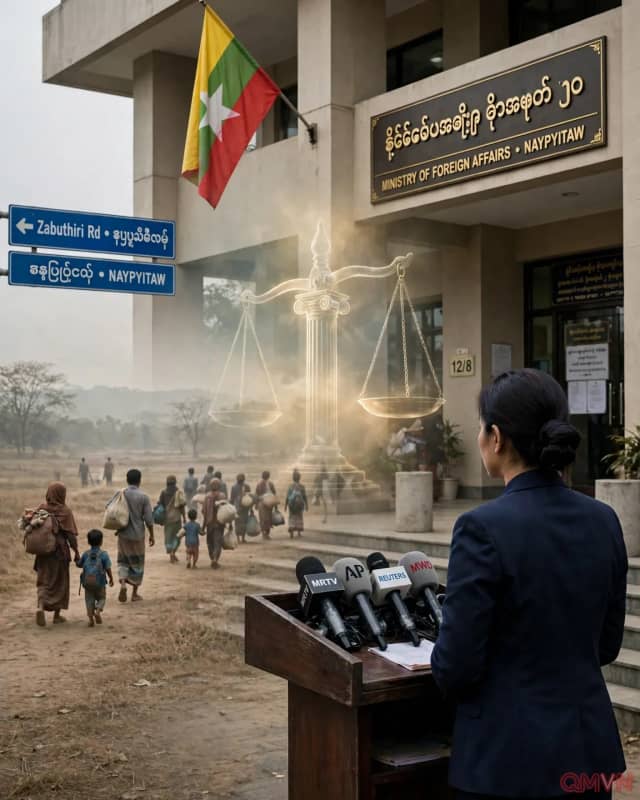
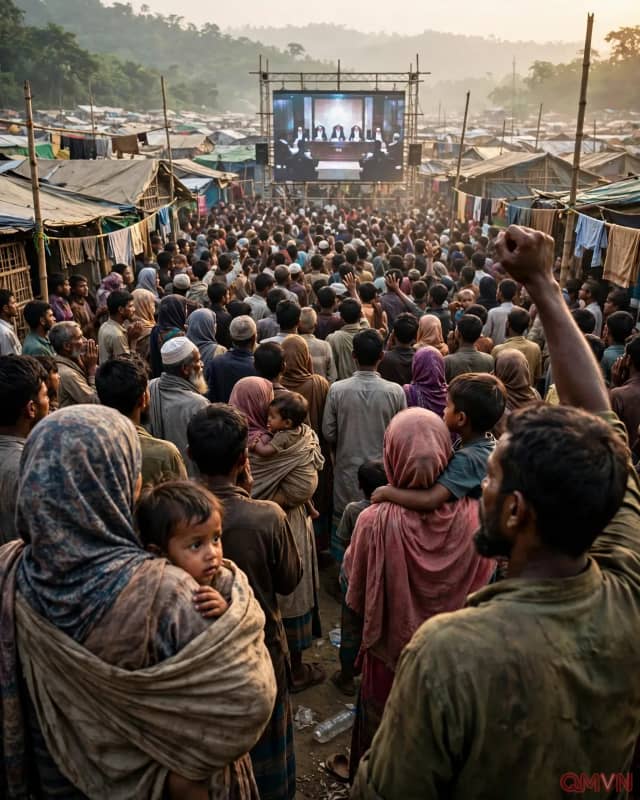
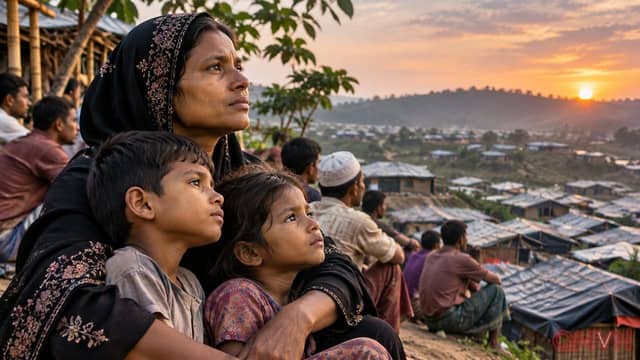
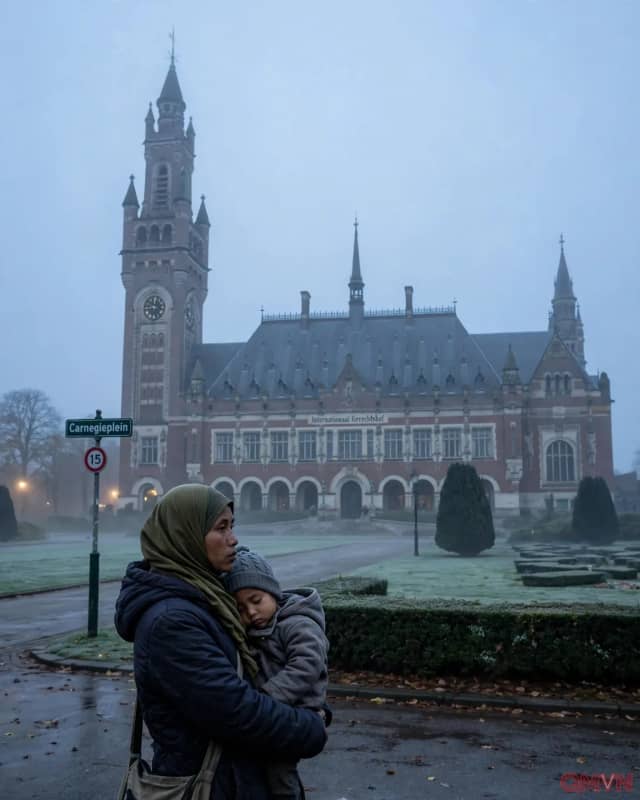
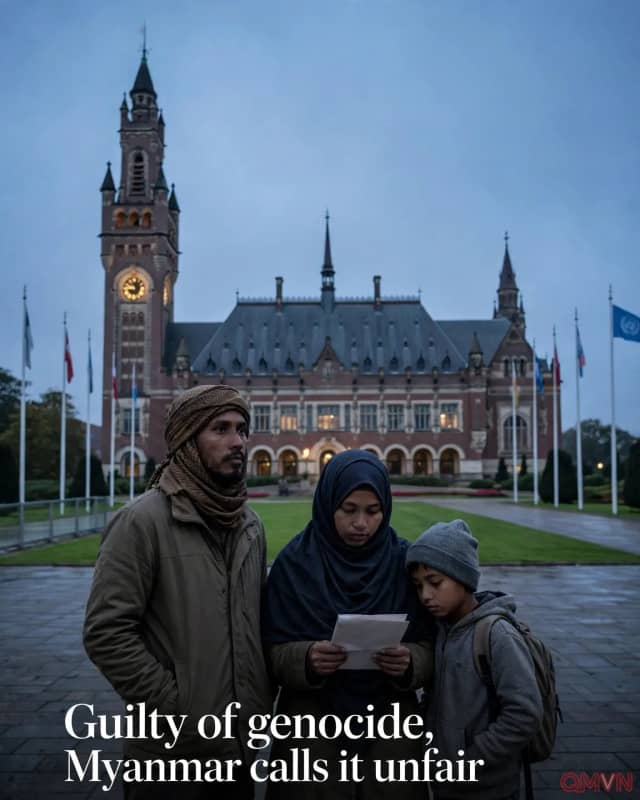
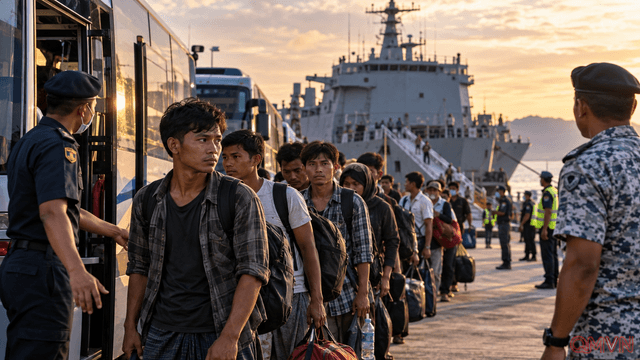
The Myanmar judgment concerned the military's 2017 campaign in Rakhine State, which drove more than 700,000 Rohingya into Bangladesh. Myanmar argued that its operations targeted armed insurgents, not the Rohingya as a group. The court, by a majority of nine judges to six, disagreed.
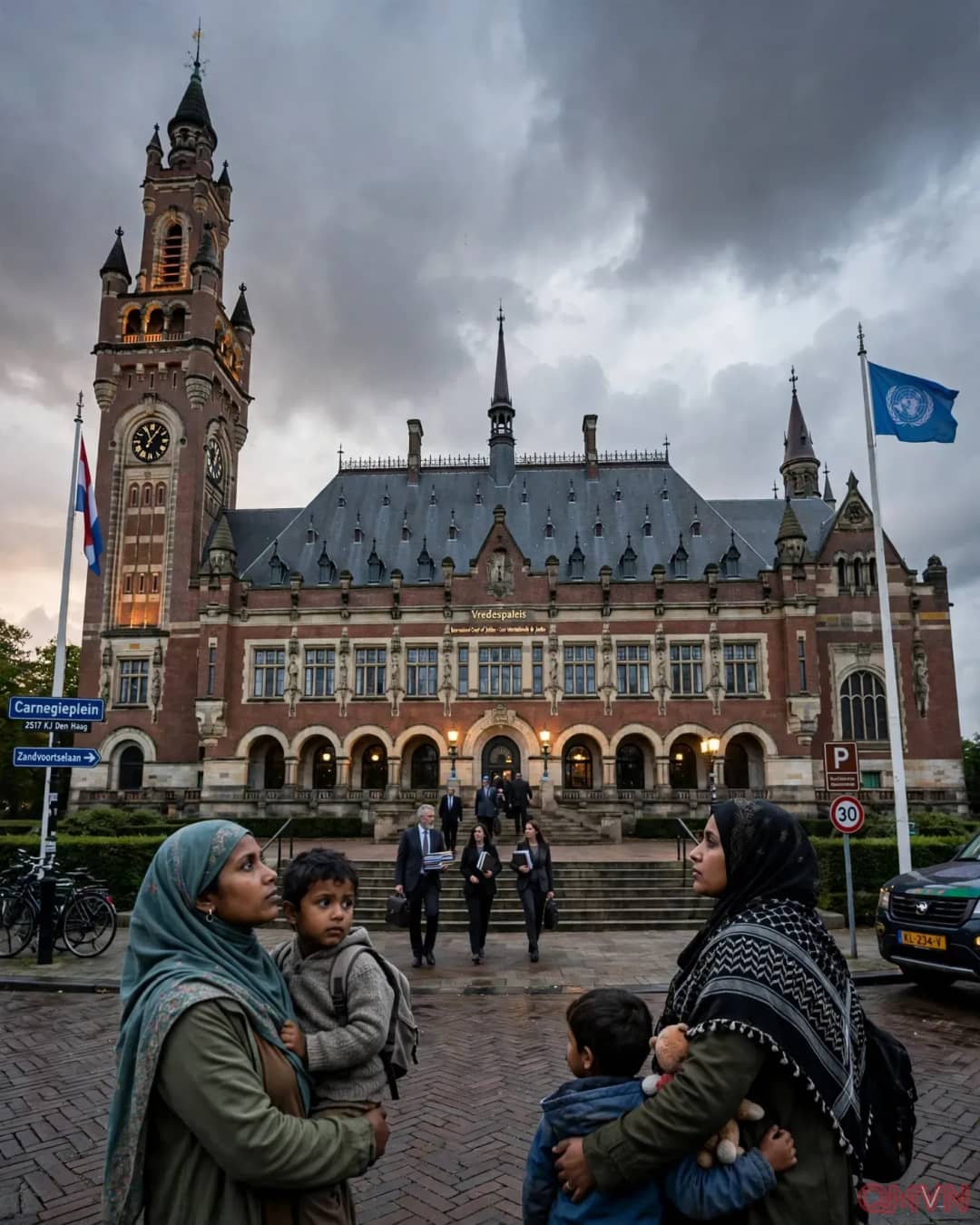
The judgment concerning Myanmar constitutes an important precedent.
Caner, a lawyer at Israel's Institute for National Security Studies, told Israeli media that the ruling could have implications for the proceedings against Israel, stressing that it was the first time the court determined that a state bears direct responsibility for committing genocide.
How the court read intent
Genocide requires proof of intent to destroy a group, in whole or in part, which has historically been the hardest element to establish. According to experts, the Myanmar ruling stands out for several reasons: