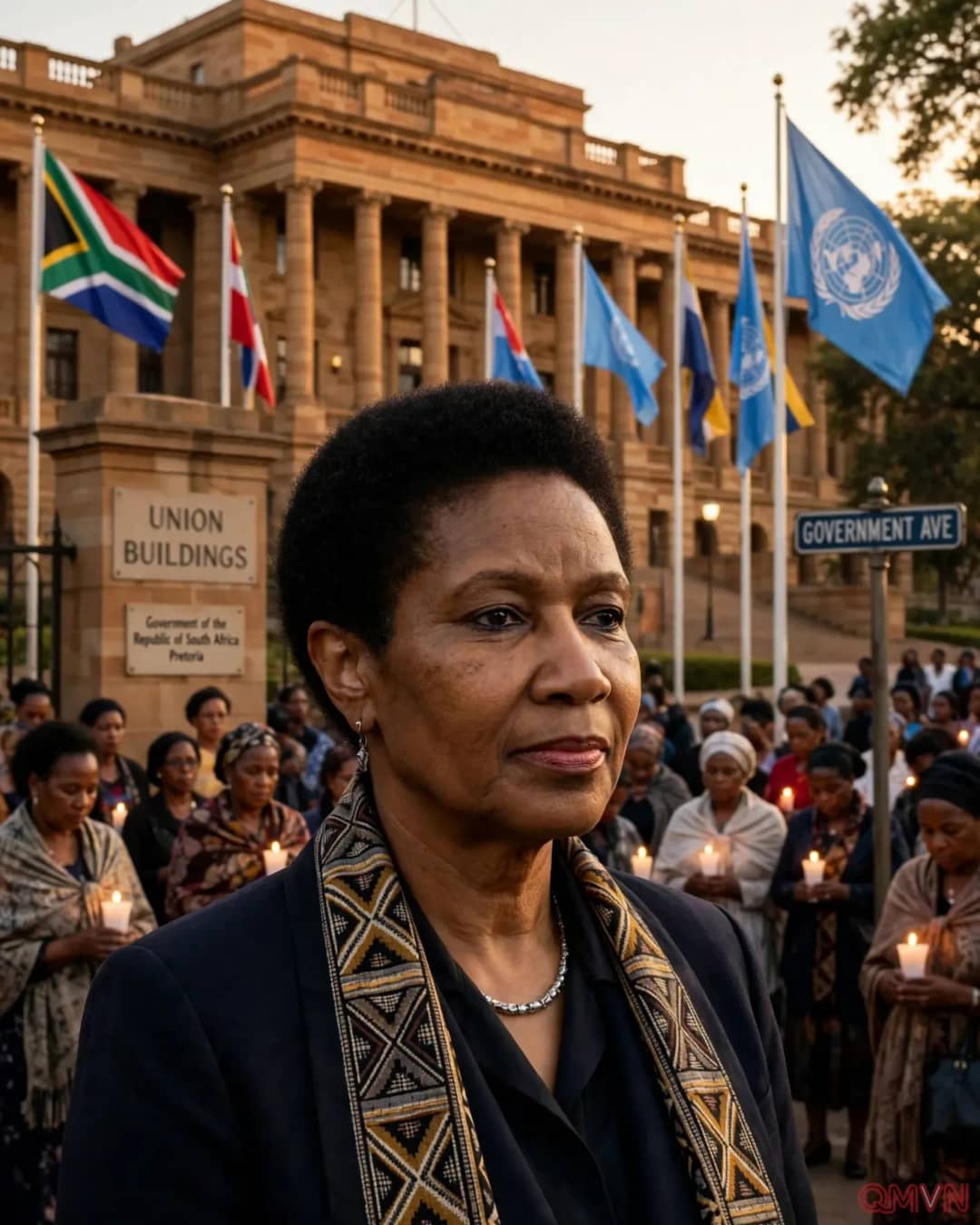
A nation mourns a pioneer
The South African presidency confirmed her death late on Friday. Details about the cause of death were not immediately available. For many South Africans, her name is synonymous with a moment of change: in 2005 she became the first woman to occupy the country's second-highest office, a powerful symbol for a nation that had only recently emerged from apartheid.
Her career bridged two worlds that rarely meet, the gritty politics of a young democracy and the corridors of international diplomacy. In both, she kept returning to the same theme: that poverty and inequality cannot be overcome without placing women at the centre of policy.
From the classroom to Parliament
Mlambo-Ngcuka began her working life as a teacher, an experience that shaped her lifelong belief in education as the most powerful tool for change. During the apartheid years she was active in civil society and women's organisations, including work with the Young Women's Christian Association, building networks that would later serve her in government.
When South Africa held its first democratic elections in 1994, she was elected to Parliament. She quickly gained a reputation as a capable and pragmatic policymaker, moving into the executive branch as the new government sought to rebuild an economy shaped for decades by racial exclusion.