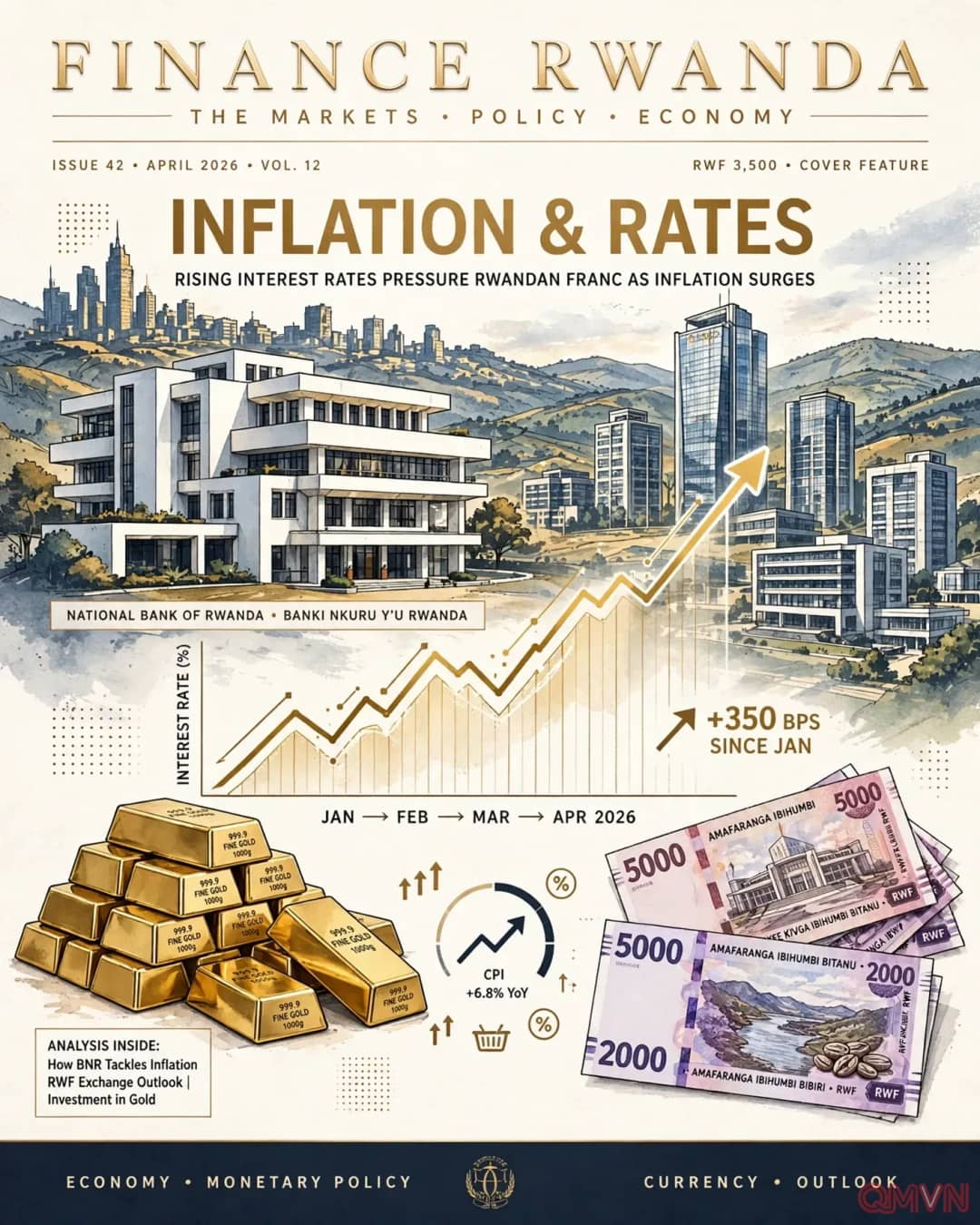
MAIN CONTENT
The cost of living moves to the forefront
Official statistics show that urban inflation accelerated from 17.2% in September to 19.5% in October. Food and non-alcoholic beverages became 28.9% more expensive over twelve months. For families with limited discretionary income, such increases can mean postponing purchases, changing diets or reducing savings. The burden of inflation is therefore not evenly distributed, even when the published index describes an average basket of goods.
The local outlet KT Press reported that fresh food prices had risen 39.9% and core inflation stood at 11.5%. The latter figure is particularly important because it excludes fresh food and energy. It suggests that price pressures extend beyond the categories most directly affected by supply disruptions. When businesses expect their expenses to keep climbing, they may adjust prices in anticipation rather than simply respond to costs already incurred.
Two instruments, one objective
The new policy rate raises the reference cost of money in the banking system. Commercial lenders may pass some of that increase on to customers, discouraging borrowing and encouraging saving.