MAIN CONTENT
COP31 deadlock amid 1.5°C overshoot, emission cuts, and CCUS disputes
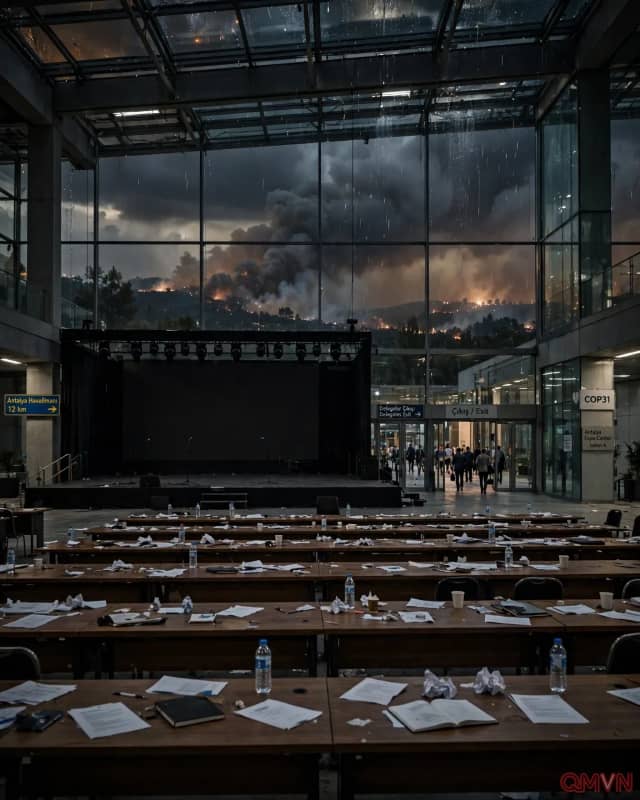
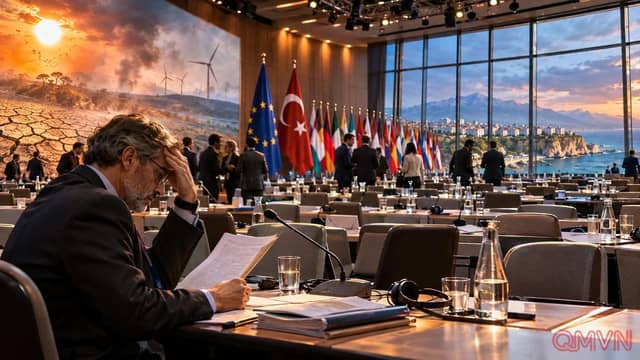
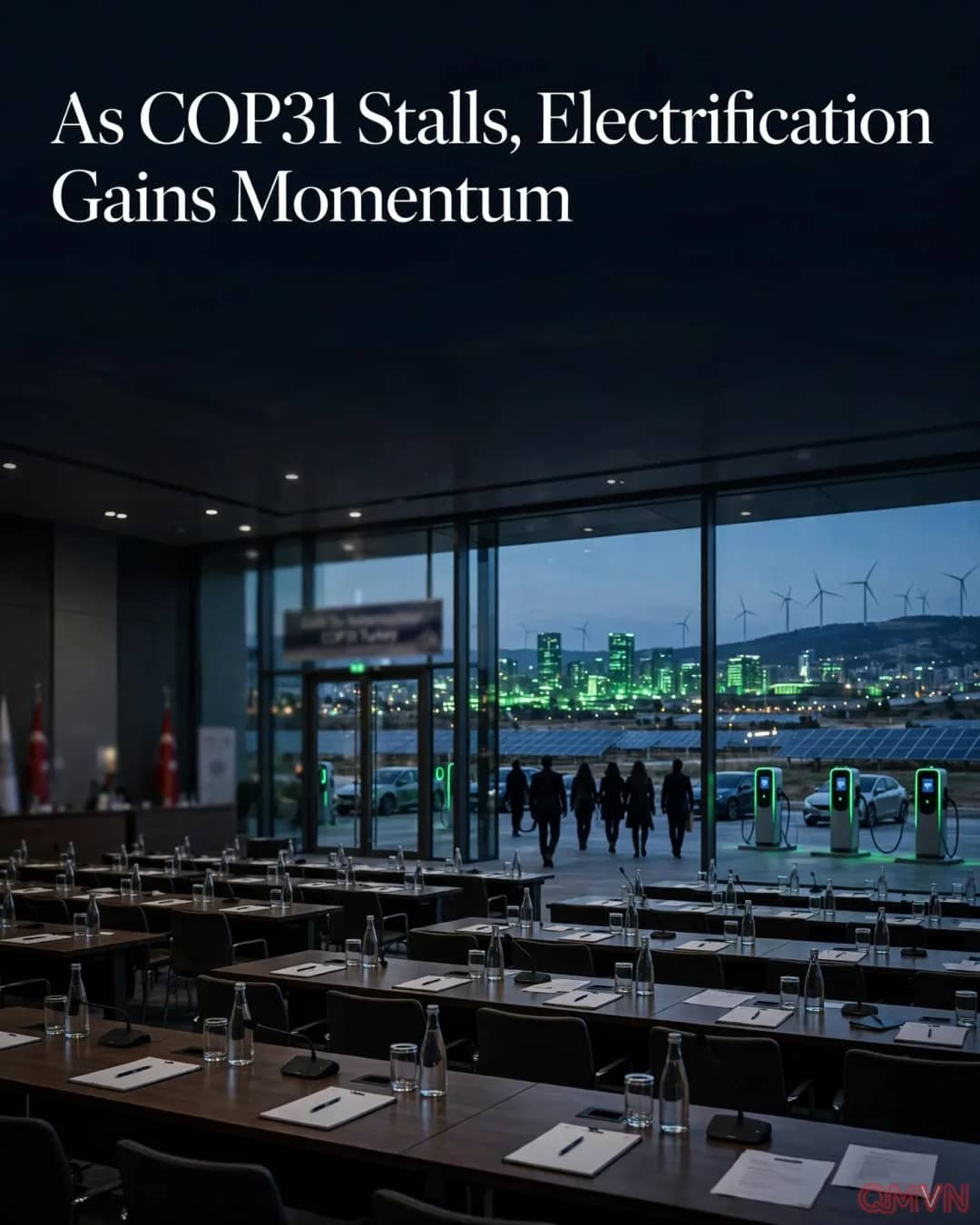
COP31 in Turkey ended on November 23, 2026, as the longest-running climate summit without agreement on either language or money, taking place as the world overshoots the 1.5°C Paris Agreement limit amid a record-breaking El Niño and a fossil-fuel energy crisis triggered by war. Potsdam Institute director Johan Rockstrom warned that because the world is moving in the wrong direction, emissions must fall 6% annually until 2035 and reach net zero by 2050—comparable to the roughly 6.5% drop seen during first-half 2020 COVID-19 lockdowns.
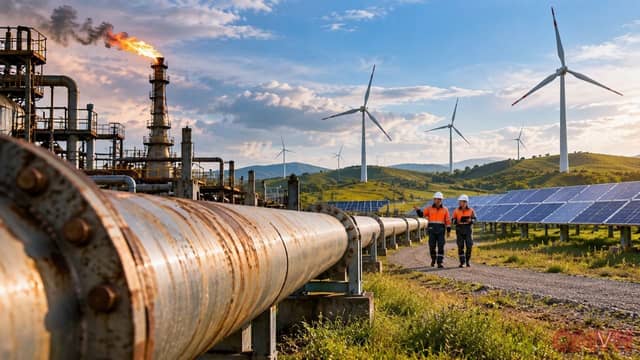
Even if that trajectory peaks around 1.8°C, atmospheric carbon removal must reach roughly 3.5 billion metric tons a year by 2050, far above today's ~2 million tons per year from direct air capture and biochar. Inside talks, some petrostates pushed for accelerated carbon capture, utilisation and storage (CCUS)—starting at 500 million tons of CO2 by 2035 toward gigaton scale—drawing pushback over prolonged fossil fuel use and enhanced oil recovery, while ExxonMobil reportedly filed a legal challenge under investor-state dispute rules against EU mandates requiring oil and gas majors to contribute to 50 million tons of CO2 storage infrastructure by 2030.
"We are still moving in the wrong direction and the pace of transition is therefore even steeper, which of course makes it even more challenging" — Johan Rockstrom, director of the Potsdam Institute for Climate Impact Research.