MAIN CONTENT
A compromise shaped by hard times
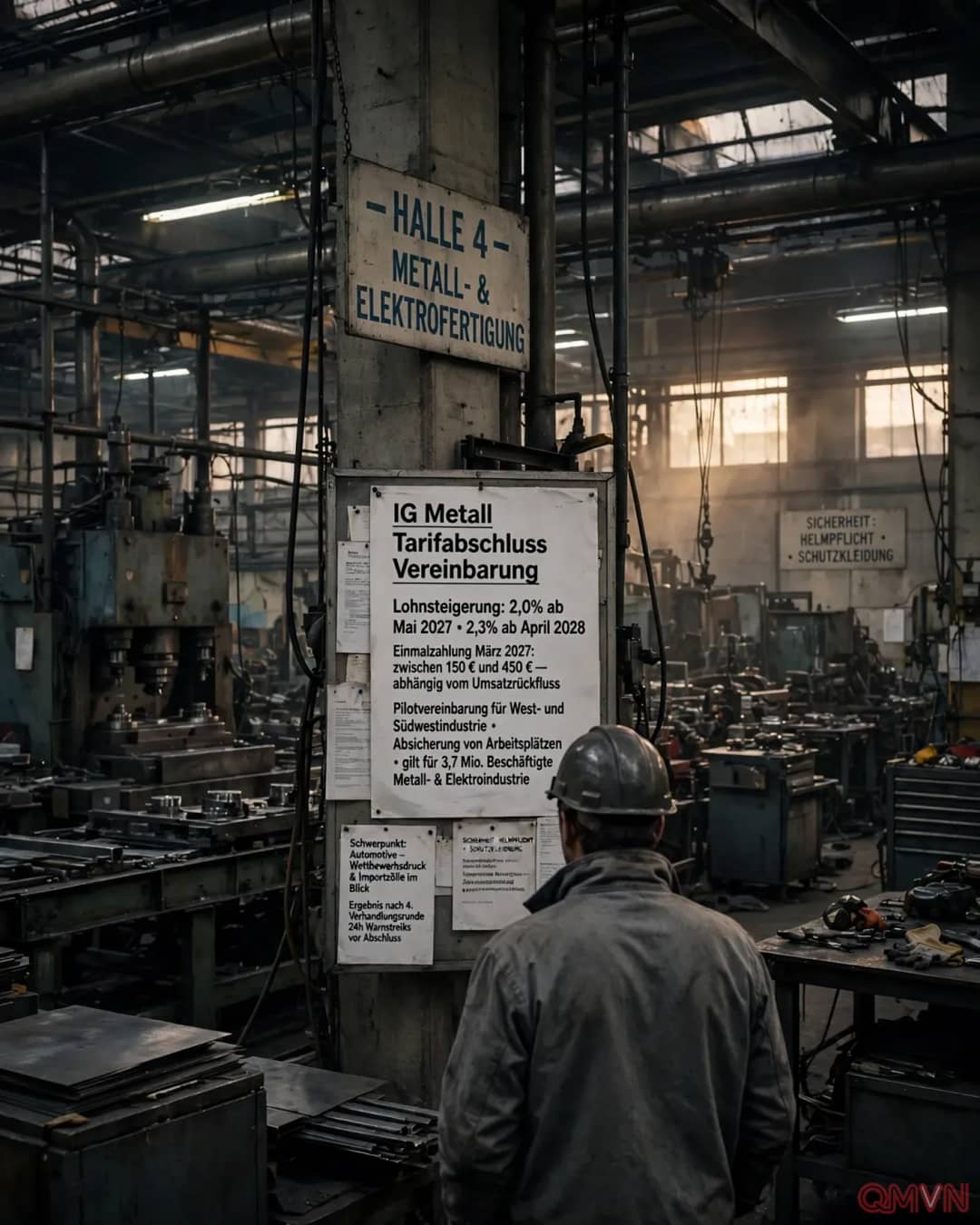
The settlement falls well short of the union's original demand. In September, IG Metall called for a 5% pay rise over a twelve-month term, binding commitments to safeguard jobs and production sites, and a collectively agreed profit-sharing scheme for companies that were still performing strongly.
The final package spreads smaller increases over a longer period. The first rise of 2.0% will take effect only in May 2027, leaving months without a permanent increase, while the second step of 2.3% follows in April 2028. One-off payments in March 2027 are intended to bridge part of that gap.
Linking those payments to return on sales reflects the uneven health of the sector. Firms with stronger margins will pay more, while those under pressure can pay less, an attempt to share the burden of the downturn without forcing struggling companies into further cuts.
Escalation before agreement
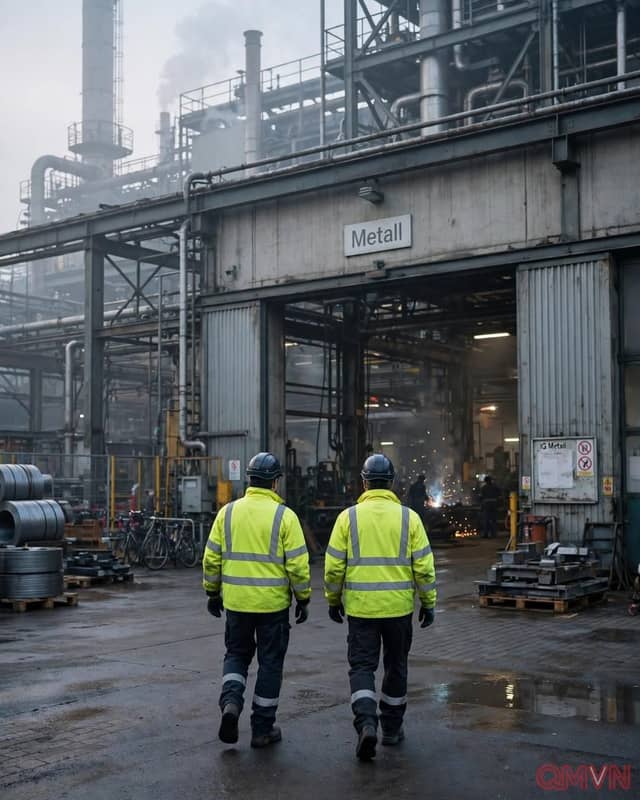
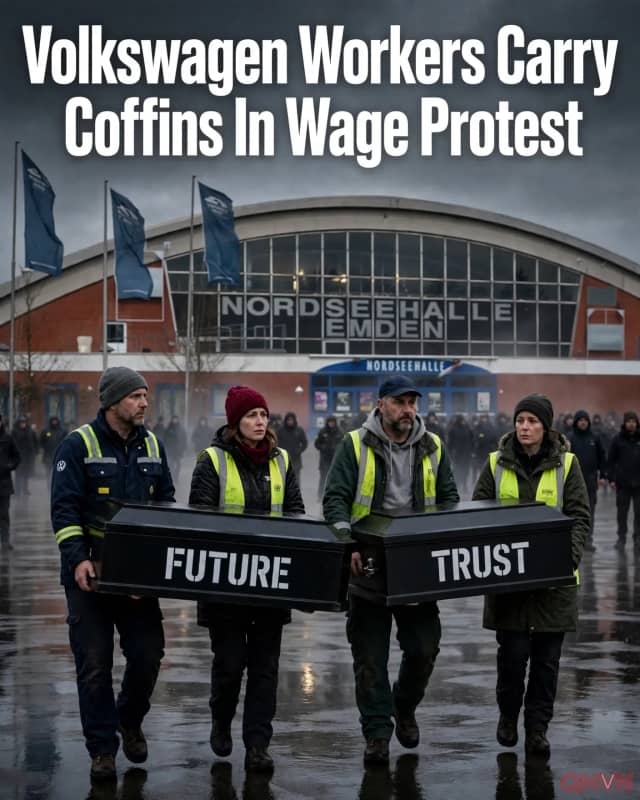
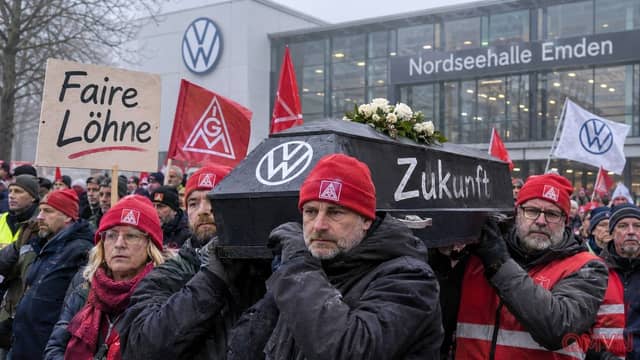
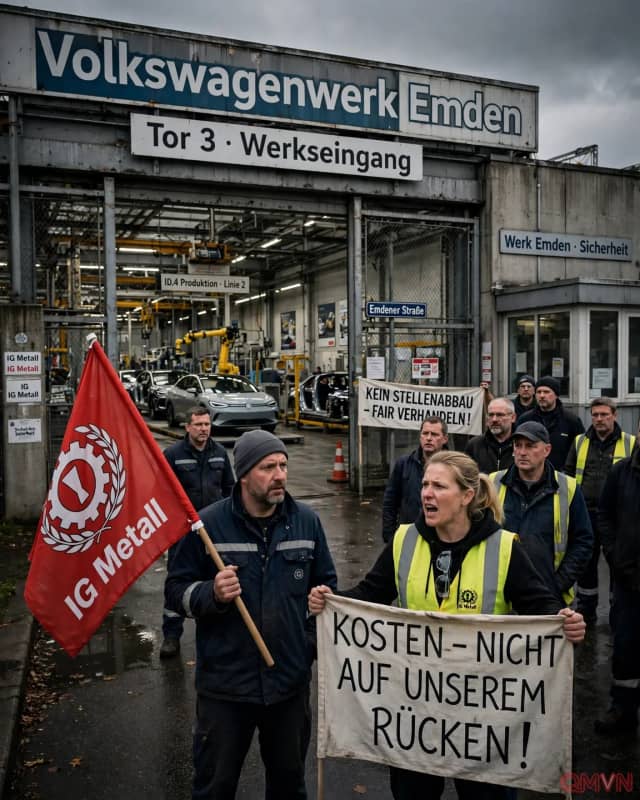
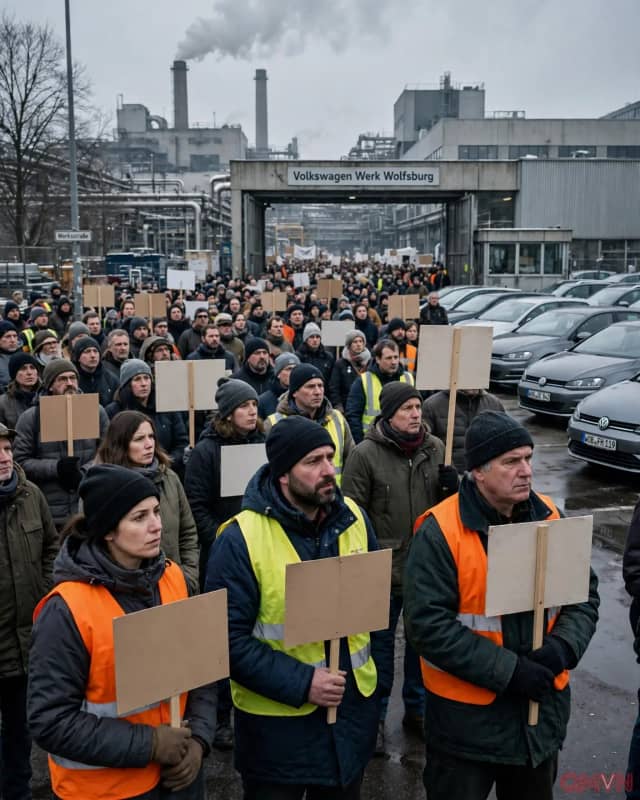
Negotiations began on October 7, and the peace obligation expired at the end of October, allowing warning strikes from the first day of November. Within days, hundreds of thousands of workers had walked out at plants across Germany, from carmakers to machinery manufacturers.