MAIN CONTENT
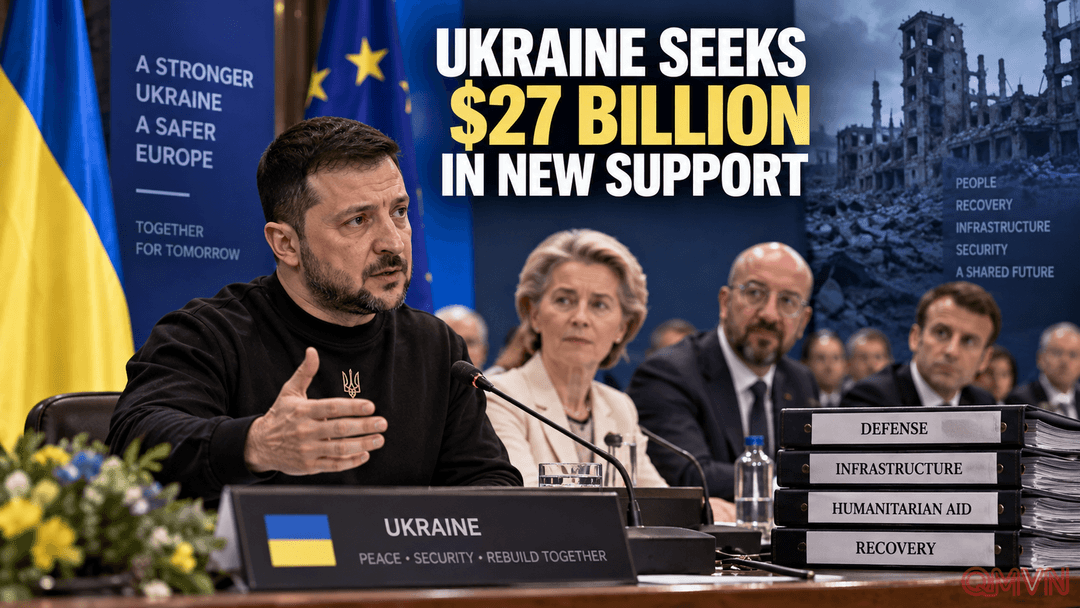
How the $27 billion gap emerged
Ukrainian officials say military spending in 2026 has risen much faster than planned. Reporting cited by Reuters indicates defense expenditures during the first eight months were more than 17% higher than a year earlier. Some money intended for later in the year was spent sooner, while the battlefield demanded more ammunition, air defense and unmanned systems. The government therefore needs additional resources to keep soldiers paid and prevent critical units from running short.
Pressure also comes from beyond the front. Russian attacks on industry, energy facilities and export routes have reduced revenues Kyiv expected to collect. An economy operating under missile and drone attacks has limited room to raise taxes or borrow domestically without placing more strain on households and businesses. The $27 billion hole therefore reflects both rising military requirements and an economic base repeatedly damaged by the war.
From Patriot missiles to drones, technology raises the bill
The funding requirement is closely tied to the changing character of the conflict. Ukraine needs interceptors for air-defense systems such as Patriot while expanding drone production to counter Russian attacks and sustain operations along a long front. Defense Minister Yevhenii Khmara has urged partners to finance Ukrainian drone manufacturing and release additional air-defense missiles from existing stocks.