MAIN CONTENT
Rescue comes first as fire threatens the tanker
ADNOC L&S, part of Abu Dhabi's state-owned energy group ADNOC, confirmed on November 18 that a vessel in its operations had been attacked while travelling through Hormuz the previous evening. It said 11 personnel had been injured and one remained unaccounted for. Other crew members were evacuated. The company did not initially identify the vessel or publish a detailed account of the attack, leaving some important facts to be established by investigators.
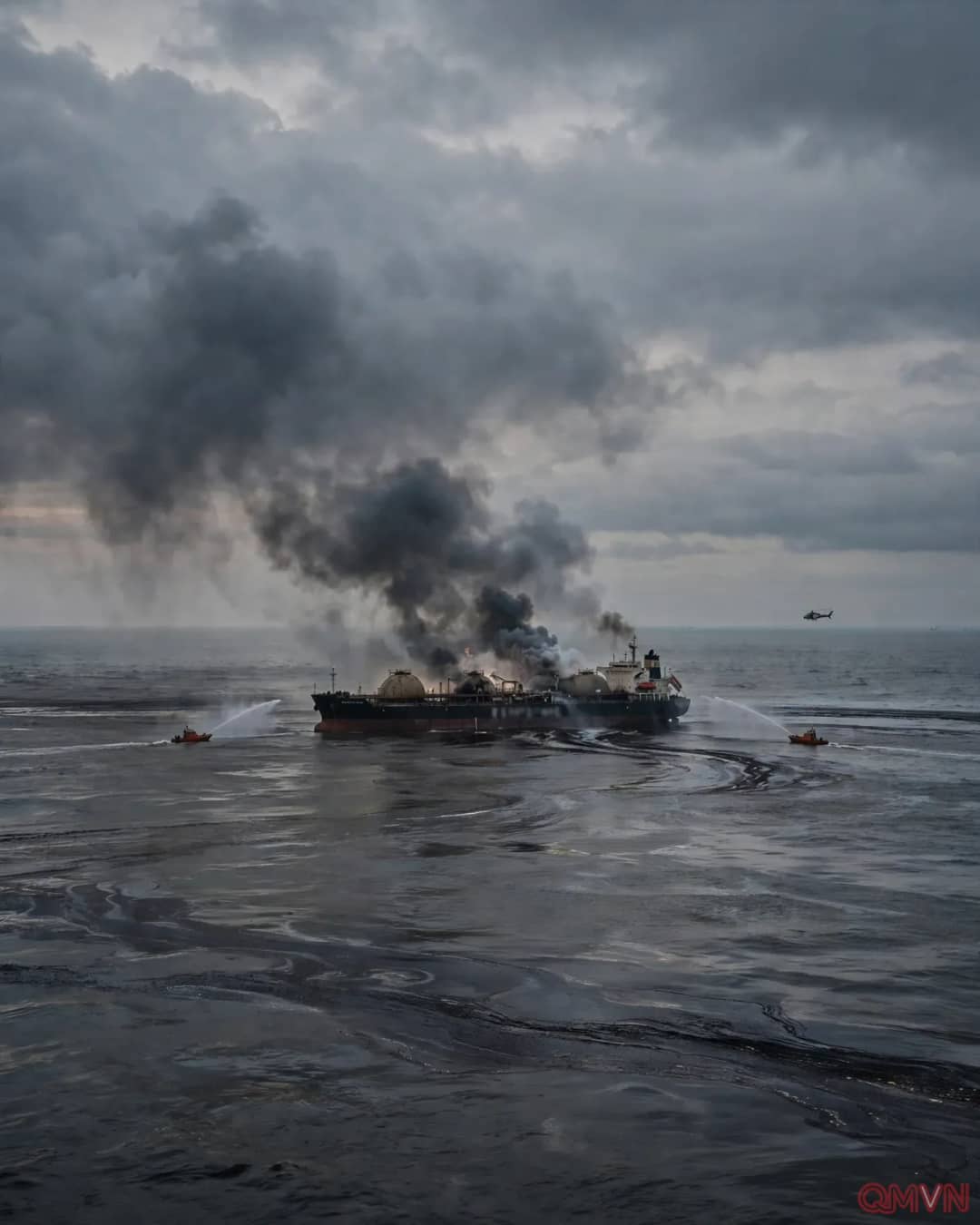
Oman's emergency authorities separately identified the Panama-flagged Tara Gas as a tanker involved in the emergency and said they had rescued 24 crew members. The effort to locate one missing person continued while firefighting teams worked on the burning ship. The figures describe injuries, rescues and the outstanding search; they should not be added together as if they referred to separate groups of people. The condition of those injured, the missing person's identity and the ultimate outcome were not established in the initial reports.
What is known about the strike—and what remains uncertain
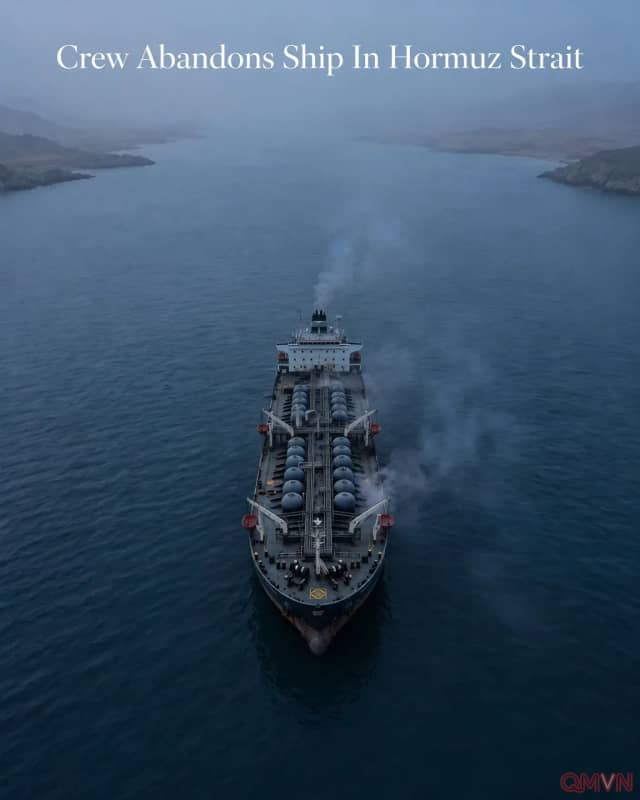
Maritime security sources told Reuters that the crew of Tara Gas abandoned the LPG carrier after a projectile struck it while it was navigating the strait on Tuesday. An account from UK Maritime Trade Operations, the British military-linked maritime reporting service, described a tanker that had become disabled and subsequently caught fire after attacks in waters north of Khasab, Oman.
These reports establish the seriousness of the danger but do not, by themselves, identify the attackers or prove that every account concerns precisely the same sequence of events.
Iran's Revolutionary Guards and navy also reported fires involving an LNG carrier and two oil tankers, claims Reuters said it could not independently verify. Attribution matters: different types of gas carriers, ships and incidents can be confused during a fast-moving crisis. The publicly available information cited here does not establish who fired the projectile that reportedly struck Tara Gas, the precise damage assessment or whether the vessel can be salvaged. Verified updates from maritime agencies and rescuers remain crucial.
A narrow passage with consequences far beyond its shores
The Strait of Hormuz connects the Persian Gulf with the Gulf of Oman and wider global shipping lanes. Before the present conflict, approximately a fifth of the world's oil and gas supplies moved through the waterway, according to Reuters' account. Disruptions therefore affect not only Gulf producers but also refiners, utilities, shipping companies and consumers in importing economies. Even when alternative pipelines or routes absorb some exports, they cannot automatically replace normal maritime access.
The effects are also operational rather than purely financial. Owners may delay sailings, crews face heightened physical risk, insurers reassess exposure, and emergency vessels must work in potentially dangerous waters. An LPG tanker carrying pressurised fuel poses particular firefighting and environmental concerns if damaged. No confirmed spill or cargo release was reported in the material reviewed, however, and it would be premature to assume one occurred. Those distinctions matter to coastal communities and to an accurate assessment of the wider damage.
Security warnings highlight the limits of commercial safeguards
The attack followed a series of warnings about tankers near Hormuz. UKMTO issued November 16 advisories describing a projectile strike and a separate report of a disabled tanker with an engine-room fire north of Khasab. Such notices help vessels understand immediate hazards, but they cannot guarantee safe passage through a conflict zone. Publicly available warnings also may not contain complete ship identities or independently verified accounts of responsibility.
For operators, the practical response includes tracking authoritative notices, checking routes and crew communications, preparing evacuation and medical arrangements, and coordinating with flag states and coastal authorities. For governments, the challenge is to protect seafarers and sustain trade without treating civilian vessels as acceptable instruments of confrontation. The case underscores how a single maritime incident becomes at once a rescue operation, a security concern and a test of international commercial resilience.