MAIN STORY
A cheaper dose could stretch limited budgets
UNICEF and Geneva-based vaccine alliance Gavi say the negotiated price of Mosquirix should fall to €5.50, about $6.16, per dose, a roughly 40% reduction. UNICEF is responsible for the procurement agreement, financially supported by Gavi. The partners anticipate approximately $50 million in savings over 2027–2029. In countries with substantial malaria transmission, that potentially translates into resources available for more vaccine doses, outreach teams and stronger routine immunization systems.
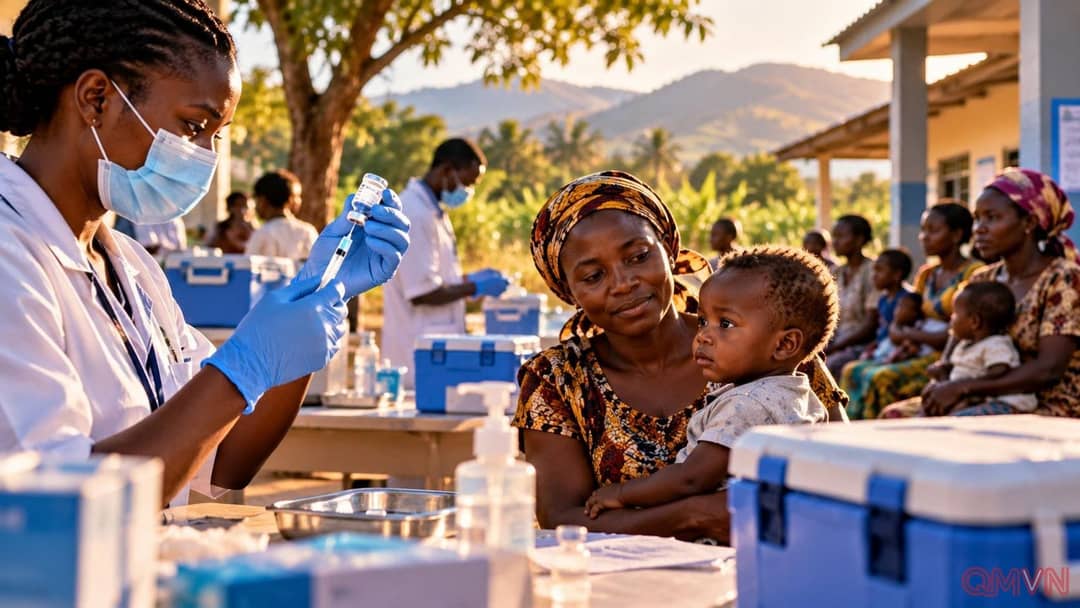
The financial effect should not be mistaken for an automatic health outcome. Reaching remote communities requires trained vaccinators, dependable cold storage, transportation and follow-up visits. A lower unit price becomes meaningful only when national programmes can convert it into completed courses for children who are otherwise difficult to reach.
Manufacturing transfer makes the agreement possible
GSK developed Mosquirix with the nonprofit PATH. Production technology is being transferred to Bharat Biotech in India, with GSK continuing to supply the vaccine's immune-boosting adjuvant after the Indian manufacturer assumes full production, which is envisaged by 2028.
The shift is intended to broaden the manufacturing base and reduce costs without compromising quality.
For now, the negotiated price is conditional. The new production arrangements must pass manufacturing and regulatory checkpoints, including World Health Organization prequalification of the facility, before UNICEF begins purchasing the transferred product. Complex vaccines require closely controlled processes; additional manufacturing capacity only improves public health when consistency, safety and dependable delivery are established.
A major step in a much larger malaria struggle
WHO recommends both RTS,S and R21 malaria vaccines for children in endemic areas, prioritizing places with moderate or high transmission. Its standard schedule includes four doses beginning at around five months of age; some higher-risk settings may consider a fifth dose. Vaccination is designed to work alongside insecticide-treated nets, vector control, testing and effective treatment, rather than replace them.
The scale of need is sobering. WHO estimated 282 million malaria cases and 610,000 deaths worldwide in 2024, with Africa accounting for roughly 95% of fatalities. Children remain especially vulnerable. As of February 2026, 25 African countries were offering malaria vaccines through childhood immunization programmes, targeting more than 10 million children annually. Supply has improved with two recommended products available, but financing continues to constrain the pace and reach of national rollouts.
The ultimate measure is lives protected
The newest discount follows an earlier UNICEF-Gavi agreement in 2025 that reduced the price of a different malaria vaccine. Together these arrangements illustrate how procurement, competition and technology transfer can influence whether major scientific advances become routinely available in lower-income health systems.
Important uncertainties remain. Each country must organize appointment reminders, maintain the cold chain and ensure children receive their later doses, even when families live far from clinics. Tracking adverse events and outcomes matters as much as negotiating prices. The achievement worth celebrating will not be a cheaper vial sitting in storage, but fewer children developing severe malaria and more families spared preventable loss.