The Delicate Balance Between Policy Mandates and Market Realities
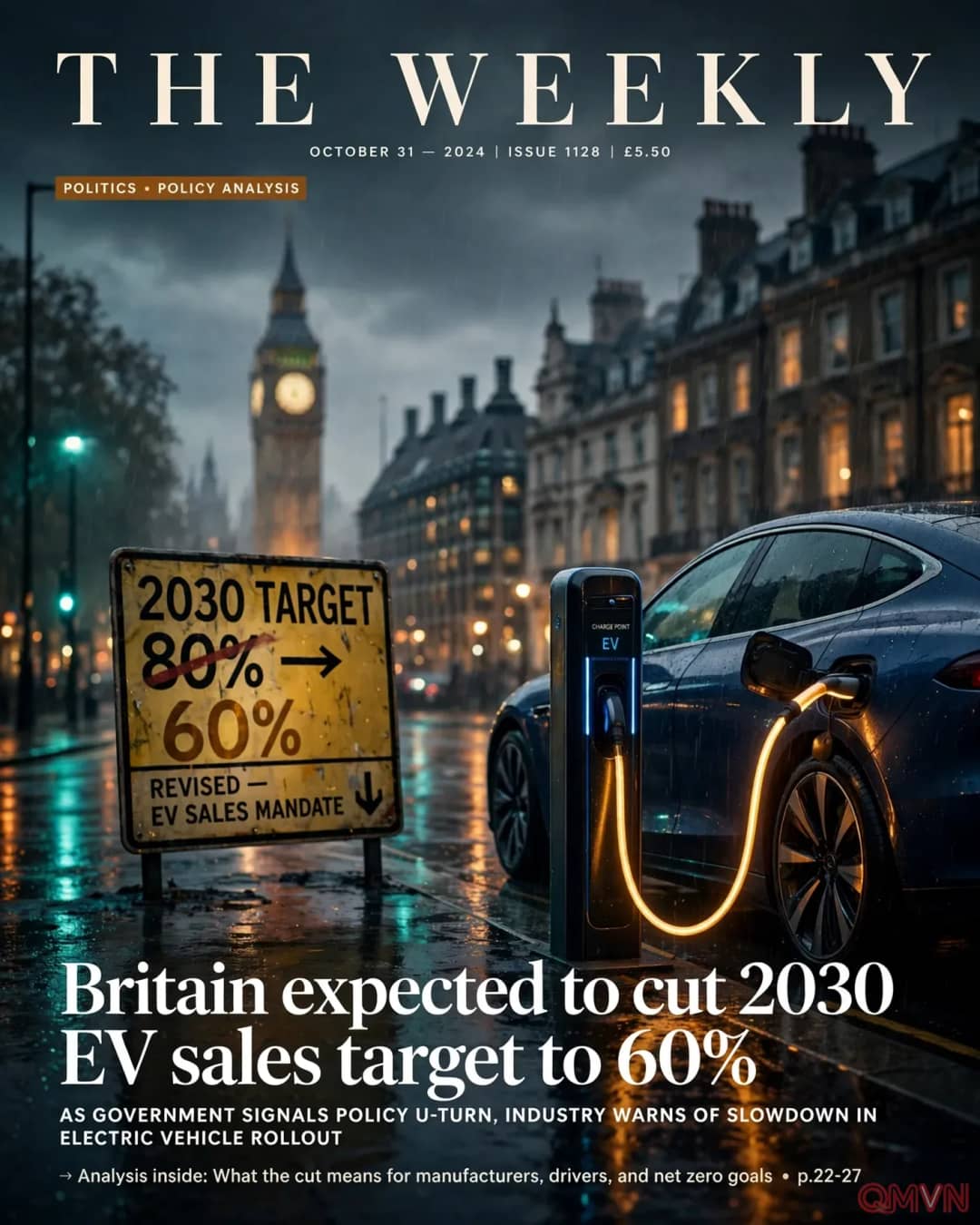
The prospective reduction of the 2030 zero-emission vehicle threshold to around 60% embodies a pragmatic acknowledgment of contemporary economic headwinds. According to verifiable industry statistics released by the Society of Motor Manufacturers and Traders (SMMT), battery-electric models accounted for merely 26.6% of new automobile registrations year to date, lagging noticeably behind the statutory 33% target established for 2026. This growing discrepancy has trapped international automotive brands between aggressive decarbonization benchmarks and punitive regulatory fines.
The structural disconnect between governmental timetables and authentic consumer purchasing capacity has exposed notable vulnerabilities within rigid policy mechanisms, prompting calls for more adaptable oversight frameworks.
*“No decision has been made at this point.” Andy Burnham*
Infrastructural Bottlenecks and Manufacturing Cost Pressures
The primary friction dampening mass commercial adoption stems not solely from premium vehicle showroom prices, but crucially from widespread public anxiety over charging infrastructure density. Potential car buyers across suburban and rural communities continue to express deep apprehensions regarding charging accessibility, reliability, and regional travel ranges, restraining widespread retail sales acceleration beyond corporate fleet acquisitions.