MAIN ARTICLE
A dance that closed the doors
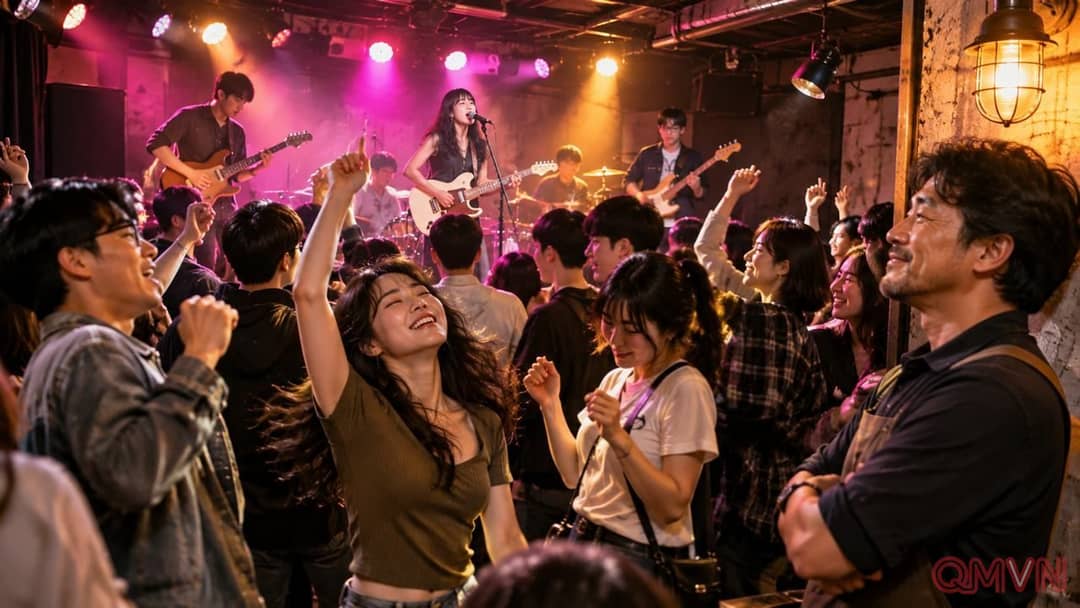
Since opening in 2018 in Busan's Nam-gu district, Ovantgarde has hosted independent acts including Say Sue Me and Hathaw9y. Following a performance on August 7, 2026, local officials determined that spectators had been dancing. The venue was ordered closed from August 26 through October 24, with potentially harsher penalties threatened for repeat violations.
What made the case striking was the ordinariness of the behavior: concertgoers moved furniture aside, stood closer to the musicians and responded physically to the music. For performers, that exchange is part of the concert itself. For inspectors, it was treated as a question of the business license under which the venue operated.
A legal gap between restaurants and stages
Many smaller live clubs register as general restaurants because selling drinks and food helps them survive. The accompanying regulations under the Food Sanitation Act, however, restrict customer dancing in such premises. Becoming a licensed entertainment bar carries additional taxes, zoning restrictions and limits on admitting minors.
Registering as a formal performance hall can be equally difficult for small basement rooms because building and fire-safety requirements may be onerous, while food and drink arrangements differ. Seoul's Mapo district introduced a narrow local exception in 2015, but this does not amount to blanket nationwide permission for every kind of live performance.