MAIN ARTICLE
A summit that could not close on schedule
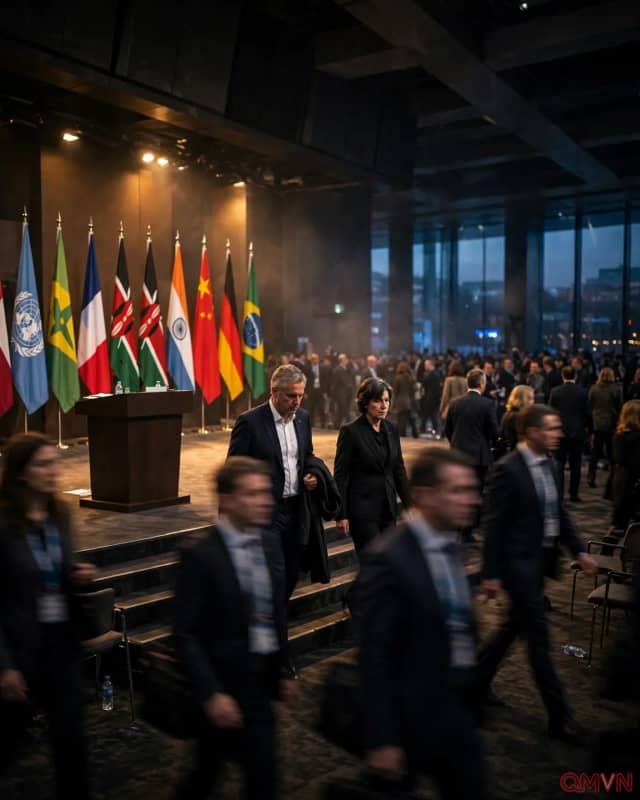
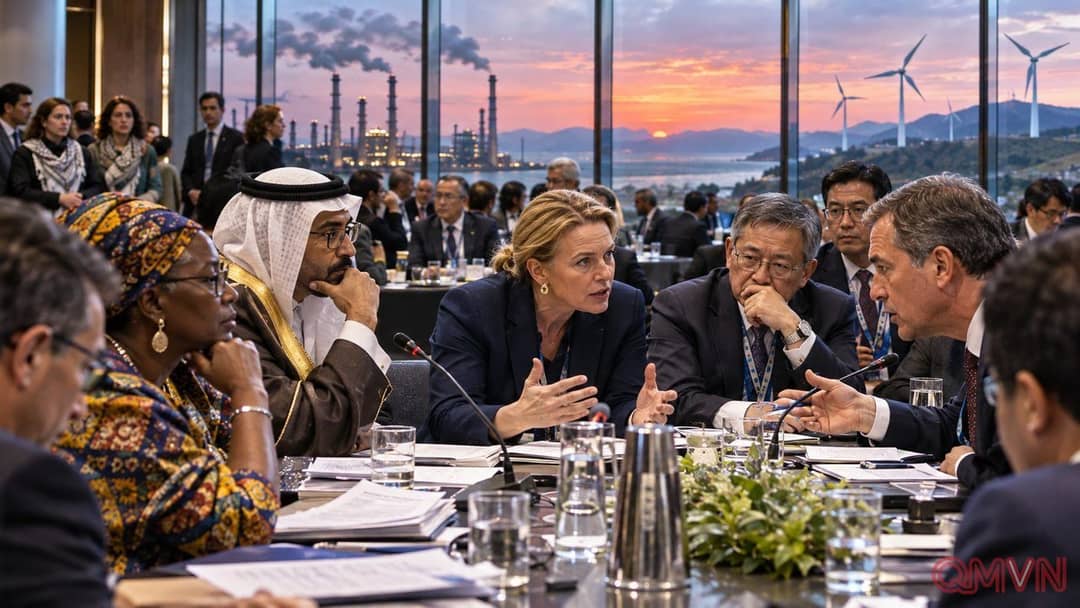
Friday's scheduled finish passed without a comprehensive agreement. A late plenary approved limited technical matters, but diplomats were still trying to resolve the overarching political decision. COP31 president Murat Kurum, Turkey's environment minister, acknowledged that the finish line was near but not yet reached. Overtime is familiar at United Nations climate conferences, where final decisions must accommodate a broad range of national interests and are generally adopted by consensus. The procedural delay nevertheless matters: language accepted by all parties determines the political direction of future policy, even when it does not itself create an immediately enforceable national law.
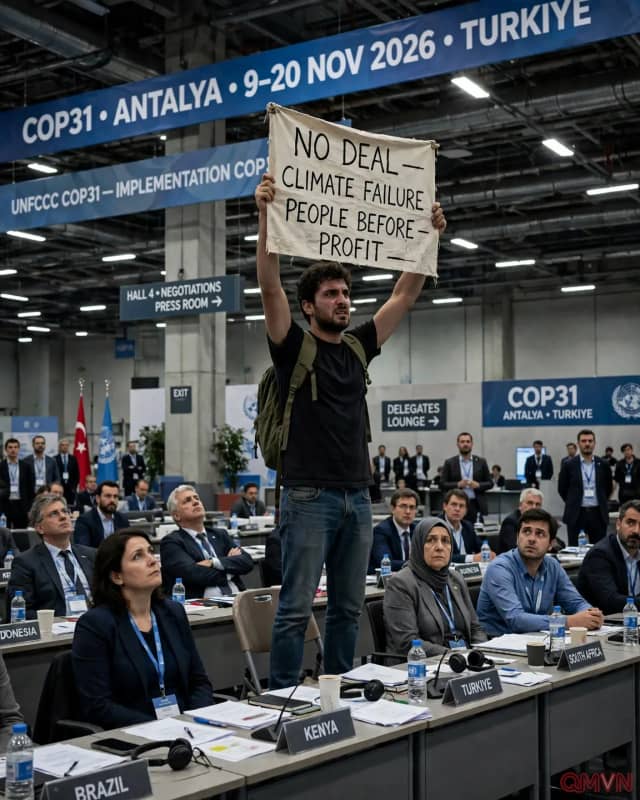
Outside the plenary, environmental campaigners held a silent protest against the draft. Another protester interrupted Kurum's remarks to criticize the lack of action. Their frustration reflects the gap between formal negotiating schedules and the daily experiences of communities confronting disasters. For people facing flooding, prolonged heat, water stress or expensive food supplies, an additional negotiating night may seem small; another year without reliable implementation can carry much greater costs.
The battle over naming fossil fuels
Australia, which shares the COP31 leadership and coordinates the negotiations, had advanced an earlier draft calling for faster action to phase out fossil fuels. A shorter text circulated on November 19 removed direct references following objections from Saudi Arabia and other producers. This change is not simply editorial.
Explicit language could shape government investment plans, public accountability and future diplomatic pressure. A broad pledge that avoids naming the energy sources responsible for most carbon dioxide emissions may be more acceptable to competing delegations, but critics fear it would also be weaker.
The European Union warned that the talks risked becoming a summit that shields fossil fuels rather than confronts them. Panama and other countries signed a letter requesting a clear transition and suggested they might reject an inadequate outcome. Exporting countries, however, must consider revenue, jobs and energy security, and many want the transition described in terms that recognize national circumstances. The stalemate exposes how climate science collides with established economic structures; a country reliant on petroleum exports faces a different immediate calculation from an island nation threatened by rising seas.
The promise and limits of electrification
One compromise proposal would increase electricity's share of final global energy use to 35% by 2035. The idea is to replace petrol engines, diesel machinery and direct gas heating with electric alternatives. Australian climate minister Chris Bowen argues that electrification is crucial to moving beyond fossil fuels. Yet its emissions benefits depend on how electricity is generated. An electric vehicle charging from a coal-intensive grid will not deliver the same climate gains as one charged through a system supplied largely by renewables or other low-carbon generation.
That distinction explains why some negotiators want the target to specify clean electricity. The draft also raises the contentious role of carbon capture, a technology promoted as useful for hard-to-abate industries but criticized for cost, uncertain large-scale effectiveness and the risk of prolonging fossil fuel use. Vanuatu's climate minister Ralph Regenvanu has challenged what he calls false solutions. A measurable electricity target can help guide policy, but numbers alone do not guarantee cuts in emissions without clear standards and transparent monitoring.
Money, science and the limits of compromise
Developing nations argue that promises are insufficient without money for early-warning systems, flood defenses, hospitals, resilient infrastructure and disaster recovery. Ghana's environment minister Zanetor Agyeman-Rawlings said African countries could not accept declarations lacking the resources necessary for implementation. Negotiators also disputed an adaptation funding benchmark of $120 billion, which disappeared from the revised draft. The question is not merely the amount pledged: countries need predictable access to money on workable terms rather than uncertain announcements.
Delegations are additionally divided on the timing of reports from the Intergovernmental Panel on Climate Change, even as the text recognizes the danger of breaching the Paris Agreement's 1.5-degree-Celsius warming goal. An energy-price shock and international conflicts have made long-term cooperation harder. Still, the scientific and economic costs of postponing emissions cuts remain. The test for COP31 is whether a compromise preserves enough precision to guide governments and investors, instead of settling for language that conceals the disputes.