MAIN STORY
An American warning and Tehran’s rebuttal
The exchange followed comments by President Donald Trump suggesting that Iran might be looking into chemical or biological capabilities after damage to its nuclear program. Speaking publicly, Trump referred to indications of activity but did not disclose independently verifiable technical evidence. Reuters also reported that he appeared to play down the immediacy of a threat to Washington when questioned about it. His remarks are therefore a warning attributed to the US president, not a publicly demonstrated finding.
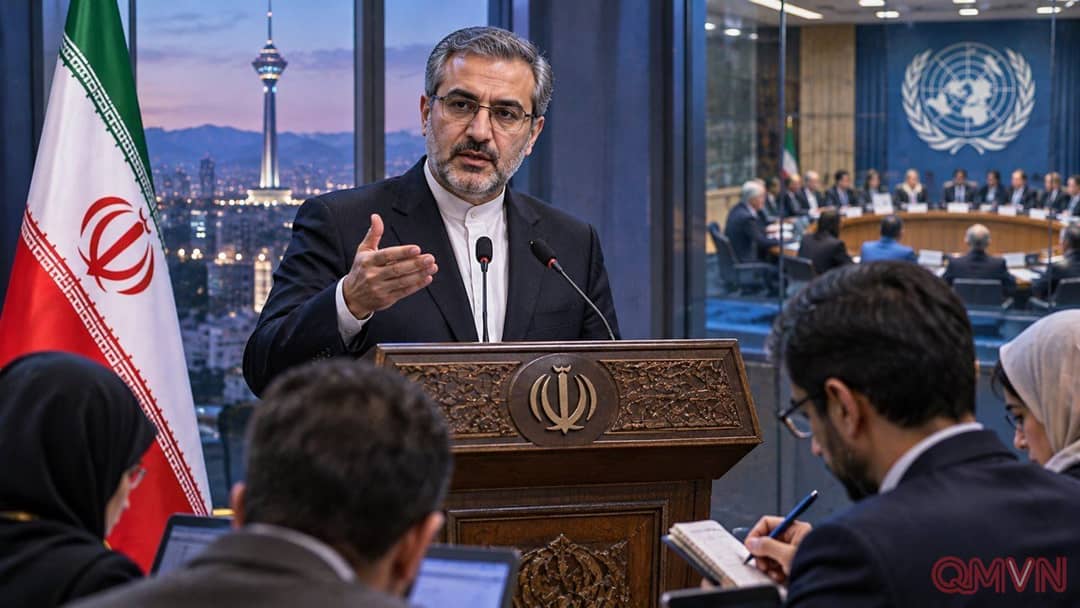
Iranian Foreign Ministry spokesperson Esmaeil Baqaei rejected the allegation in a post on X. He argued that Washington had moved from warnings about Iran’s nuclear ambitions to a new narrative about banned weapons. Tehran sees the accusations as potentially useful to those arguing for further military action. That argument describes the Iranian government’s position; it should not be mistaken for an independently established account of US motives.
Why the memory of Iraq matters
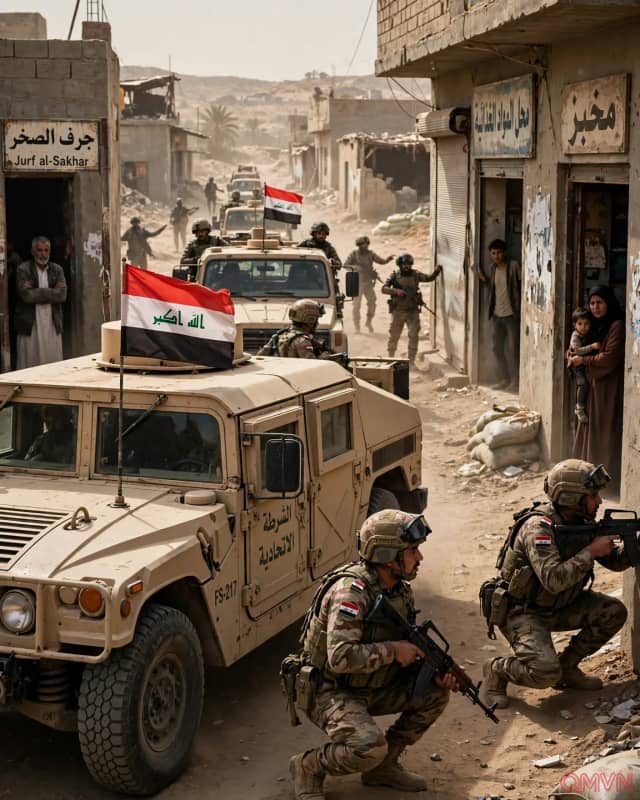
Baqaei invoked the February 2003 appearance by US Secretary of State Colin Powell before the United Nations Security Council. Powell presented intelligence claims about Iraq’s weapons of mass destruction in the months before the US-led invasion.