MAIN CONTENT
A generation of fans on the move
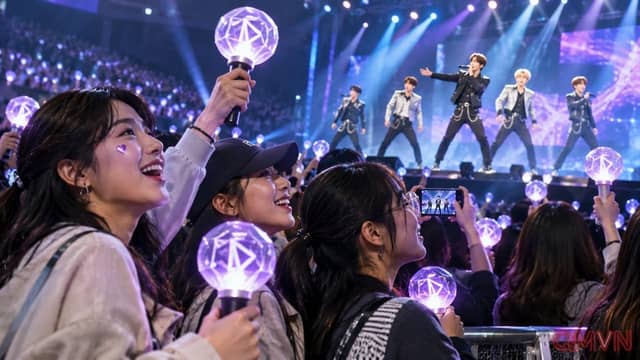
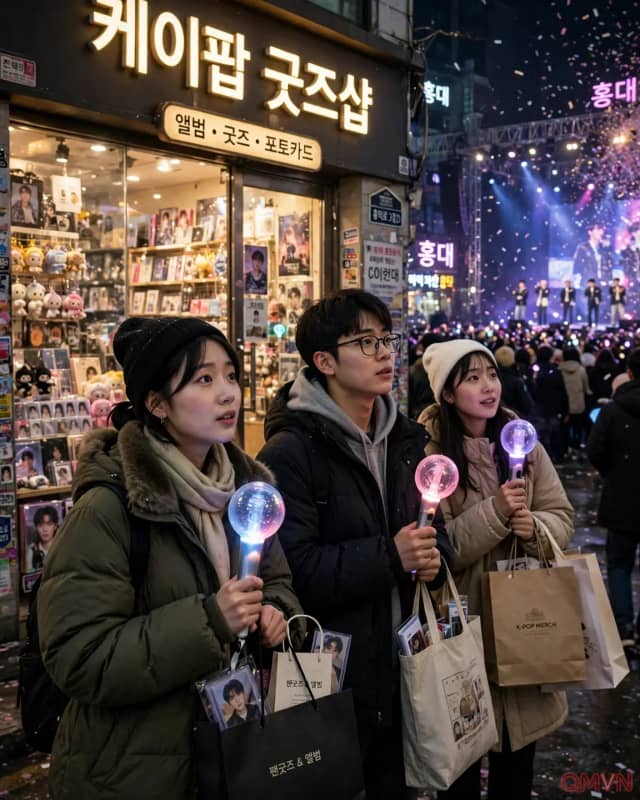
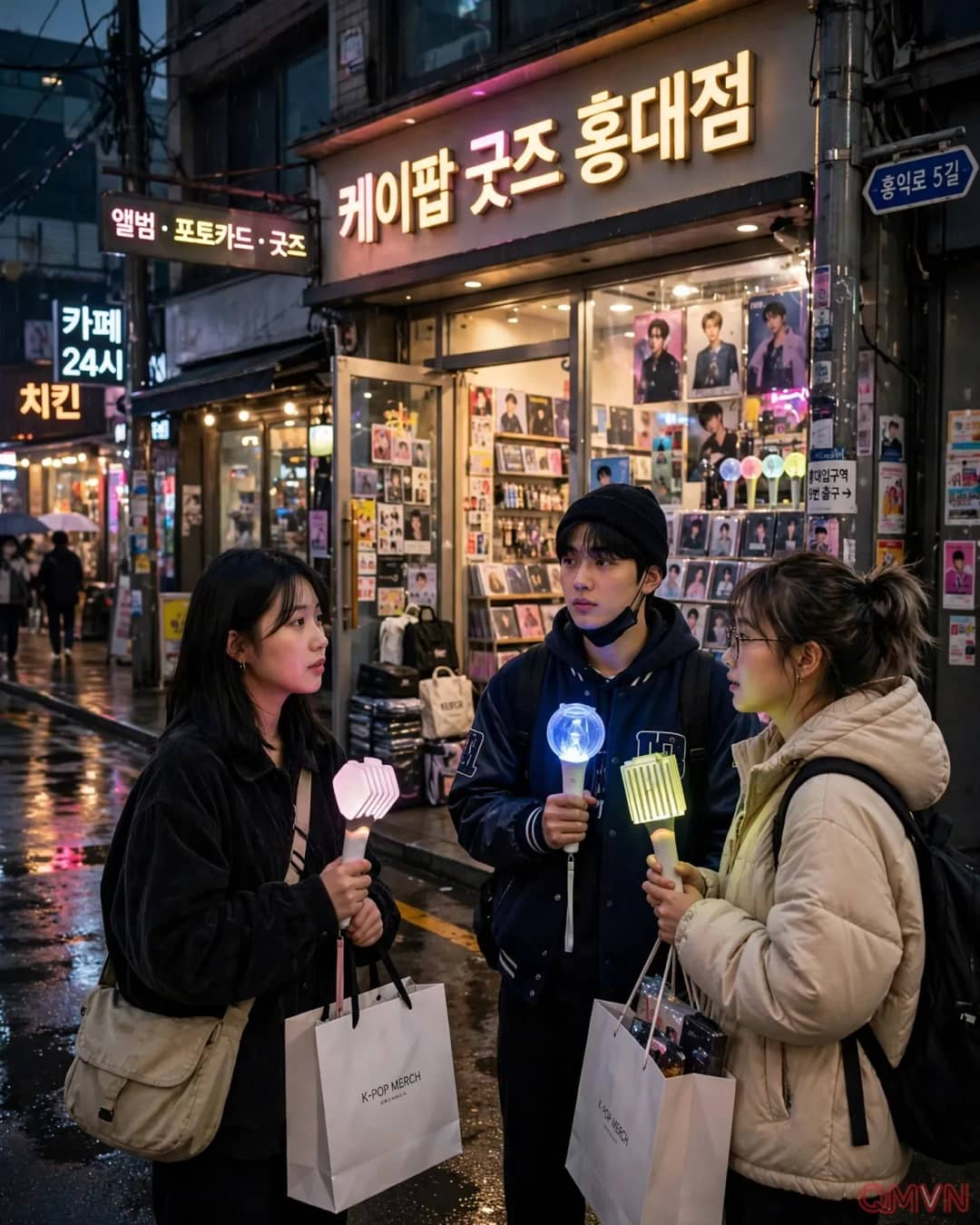
For Alice Chen, a university student from Nanjing, following the group Riize has meant six trips to South Korea in recent years, financed through part-time work, according to the South China Morning Post on November 25. Her experience illustrates the economic burden that borders impose on a cultural passion. A ticket is only one expense; transport, accommodation and time away from study or work can make a concert inaccessible to many others.
“If K-pop concerts can take place in China again, it would make our lives much easier.” — Alice Chen
The possibility of domestic performances is therefore about more than convenience. It could broaden access beyond affluent travellers and generate business for local venues, hospitality providers and event workers. Hong Kong concerts, such as the Big Bang tour mentioned in the original report, demonstrate that demand exists without establishing that the mainland market has reopened.
A trade agreement is not a concert licence
Reuters reported on November 18 that the Shenzhen talks produced progress on bilateral trade in services and investment. Yonhap subsequently noted that music was not explicitly included in the relevant most-favoured-nation commitments, unlike films and games.