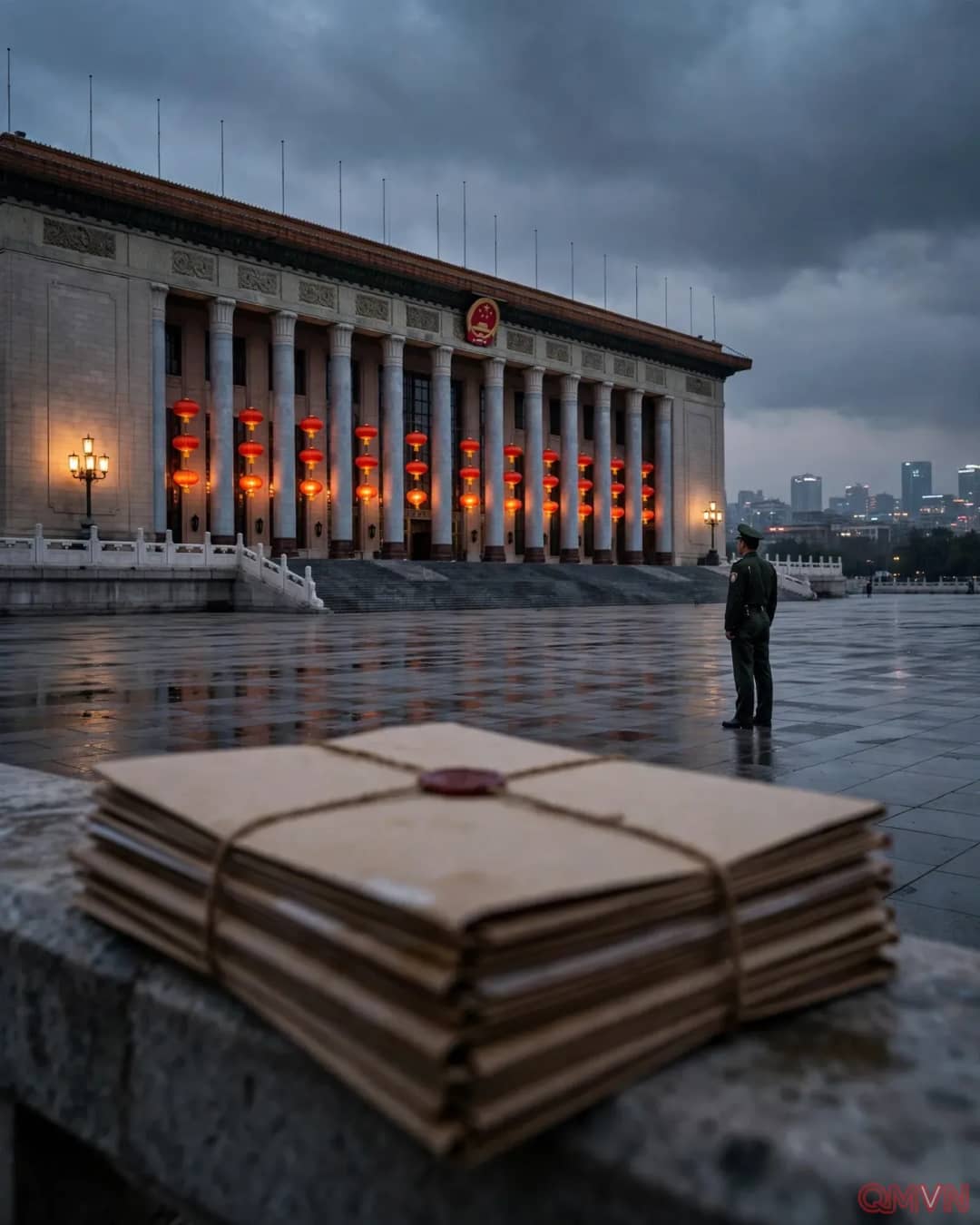
A familiar recruitment script
According to the State Secrets Protection post, "Kailin" initially said she wanted to learn Chinese. As their relationship grew closer, she gradually shifted their conversations to politically sensitive subjects and international affairs, then persuaded Ma to provide information about the personnel and operations of a Chinese institution in the host country.
She later introduced him to her "colleagues" and threatened to inform the Chinese government unless he agreed to become their agent.
Ma signed a pledge of loyalty. The authorities did not say in which country he was posted, nor the woman's nationality.
The price of betrayal
According to prosecutors, after returning to China, Ma continued to send classified documents in exchange for a fixed monthly income, plus bonuses whenever he supplied key material:
- Nine documents classified as state secrets and 26 classified as confidential were passed on.
- In total he received more than $150,000.
- The authorities said the classified intelligence documents he sent numbered in the hundreds.
The death sentence shows how seriously Beijing treats espionage, especially when the offender is a state official with access to sensitive information.
Deterrence through disclosure
The post ended with a stern warning, urging Chinese citizens to stay vigilant in their social and personal lives, adhere strictly to workplace discipline and guard against being targeted, manipulated or exploited by hostile actors. Recounting each step of Ma's downfall is seen as a cautionary tale for civil servants, especially those posted overseas.
The approach fits a trend among China's security agencies in recent years: actively using social media to tell spy stories in order to raise public security awareness.
Security reaches young people too
In 2023, China broadened its counter-espionage law, defining espionage to cover not only state secrets but any "documents, data, materials or items related to national security and interests", without setting out specific criteria. Foreign businesses and scholars have voiced concern about the vagueness of these rules.
Earlier this year, the Ministry of State Security even warned that young Chinese were being led by foreign forces towards a "lying flat" lifestyle, abandoning hard work and putting personal feelings above national development. This shows how China's notion of security is expanding into ideology and social life.