Eleven days of reversal
On November 12, Nvidia announced that Jensen Huang, who co-founded the company and led it for more than three decades, had resigned from all his positions, effective immediately. Chief financial officer Colette Kress was named interim CEO. Five days later, board chair Harvey Jones said the company did not intend to bring Huang back, even though Huang himself had signaled he would be willing to return if asked.
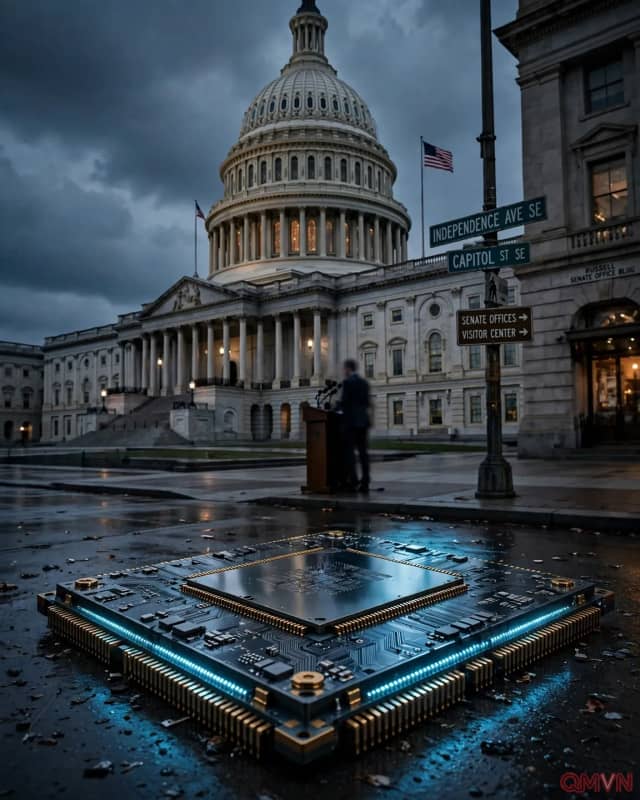
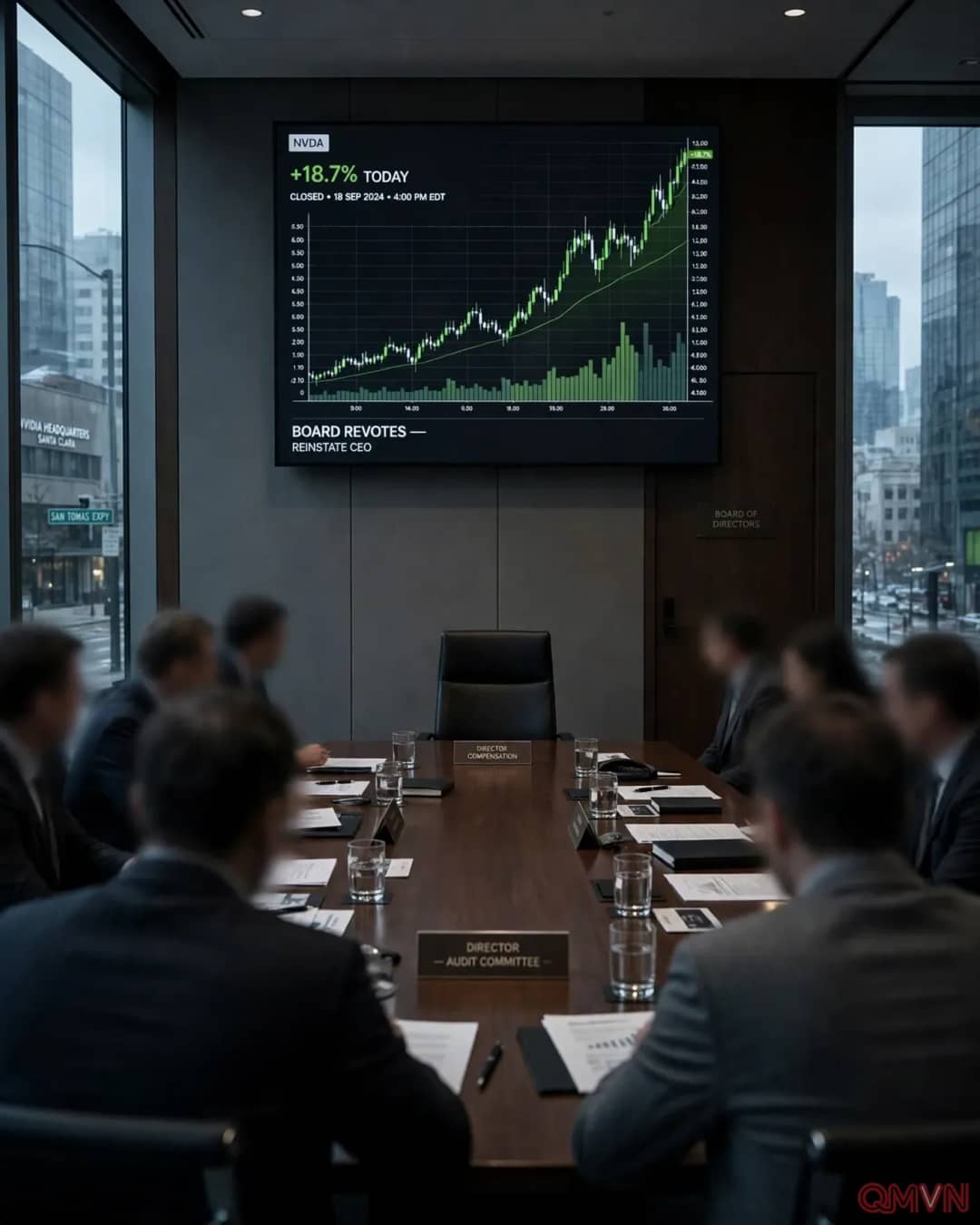
Then the script flipped. On November 23, the board said it had voted unanimously to restore Huang as president, CEO and director. Nvidia said it had received input from senior levels of the US government and was confident his return posed no national security risk. According to PBS, Trump had pressed for the move as late as Sunday night, while Vice President JD Vance reportedly lobbied board members. Huang, for his part, said he would take up the role again with humility and renewed resolve.
*“I believe my intervention was very important.” — Donald Trump*
A board on trial over its independence
For many institutional shareholders, the issue is not Huang’s talent but how the board reached its decision. New York City Comptroller Mark Levine, who helps manage pension funds holding some 5 million Nvidia shares, told Reuters the board had made a complete about-face without explanation, and without showing that legal concerns had been resolved.