MAIN CONTENT
A financial landmark in the line of fire
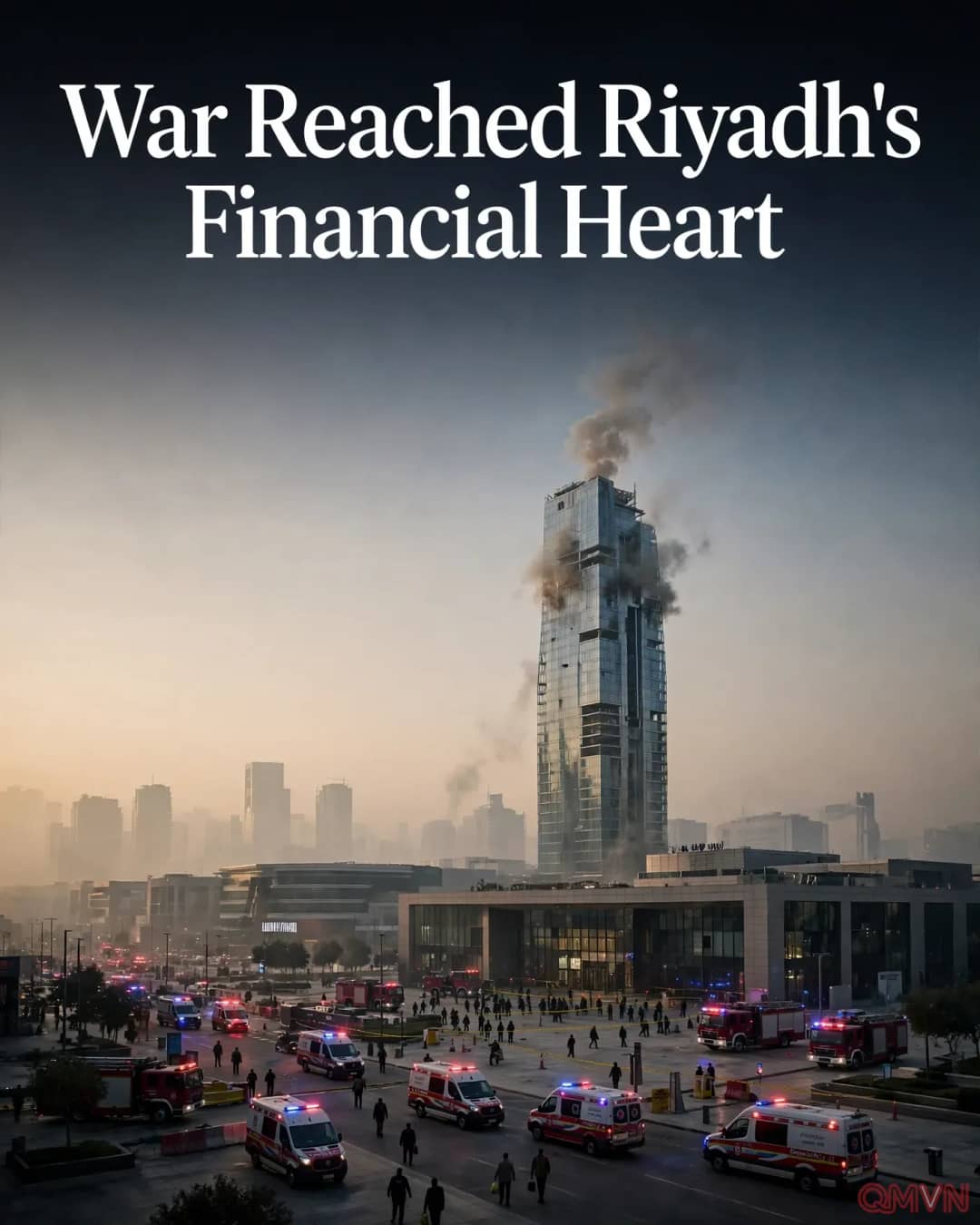
The affected tower is associated with the Public Investment Fund, an important vehicle for Saudi investment and development. King Abdullah Financial District represents the kingdom’s efforts to attract companies, capital and expertise. When such a prominent site is damaged, the consequences extend beyond a repair bill: safety procedures, employees’ routines and institutional confidence also come under scrutiny.
Reuters reported emergency vehicles, evacuations and closed access points. The coalition attributed the threat to the Houthis and reported damage from falling debris. Three sources said an incoming Houthi missile hit the building. Initial reporting did not independently establish every aspect of the projectile’s trajectory or a definitive damage assessment; the absence of immediate casualty reports should not be mistaken for a final accounting.
A repeated disruption to urban life
On November 8, an earlier strike damaged a building used by oil company Aramco in the same financial district. A second incident within two weeks suggests that businesses and officials must assess how to maintain ordinary operations during security alerts.
Evacuation planning, emergency communications and continuity measures matter most when risks extend into populated commercial neighborhoods.
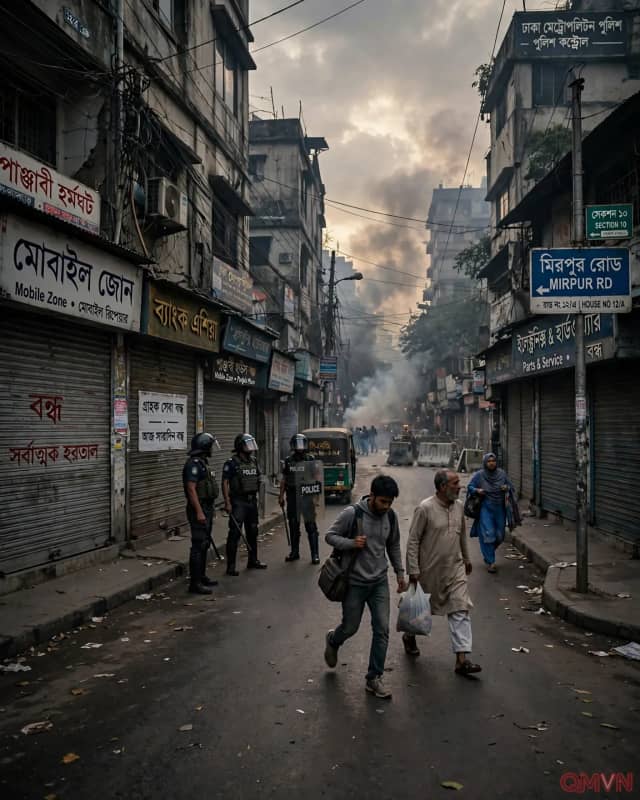
The broader economic effects cannot yet be calculated. Damage to a signature office tower does not by itself establish an investment exodus, but repeated disruptions can shape perceptions of stability. Behind the financial symbolism are workers, emergency responders and residents whose well-being is the first practical concern. That human dimension is central to understanding why even an incident without confirmed casualties demands attention.
Yemen’s war reaches beyond its borders
Saudi Arabia entered Yemen’s war at the head of a coalition in 2015, supporting the internationally recognized government after the Houthis seized Sanaa. A 2022 truce reduced fighting for years, but the conflict intensified again in 2026 amid the wider US-Iran confrontation. Reuters has reported Houthi gains along Yemen’s Red Sea coast and pressure on the Saudi-backed government.
The Bab el-Mandeb Strait makes developments in Yemen relevant to global shipping and energy markets. Fighting near transport chokepoints can bring higher insurance expenses and disrupted maritime routes. Claims about battlefield control remain subject to changing conditions, but the strategic connection is clear: the safety of Riyadh and the security of regional trade corridors now feature in the same crisis.
The difficult road from deterrence to dialogue
Saudi officials have reportedly considered a campaign lasting well into 2027 and want allied forces to improve their positions before negotiations. Crown Prince Mohammed bin Salman met US Central Command chief Admiral Brad Cooper as the kingdom confronted the competing demands of deterrence, domestic security and a negotiated outcome.
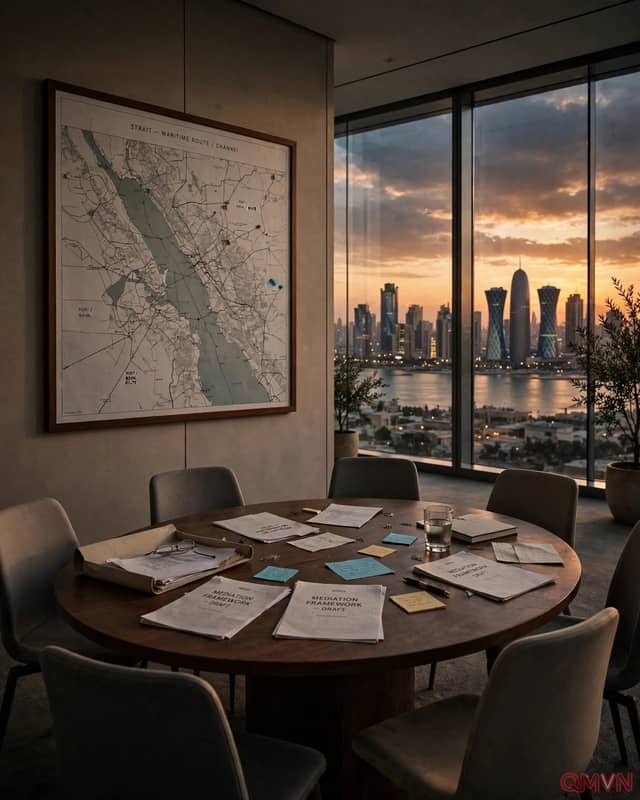
Qatar-mediated efforts in the wider conflict have not yet produced a reported breakthrough. Military defenses may reduce immediate threats, but cannot alone settle Yemen’s internal political divisions or the regional rivalries surrounding it. For business leaders and ordinary families alike, the essential measure of progress will be the return of predictable, safe daily life.