MAIN CONTENT
A school day abruptly transformed
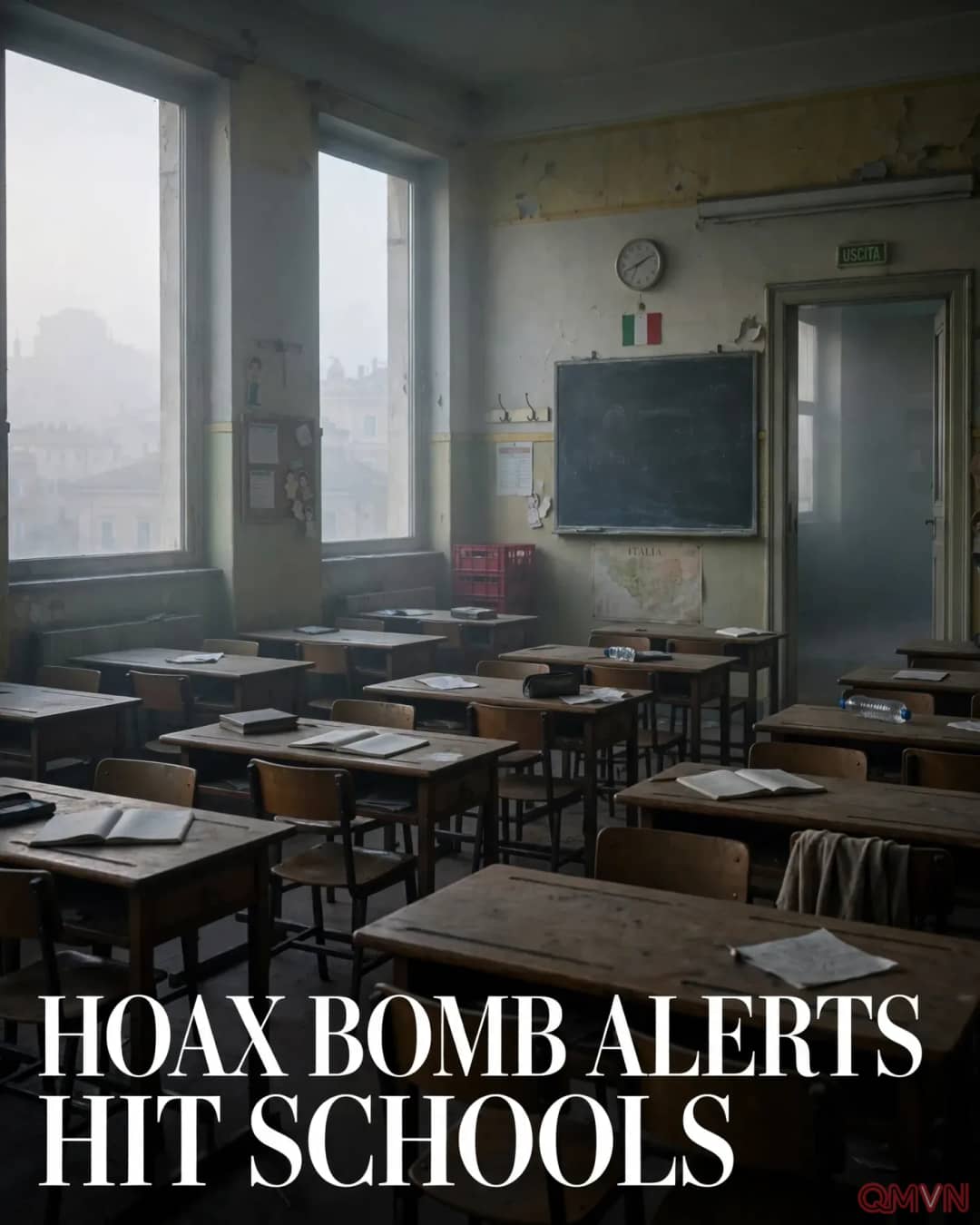
The alarm reached Italian schools by email and rapidly became a logistical emergency. Classrooms emptied, staff accounted for pupils and police inspected buildings. The reported number of affected schools rose beyond 300 as education authorities gathered information from different cities. AP reported 312 evacuations, while Italian officials said the running total was evolving. The precise number matters less than the breadth of a disruption spanning many communities at once.
At a school in Rome, parents received assurances through messaging applications that their children had been moved to safe locations under teachers' supervision. Some adults left their workplaces to collect pupils who had expected an ordinary day of lessons. Nensi Bego, a parent quoted by Reuters, described her daughter as distressed by an event the children could not understand. Even when an alleged explosive device does not exist, the fear caused by its suggestion is real.
The response illustrates a difficult duty for headteachers. Ignoring a warning before it is assessed could endanger a school; evacuating automatically gives the sender the disruption they appear to seek. Decisions depend on the credibility of available information, police instructions, local conditions and the age of the students. No universally safe shortcut can replace that judgment.