MAIN CONTENT
A command change at a difficult moment
The decree reported by Saudi state media moved Lieutenant General Fahd bin Hamad Al-Salman from command of the coalition’s joint forces to a role advising the defence minister on military affairs. General Fayyad Al-Ruwaili will assume the additional command while retaining his position as chief of the general staff. It is a significant redistribution of responsibility at a time when the coalition is confronting setbacks rather than announcing new territorial gains. The announcement did not set out an operational plan, and an immediate official explanation connecting the decision to a particular battle was not available.
Two Western diplomats cited by Reuters associated the personnel change with recent events on the ground. That assessment is important but should not be confused with a formal Saudi account of the king’s decision. A change of commander can improve coordination or signal political impatience, yet it does not by itself repair fractured alliances or supply lines. The immediate test will be whether Saudi-backed formations can defend their remaining positions without turning Aden’s civilian neighbourhoods into another front line.
Why the southern coastline matters
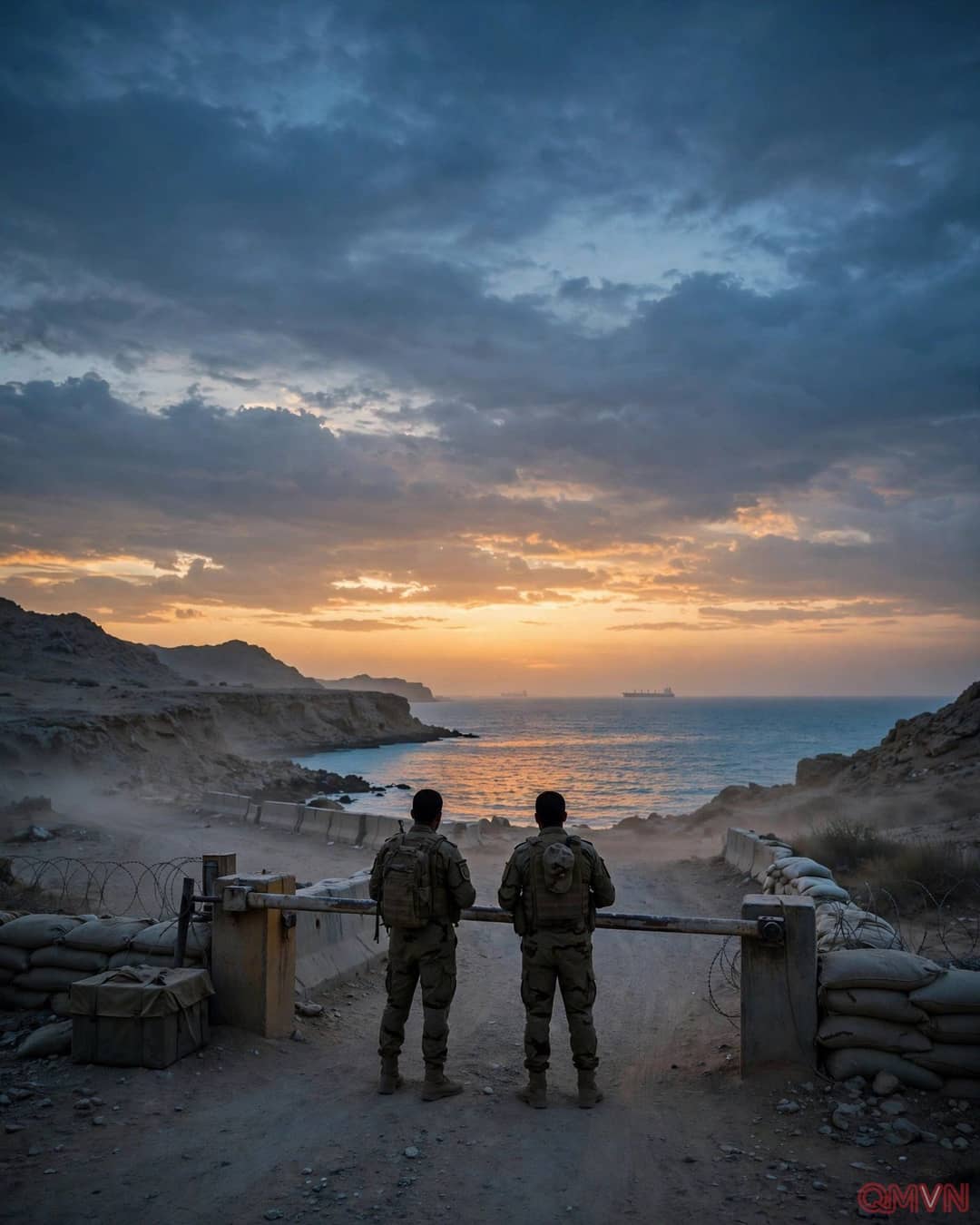
The immediate trigger for concern is the withdrawal announced by Yemen’s internationally recognised government on November 15 from positions near Bab el-Mandeb. The authorities said they would concentrate on defending Aden, their principal seat of operations, rather than continue holding exposed coastal territory.