From plaything to source of fear
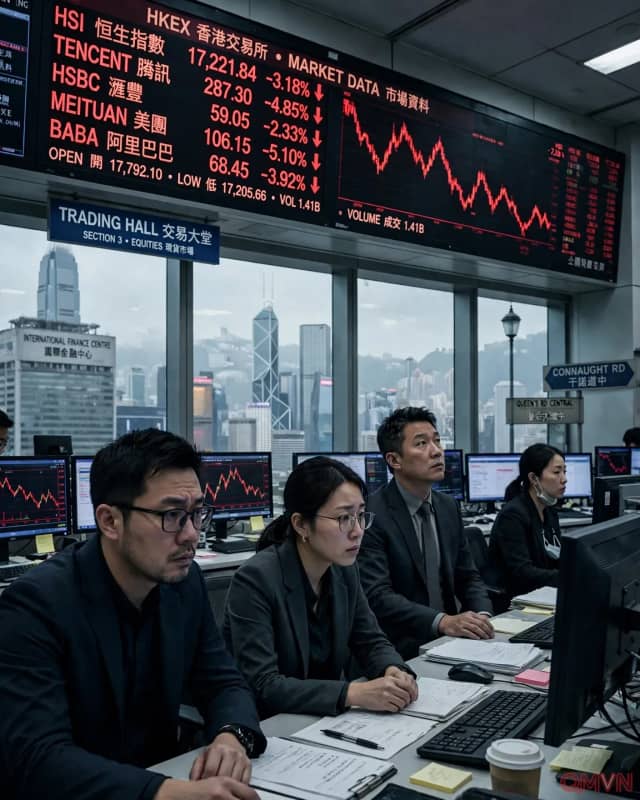
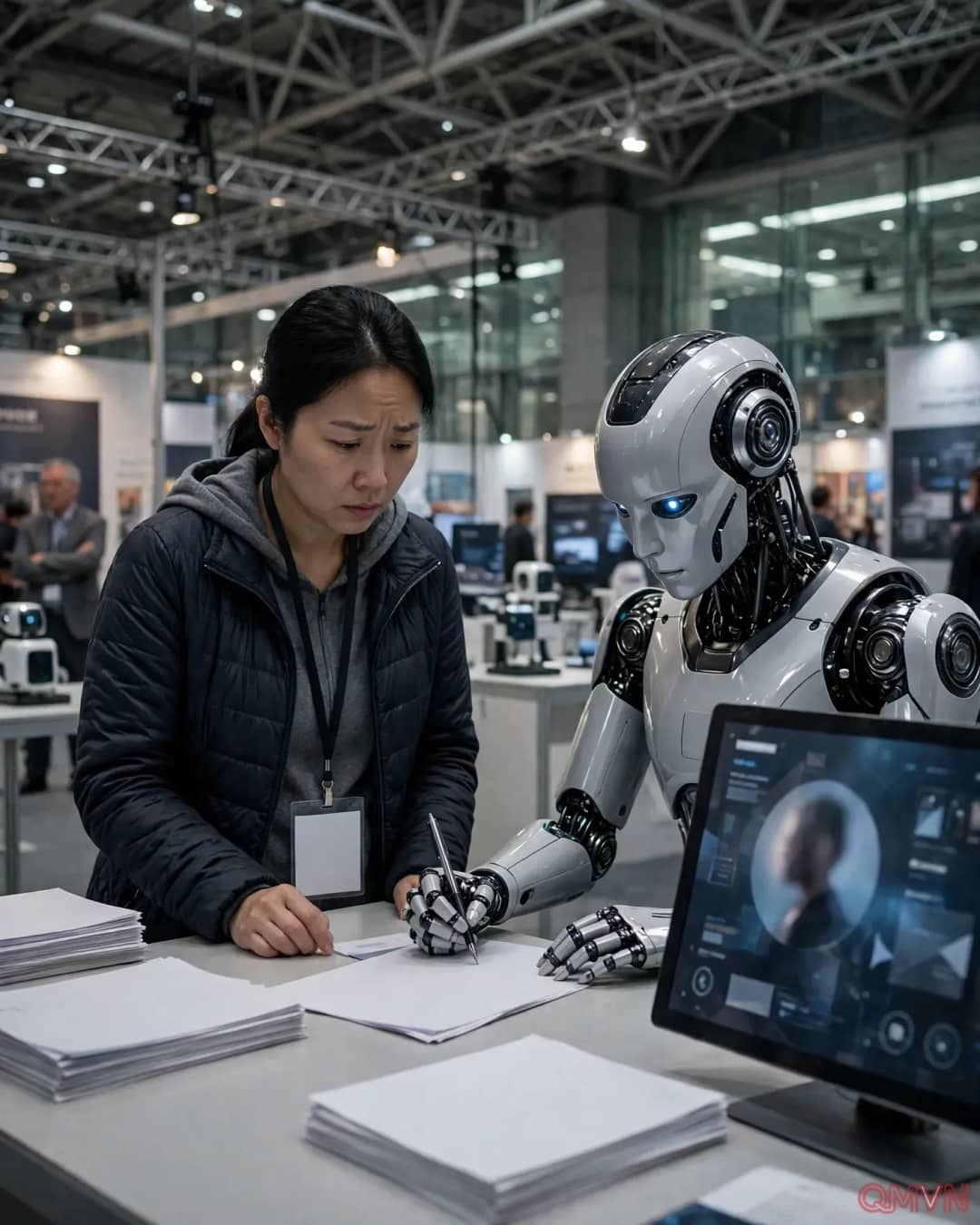
Au traces how public attitudes toward AI have shifted at remarkable speed. At first, many people treated it as a toy, asking it to write poems or organise calendars and sharing its amusing mistakes. Then it became something to believe in, a cure for drudgery and perhaps the start of a new industrial revolution. Now, he observes, it has become something to fear, as governments draft strategies, companies reorganise and investors pour money into infrastructure, without much agreement about the destination.
“A warning can be self-serving without being wrong.” — Adam Au
Au notes the irony that some of the loudest warnings about AI come from the companies doing most to advance it, whose businesses benefit from ever more capable products. That conflict of interest is worth noting, he argues, but it does not invalidate their concerns. For Hong Kong, the more useful question is what companies and institutions should actually do, rather than simply importing someone else’s framing of the problem along with overseas tools.
Hong Kong’s competitive anxiety
The city’s sensitivity to the AI race came into focus when the Hong Kong Monetary Authority questioned HSBC, Hong Kong’s biggest lender, about its plan to establish a global AI centre of excellence in Singapore and hire more than 100 AI specialists there. HSBC later said it would double its AI specialist team in Hong Kong from 150 to 300 over the next two to three years and launch an AI institute in the city next year.