When loved ones must be dug up
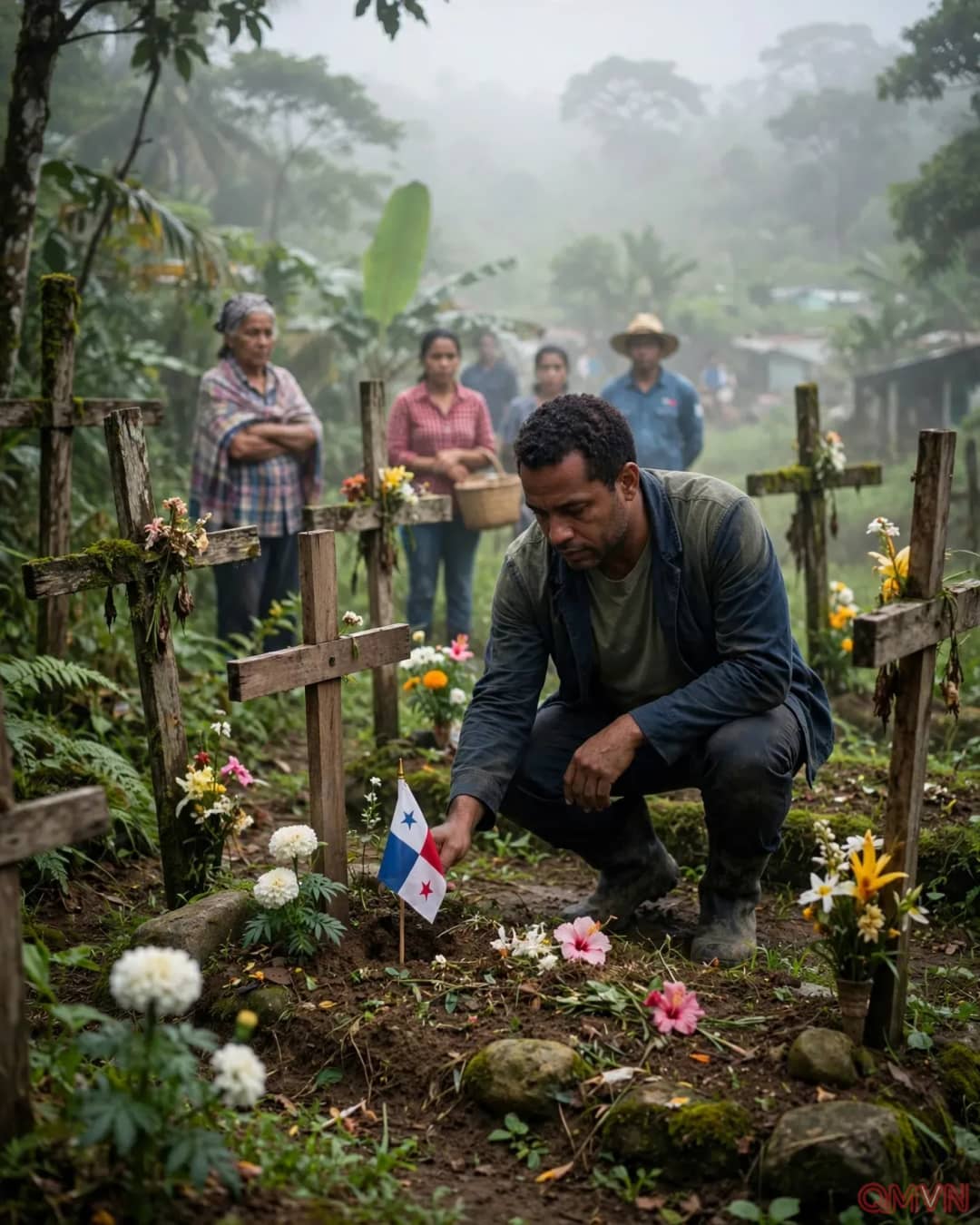
Fifteen years ago, when 27-year-old Maricel Sánchez’s family buried her grandmother, she never imagined one day having to dig her up. El Limón cemetery in the town of Limón de Chagres, where her relatives lie, is one of eight in the flood zone to be exhumed. A government decree ended burials there in July; the other seven cemeteries will stop accepting burials in January 2027.
*“When they dig them up again, you re-live that pain all over again.” — Maricel Sánchez*
The ACP says the relocation of remains will be coordinated in advance with families, respecting religious beliefs, cultural sensitivities and emotional ties, with local authorities covering all costs, from new coffins or urns to headstones. But many residents say there is no humane way to carry out an exhumation, especially on ancestral land where more than five generations are buried.
Why the canal needs a new reservoir
According to the ACP, the autonomous government agency that runs the canal, the Río Indio reservoir is essential to keep the waterway functioning as central Panama becomes more drought-prone. The project’s key points: