MAIN ARTICLE
A negotiated entry, not yet a final settlement
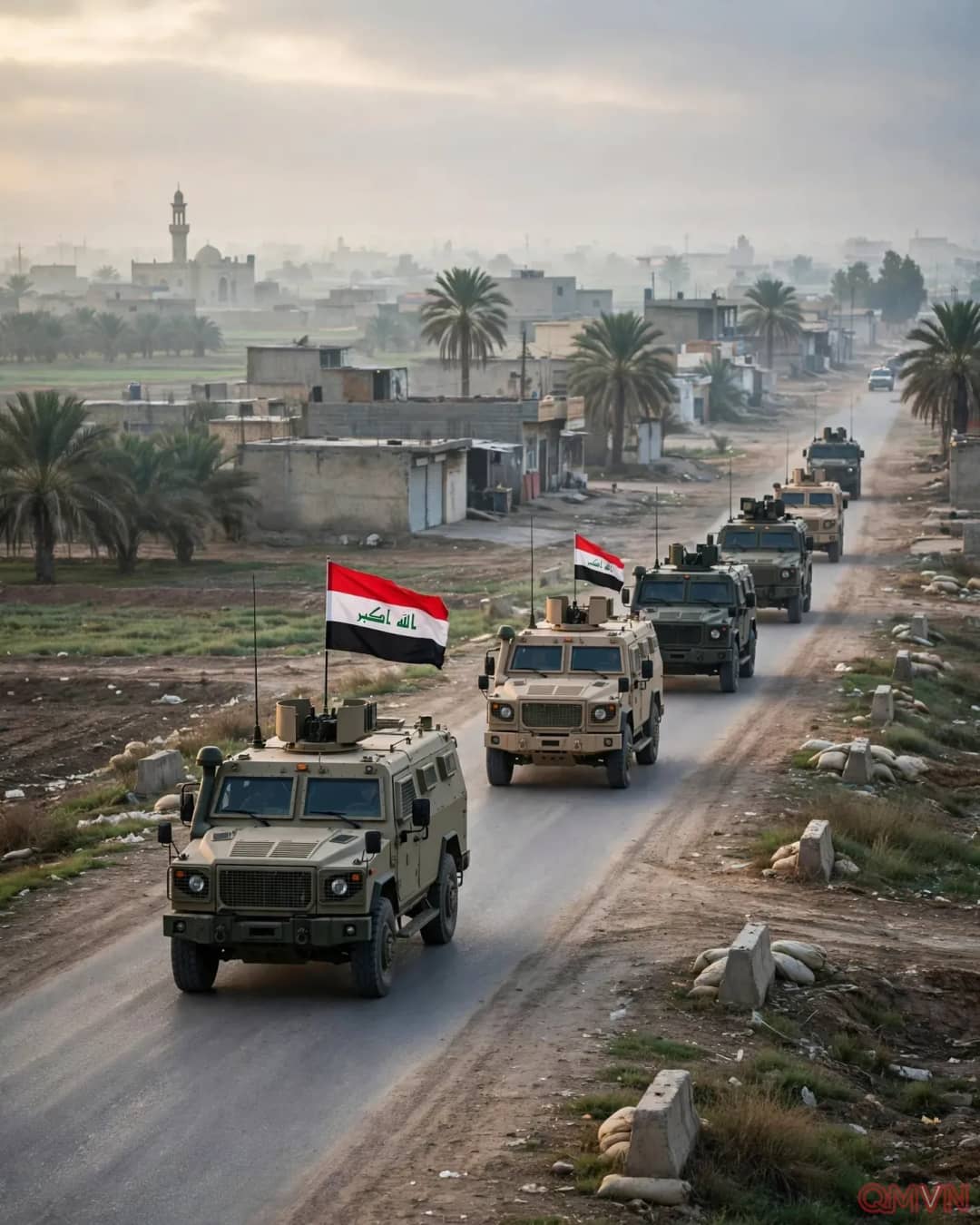
Military vehicles bearing Iraqi flags entered Jurf al-Sakhar on Friday, and soldiers took positions in the town. Government officials described the operation as the beginning of a broader effort to ensure that state agencies, rather than independent armed networks, determine security arrangements. A joint security headquarters was planned for the following day. Reuters reported that members of Kataib Hezbollah were expected to relocate elsewhere under the compromise, while Associated Press said the deployment also involved elements of the Popular Mobilization Forces, an umbrella organization formally integrated into Iraq's security architecture.
That distinction matters. An orderly arrival can prevent immediate bloodshed without resolving questions about command, weapons or influence. The announcement did not demonstrate the full departure of all faction members or the surrender of their arsenals. For Baghdad, success will be measured less by images of convoys than by whether police, courts and public agencies can operate independently and sustain access to the area after the initial deployment.
Oil-smuggling allegations raise the stakes
Iraqi officials have accused a network operating in and around Jurf al-Sakhar of siphoning state-owned oil, potentially depriving the public treasury of hundreds of millions of dollars. Nine senior security and oil officials have reportedly been dismissed following an investigation, and energy police moved to protect a pipeline.