MAIN CONTENT
A warning directed at a possible negotiating table
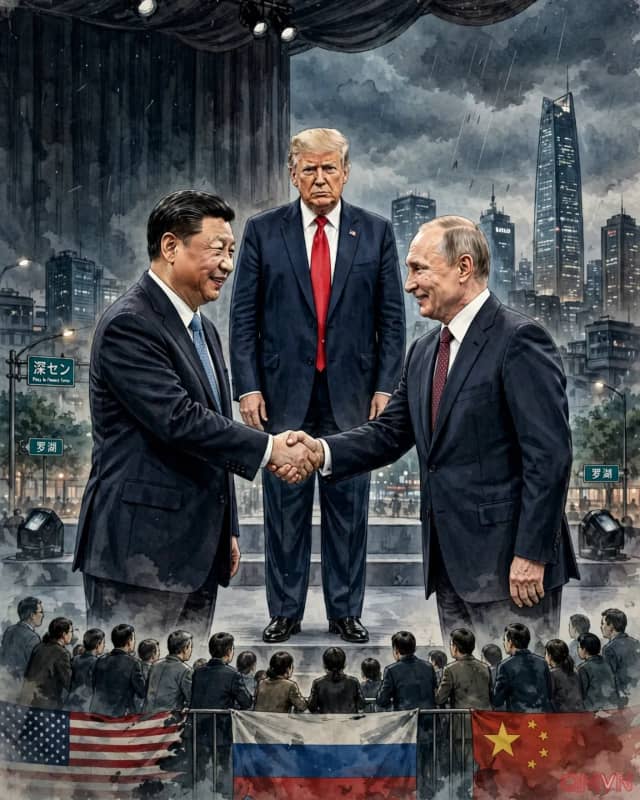
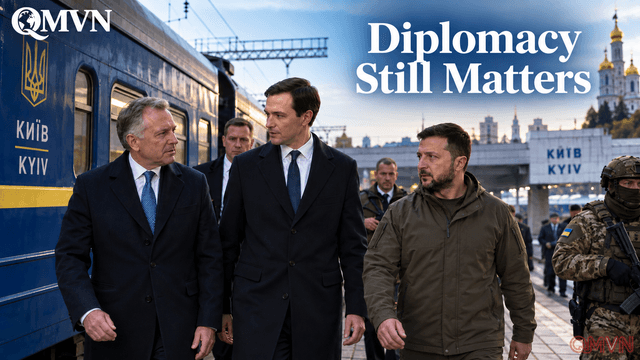
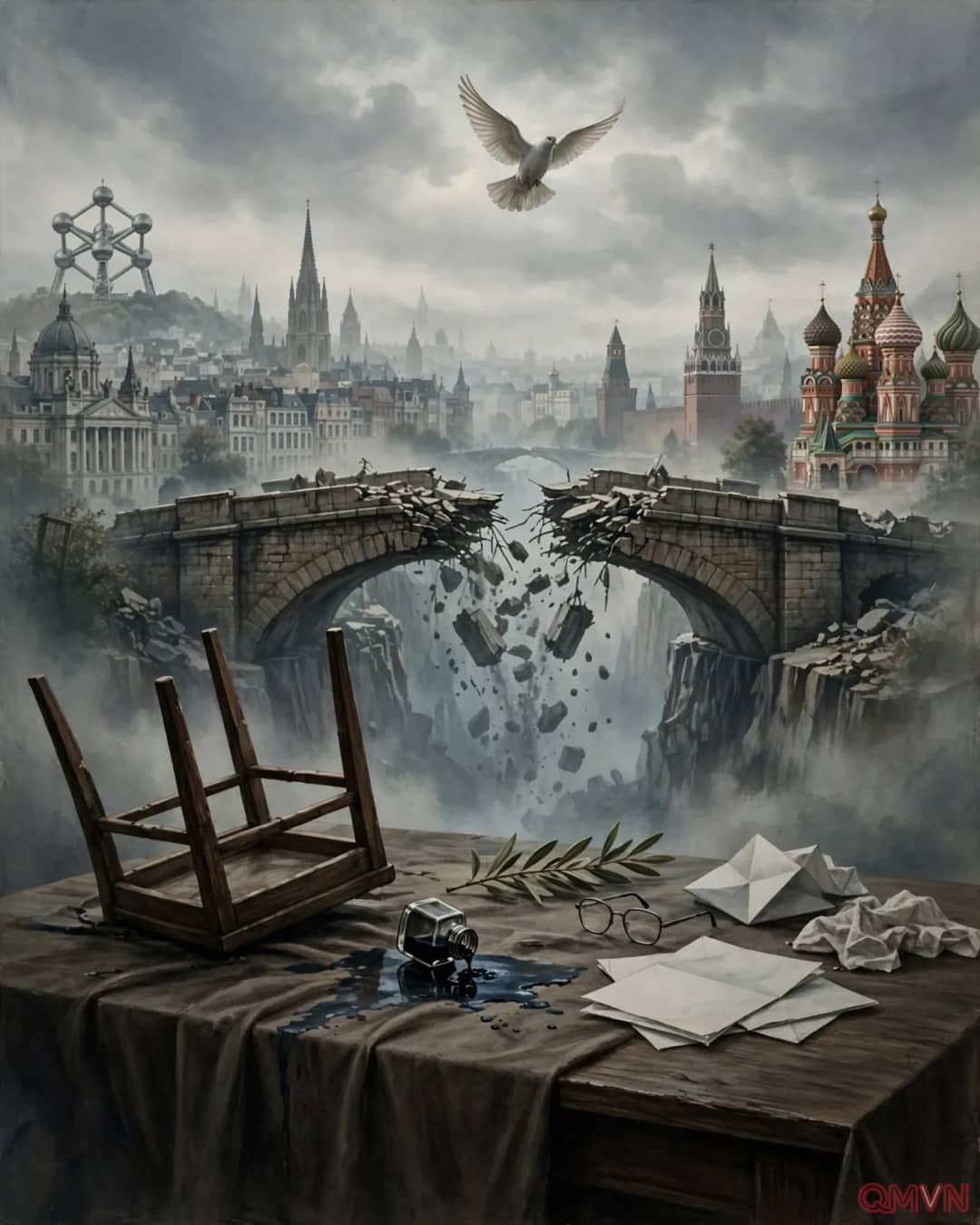
Zakharova told journalists on Friday that Kallas's presence in talks with Moscow would, in Russia's view, derail peace efforts. She cited previous remarks by the former Estonian prime minister as evidence of an adversarial outlook. Her assessment was a statement of the Russian government's position, not an independently established conclusion about how any prospective negotiation would unfold. According to Reuters, the remarks came as European governments sought a place in a US-mediated process involving Russia and Ukraine.
Kallas has taken the opposite position on the question of representation. She said this month that Russia does not determine whom the EU sends and that she speaks institutionally for all 27 member states, rather than as an individual with a personal dispute. The disagreement is consequential because it shifts attention away from ceasefire terms and security guarantees toward the preliminary issue of who may sit in the room. A negotiating process can become blocked over procedure long before the substance is settled.
Europe seeks a collective voice without losing national influence
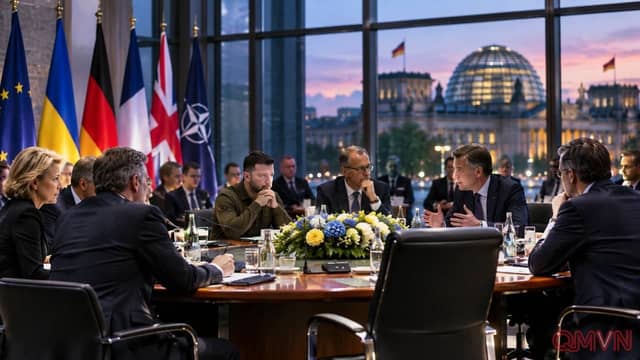
After discussions in Dublin on November 12–13, European leaders settled on a framework that includes five major European military powers—Britain, France, Germany, Italy and Poland—together with EU institutions. Britain is not an EU member, illustrating that the envisioned group is meant to reflect Europe's broader security interests rather than Brussels alone.
Reporting by The Guardian and Euronews has described continuing debate over how prominent Kallas herself should be within that arrangement.
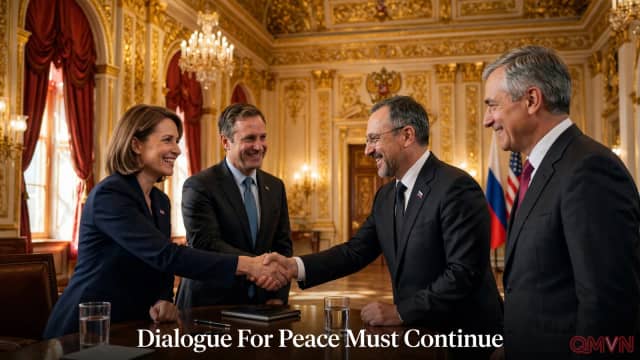
For EU governments, the stakes extend beyond diplomatic protocol. Any eventual settlement could affect European sanctions, reconstruction finance, military support, border security and guarantees intended to deter a renewed invasion. National leaders want their interests heard, while EU officials argue that common decisions require a credible institutional voice. Yet an expanded delegation could also complicate coordination unless participating governments agree on a clear mandate and priorities before facing Russian negotiators.
The deeper argument concerns the order of peace and security
Kallas has repeatedly insisted on a sequence: first a ceasefire that ends attacks on civilians, then negotiations over peace, and only afterward a wider debate about Europe's security architecture. In public remarks issued by the European External Action Service on November 12 and 13, she cautioned against allowing expansive discussions about European security arrangements to distract from the immediate fighting in Ukraine. Her approach places Ukraine's sovereignty and the cessation of hostilities at the front of the agenda.
Moscow has signalled interest in a broader conversation on security arrangements and in testing European positions before deciding the format of further contacts. Putin said on Thursday that European envoys had been invited to clarify their views in Russia, while Deputy Foreign Minister Sergei Ryabkov said a possible visit involving representatives of Britain, Germany and France was being explored. Those indications point to diplomatic openings, but an invitation or exploratory contact is not a negotiated breakthrough—and the parties remain far apart on fundamental questions.
What the dispute means for Ukraine and the wider region
Ukraine's participation and consent are indispensable to a durable settlement concerning its territory and security. European governments, for their part, face practical obligations that would outlast any signing ceremony, from financing rebuilding to sustaining defensive commitments. If Europe cannot agree internally on a unified position, its influence may be weakened even if its representatives formally attend. Conversely, a coherent mandate could help connect commitments made at the table with the resources needed to implement them.
The latest clash therefore should not be mistaken for proof that diplomacy is finished. It exposes the fragile architecture around talks that have not yet settled the composition of all participants, let alone the conditions of peace. A useful test will be whether proposed visits lead to defined channels, whether Europe articulates common priorities, and whether any negotiating format preserves Ukraine's agency. Until then, statements about who is welcome reveal bargaining positions more clearly than they predict outcomes.