MAIN CONTENT
A game once excluded becomes a public event
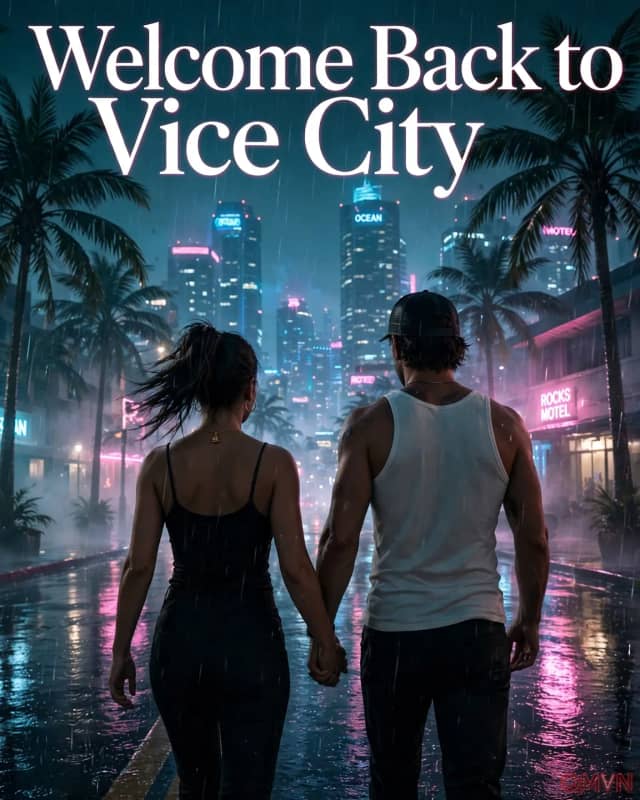
The contrast is visible in shopping malls and gaming rooms across Riyadh. Promotions for Grand Theft Auto VI appear where advertising for the franchise would once have been difficult to imagine. Its fictional Vice City, inspired by Miami, features crime, violence and adult characters whose depiction can still jar with conservative expectations. The decision to allow an age-restricted game does not erase those differences; it signals that regulators are increasingly willing to manage them rather than impose a complete ban.
For content creator Thamer al Dairem, who spoke to Reuters while playing the new release, the legal availability of a formerly banned title carries emotional weight. He also distinguishes the game’s fictional American setting from everyday Saudi life. That distinction matters: consumers can engage with foreign popular culture without assuming that the society portrayed on a screen represents their own. The change is not simply in what can be purchased, but in the space permitted for individual entertainment choices.
A sovereign fund follows the global audience
The commercial story reaches far beyond a single title. According to LSEG data cited by Reuters, PIF’s holding in Take-Two Interactive is worth more than $2 billion. Earlier in 2026, the fund transferred its position to a subsidiary as it reorganized gaming assets.
A consortium including PIF, Silver Lake and Affinity Partners also completed a roughly $55 billion acquisition of Electronic Arts in August, expanding Saudi-linked exposure to some of the world’s best-known games and franchises.
The kingdom is seeking a position across the industry, not merely a share of sales at launch. Games involve software, storytelling, distribution, competitions, marketing and digital communities that can create enduring business ecosystems. Reuters also reported discussions involving PIF and potential investors in Unity Software, although talks are not a completed transaction. Such ambitions carry conventional investment risks: expensive acquisitions must eventually produce returns, while popular titles face unpredictable development costs, changing consumer habits and intense competition.
Vision 2030 meets an imperfect cultural compromise
Crown Prince Mohammed bin Salman has publicly described gaming as a way to relax. Under Vision 2030, state-backed investment in entertainment is presented as part of a wider effort to reduce reliance on hydrocarbon revenues and build new sources of employment. For a country with a large youthful audience, games can also be a channel for technical training and creative work, provided spending translates into local capabilities rather than remaining concentrated in foreign shareholdings.
There is an unavoidable tension between greater openness in consumer entertainment and continuing debates over expression and public freedoms. Relaxing a game restriction is a measurable policy change, not proof that all cultural or political boundaries have disappeared. Supporters emphasize more choices for residents and economic diversification; critics may ask who benefits from state-directed expansion, how content rules are applied and whether public capital would generate broader returns elsewhere. Both dimensions belong in any assessment of the kingdom’s transformation.
Why this launch matters beyond Saudi Arabia
The release of Grand Theft Auto VI shows how global entertainment can test national rules while attracting sovereign wealth. In Saudi Arabia, the same franchise has moved from restricted product to lawful consumer experience and indirect object of state investment. That progression is unusual, but it also reflects the growing importance of interactive media in diplomacy, finance and cultural identity. A game can be a commodity, a cultural lightning rod and an investment asset simultaneously.
Whether this becomes a lasting economic success depends on more than the reception of one blockbuster. Local studios, skilled workers, sustainable business models and clear regulatory standards will be better measures of long-term change. The story is therefore neither a simple triumph of liberalization nor merely an investment headline. It is an illustration of how governments negotiate the distance between inherited social expectations and the global industries they hope to join.