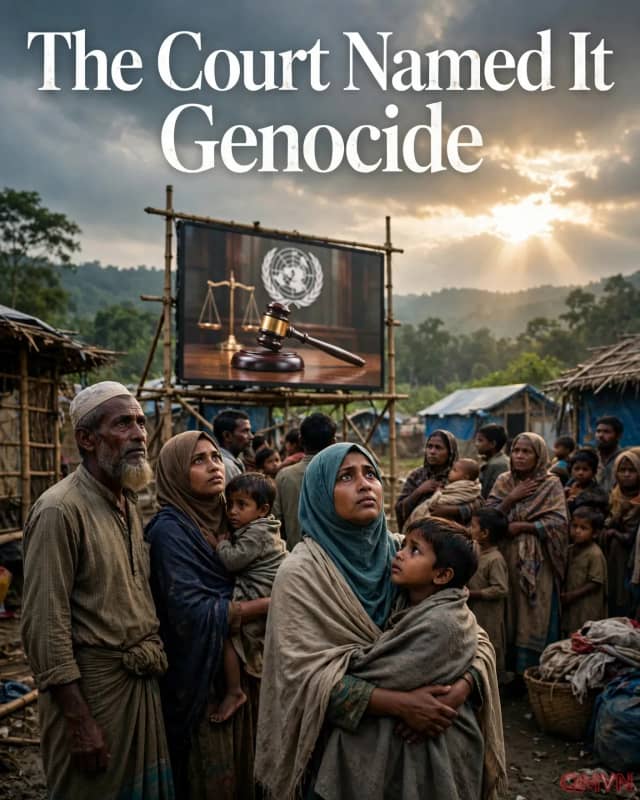
A historic ruling in The Hague
The International Court of Justice found that Myanmar had violated the Genocide Convention on multiple grounds stemming from its armed forces’ mistreatment of the Muslim Rohingya minority. The judges also found that Myanmar had failed in its obligation to prevent genocide and ordered it to facilitate the return of Rohingya refugees and pay unspecified reparations.
The judgment handed a major legal victory to Gambia, which brought the case seven years ago on behalf of Muslim-majority countries. The court also adopted conclusions from UN fact-finding reports, including one stating that mass deaths and rapes showed genocidal intent. Myanmar had defended its military’s actions as a legitimate response to an insurgency.
The ICJ has never before found that a state committed genocide. The legal bar is extremely high, but what this case shows is that it is surmountable.
A precedent on genocidal intent
Proving genocide is notoriously difficult because it requires establishing an “intent to destroy, in whole or in part, a national, ethnical, racial or religious group, as such.” According to Israeli legal scholar Yuval Shany, the court maintained the requirement that genocidal intent be the “only reasonable inference,” but expanded the contextual factors it can consider beyond a pattern of conduct, to include the scale and systematic nature of acts and the history of persecution.