MAIN ARTICLE
Why the wage demand has gathered force
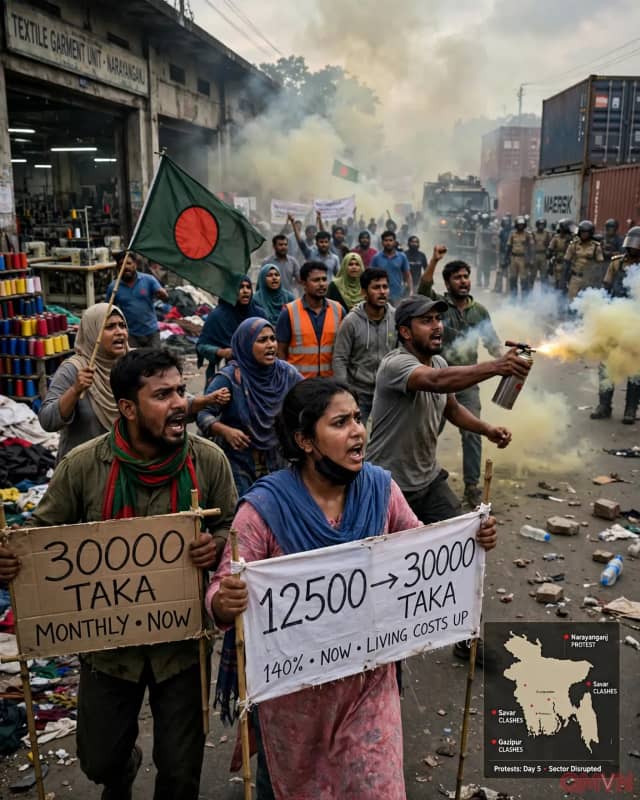
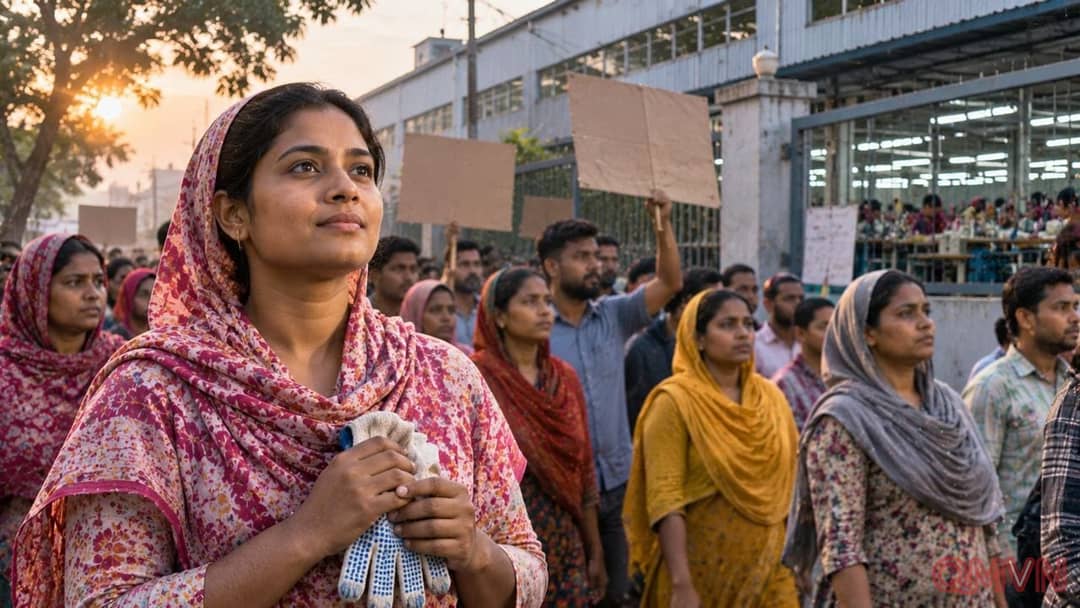
In the industrial belts around Dhaka, the argument is about far more than a line on a payslip. Workers describe dividing their income among rent, food, transport and medical bills. The minimum wage of 12,500 taka, adopted following an increase in 2023, has offered decreasing reassurance as household costs have risen. A demand for 30,000 taka has become a rallying point for broader worries about secure employment and meaningful representation.
On October 31, workers in Ashulia stopped work and assembled outside factories. Local police reported that about 30 factories there suspended operations. Marches and road blockades also affected Mirpur and Gazipur. Some Bangladeshi news organizations reported larger numbers of closures across all affected industrial areas; those estimates cover different locations and observation times and should not be mistaken for one verified national total.
Tensions escalated at some sites into stone-throwing and confrontations. Police used tear gas and sound grenades to disperse crowds, and injuries were reported among protesters and officers. These incidents require scrutiny in their own right, without treating the actions of some individuals as a characterization of everyone demonstrating peacefully.