MAIN ARTICLE
A declaration delivered in prime time
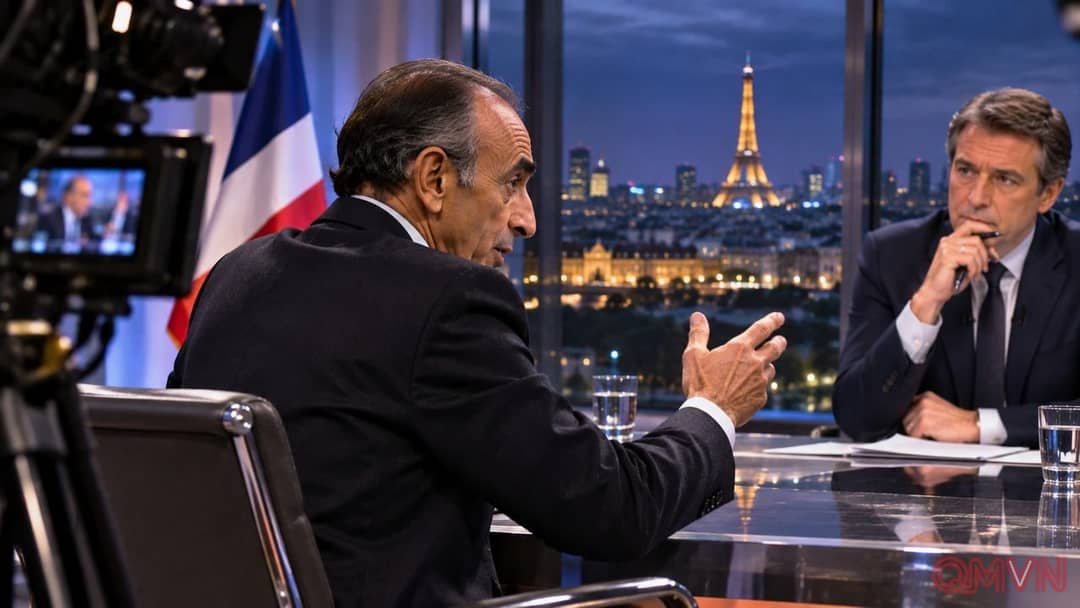
Asked directly by presenter Gilles Bouleau whether he would contest the 2027 election, Zemmour said that he would. The appearance on TF1 resolved an ambiguity left by a September 17 interview on BFMTV, when he had indicated an intention to run but stopped short of a conventional formal launch. He explained his decision by arguing that the other potential candidates and their programmes would not reverse what he considers the country’s decline. His announcement was therefore both a personal declaration and an attempt to reclaim a place in a crowded political discussion.
Immigration remains his principal policy marker. During the interview, he advocated a reduction of two million in France’s immigrant population over a presidential term and discussed removing some foreign residents who have been unemployed for an extended period, including people with legal status. These are campaign proposals rather than enacted measures. Their legality, practical implementation, economic consequences and implications for individual rights would require careful scrutiny. In France, as elsewhere, a headline figure can be politically powerful without answering the administrative questions that make a policy possible.
His appeal to preserve what he calls a distinctly French future draws on a longstanding emphasis on national identity and cultural assimilation. Supporters credit him with forcing uncomfortable subjects into public debate; critics argue that his framing risks excluding minority communities and sharpening divisions in a plural society. The argument consequently reaches beyond one candidate’s political prospects. It concerns who is included in the national story, which fears are legitimately addressed by government, and how far democratic persuasion can go without undermining the rights of others.