MAIN CONTENT
From experimental drones to battlefield capability
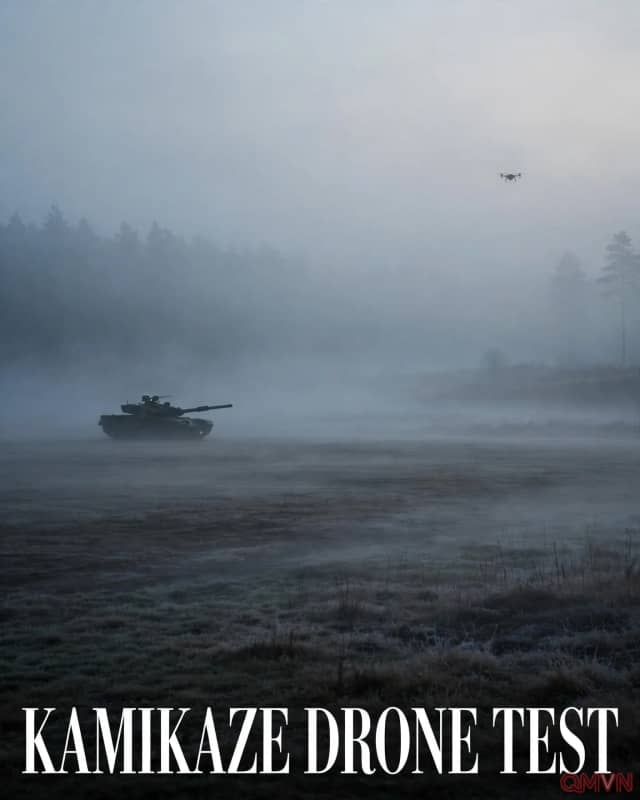
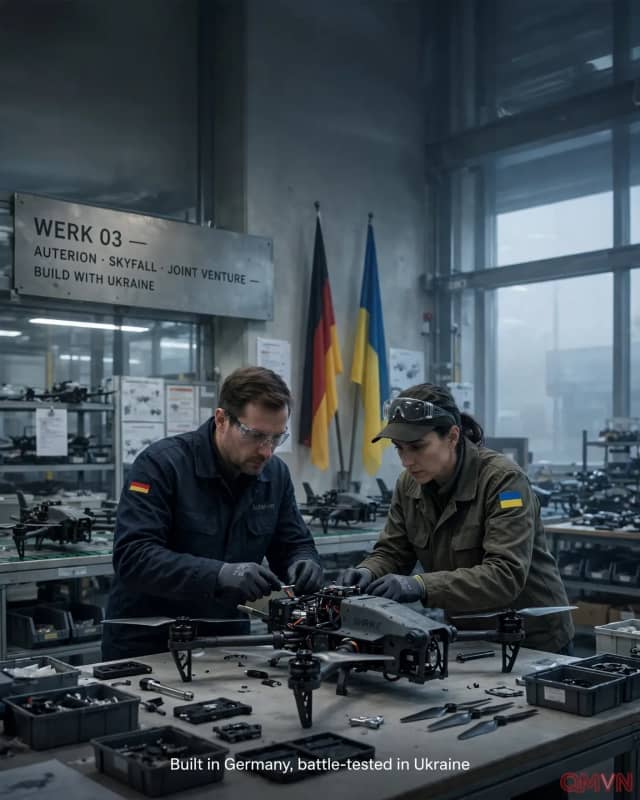
The weapons tested at Rudninkai are known as loitering munitions. They can remain airborne while an area is monitored, then descend towards a selected target. Reuters reported that German defence companies Helsing and Stark supplied the systems used against tanks during the exercise, with non-explosive warheads fitted for the trial. Their performance in a controlled exercise does not, by itself, demonstrate complete operational readiness.
Germany approved procurement of such weapons in 2025 after years of controversy. Defense News reported that Helsing’s HX-2 and Stark’s Virtus passed live-fire tests earlier in November 2026, clearing another stage towards initial deliveries and training. But practical combat effectiveness depends on more than accuracy: troops need reliable command links, maintenance, realistic training, safeguards against electronic interference and a clear understanding of when the weapons may be used.
Clarity and the question of human judgment
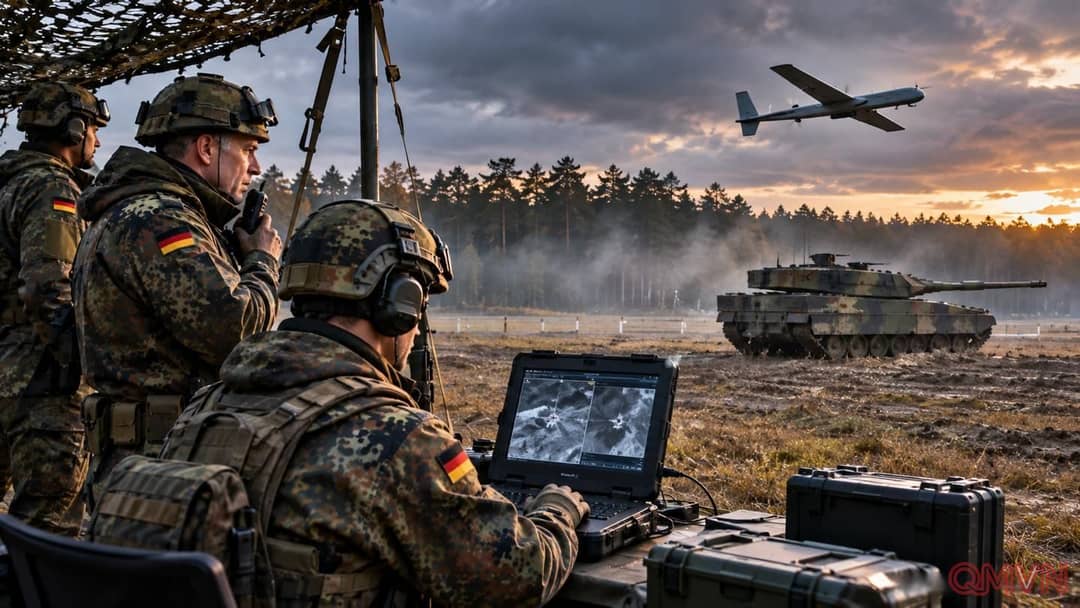
At the same training area, German personnel evaluated Clarity, an AI-enabled intelligence and targeting-support platform developed by Helsing. The system brings together satellite imagery, drone feeds and other sensor information, helping officers sift through large volumes of material and identify possible actions.