MAIN ARTICLE
A European alternative takes shape
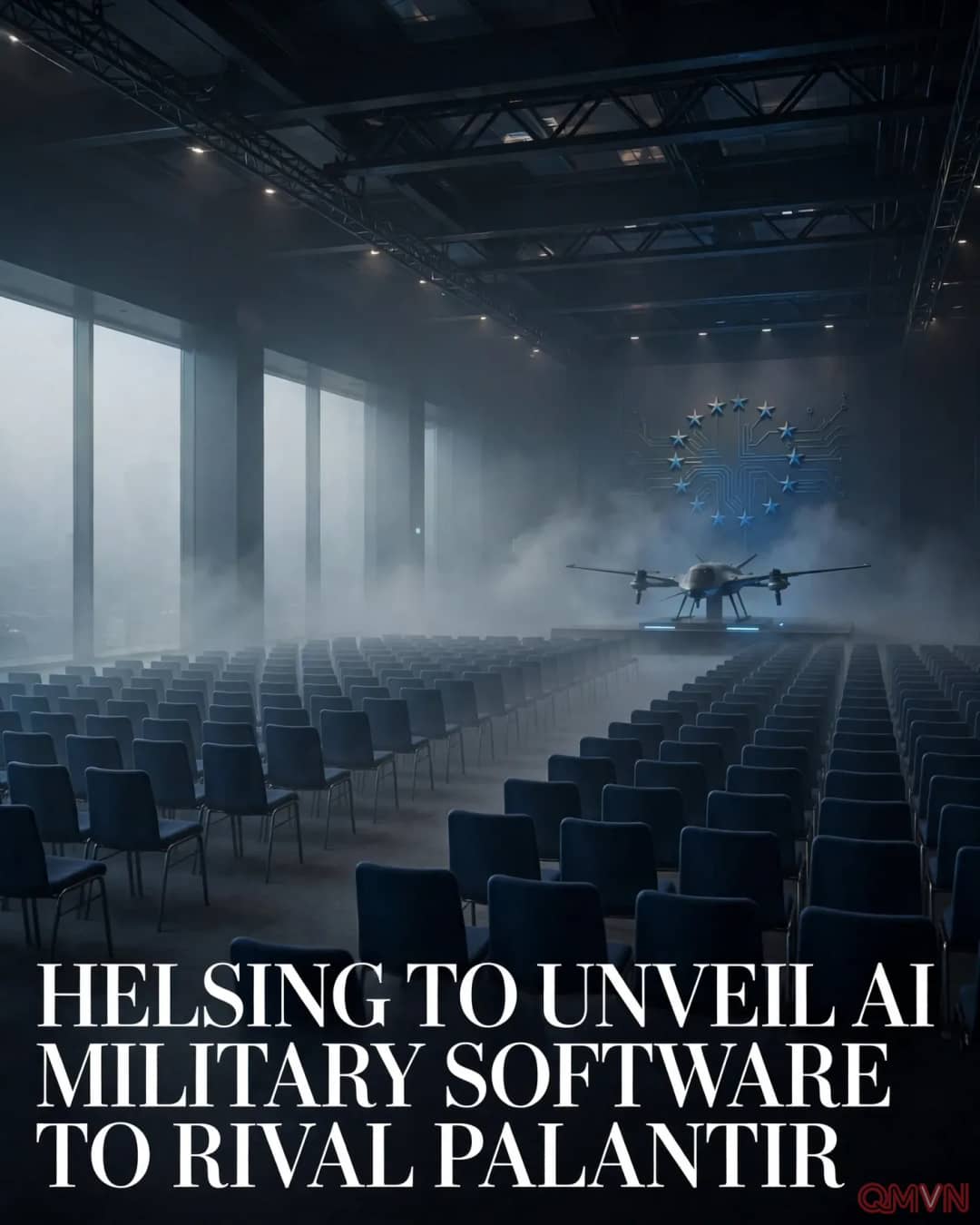
Helsing’s upcoming demonstration reflects a shift in the European defence market: software is becoming as strategically important as weapons platforms. Battlefield networks connect sensors, commanders and vehicles, but their value depends on making sense of information quickly. A tool capable of bringing scattered feeds into a coherent picture could help staff recognize patterns and communicate decisions with less delay. None of this makes the technology infallible, or establishes how accurately Helsing’s new product will perform under combat conditions.
In the invitation to its Berlin event, Helsing framed the ambition in terms of European autonomy and the ability to perform reconnaissance and act precisely without unwanted dependencies. The statement is a corporate pitch, not an independent evaluation. Reuters reported on November 10 that the presentation is intended to position the German firm against established American suppliers, particularly Palantir, whose Maven Smart System is used by the United States, NATO commands and several allied militaries.
Germany’s choice remains open. Its armed forces have been considering roughly 30 AI tools, predominantly from German companies, according to a September account of comments by Vice Admiral Thomas Daum. He envisaged a prototype in the second quarter of 2027 and wider deployment in 2028. Officials have indicated that buying Palantir’s Maven is not currently in their plans, but the procurement and integration process still needs to establish what works, at what price and under whose control.